WHAT YOU NEED TO KNOW
- Abdul El-Sayed told CNN he would work with Republicans if they advanced priorities including Medicare For All.
- El-Sayed called Vice President JD Vance a “coward” while criticizing his statement about the Iran war.
- Kate Bolduan confronted El-Sayed with voters’ concerns about his support for the Jewish community.
- El-Sayed defended his opposition to Israel aid by citing American tax dollars and Palestinian children.
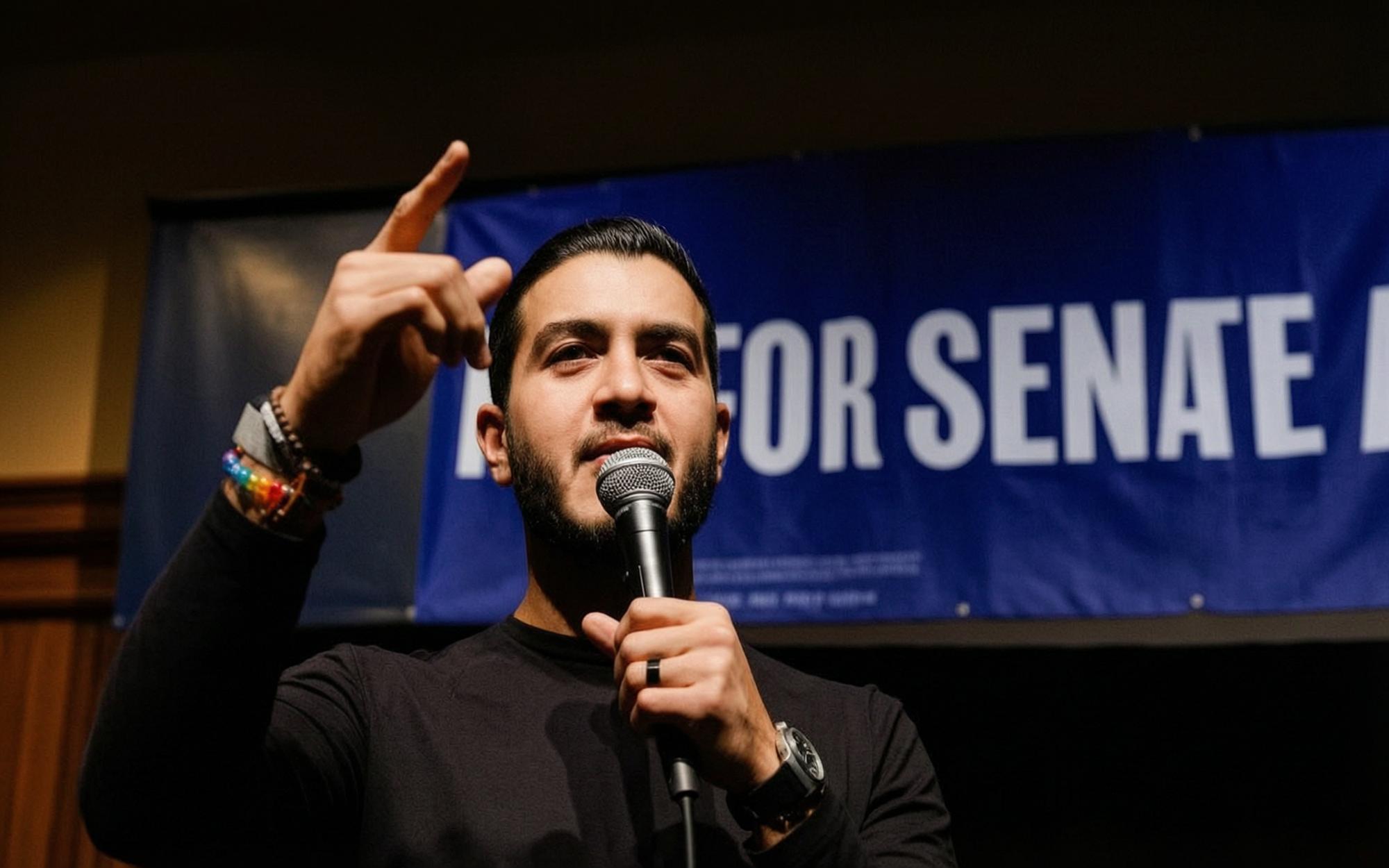
Michigan Democrat Abdul El-Sayed returned to the media circuit after Tuesday’s election delivered a national shellacking to Republicans. The incoming senator sat down with CNN host Kate Bolduan on Thursday and offered plenty of material while discussing how he plans to operate in Congress, as reported by Red State.
In an earlier portion of the interview, El-Sayed addressed whom he wants to serve as Senate majority leader in the incoming Congress. His answer made clear that Senate Minority Leader Chuck Schumer is not his choice.
Bolduan also asked about reaching across the aisle and working with Republicans, including Vice President JD Vance and President Trump. El-Sayed presented himself as willing to cooperate, but the conditions attached to that cooperation quickly became obvious.
MORE NEWS: Holocaust Survivor Eva Geller Succumbs to Bondi Beach Terror Wounds as Massacre Toll Hits 16 [WATCH]
“In his role as Vice President, if he's interested in advancing things that are going to get money out of politics, put money in pockets, pass Medicare For All, I'm looking forward to working together,” El-Sayed said. He also claimed he would “work with anybody.”
That version of working together appears to require Republicans to advance the political agenda El-Sayed already supports, including Medicare For All. Compromise, in this telling, seems to mean Republicans abandoning their own principles and embracing legislation from the far left.
El-Sayed then turned from his conditional offer of cooperation to his actual opinion of Trump and Vance. Discussing their “political roles,” he criticized “the ways that they behave outside of their actual roles as President and Vice President.”
“I find them odious, this path they've taken us down,” El-Sayed said. That assessment hardly sounded like the warm opening to bipartisan cooperation he had attempted to advertise moments earlier.
He also attacked Vance over the timing of the vice president’s statement about the Iran war following the midterm elections. “Eight months ago you should have spoke [sic] up,” El-Sayed said before branding Vance a “coward.”
After trading attacks during the campaign, Sen-Elect Abdul El-Sayed says he’s willing to work with VP Vance but also call Vance a “coward” https://t.co/psZLHQ7nWF
— Kate Bolduan (@KateBolduan) November 5, 2026
The most revealing portion came when Bolduan raised concerns from Democrat voters who said they could not support El-Sayed because of his close association with antisemites. One video featured a man who said he refused to “vote for hate.”
Bolduan asked what El-Sayed would say to constituents who told CNN on Election Day that they did not believe he supported the Jewish community and thought he promoted hate. It was a direct question rooted in the stated concerns of voters, but El-Sayed answered with a sweeping declaration about his own intentions.
El-Sayed said he is “for love and against hate. I understand how it feels to be dehumanized because of how you pray, and I want a Michigan where nobody feels that way.”
He attributed the “frustration” with his campaign to his “position on Israel.” From there, he argued against American tax dollars subsidizing the Israel Defense Forces while accusing the IDF of doing “the worst things to Palestinian children.”
El-Sayed maintained that his position comes from love, even as Bolduan’s question focused on voters who believed he did not support the Jewish community. Rather than directly resolve that concern, he redirected the discussion toward his opposition to American support for Israel.
The familiar appeal to children also surfaced as El-Sayed defended his stance. The argument allowed him to frame his opposition to funding for an American ally as a moral position while avoiding a straightforward reckoning with the accusations raised by his own future constituents.
His body language added another layer to the performance. During the response, El-Sayed either could not or would not look directly at Bolduan while she pressed him with basic questions about the concerns expressed by Michigan voters.
After trading attacks during the campaign, Sen-Elect Abdul El-Sayed says he’s willing to work with VP Vance but also call Vance a “coward” https://t.co/psZLHQ7nWF
— Kate Bolduan (@KateBolduan) November 5, 2026
El-Sayed’s CNN appearance ultimately displayed two carefully packaged versions of the same political routine. He promised to work with Republicans only if they pursued his preferred agenda, then answered concerns about hostility toward the Jewish community by insisting his position was really about love.
The incoming senator may have won his election, but the interview showed that the campaign spin is not slowing down. Even with voters openly explaining why they rejected him, El-Sayed responded by reframing their objections instead of squarely confronting them.
Join the Discussion
COMMENTS POLICY: We have no tolerance for messages of violence, racism, vulgarity, obscenity or other such discourteous behavior. Thank you for contributing to a respectful and useful online dialogue.