WHAT YOU NEED TO KNOW
- Flooding at Radford Army Ammunition Plant washed away toxic chemicals, with three containers still missing and more than 1,500 gallons leaked.
- America’s depleted interceptor and artillery inventories are driving increased production through aging Army ammunition facilities.
- Federal and state records show widespread environmental and safety violations across plants producing, testing, and storing munitions components.
- The Army says an $18 billion modernization effort prioritizes environmental compliance and workplace safety, but completion is not expected until 2038.
When Hurricane Helene swept up the East Coast in fall 2024, flooding damaged communities and bridges across parts of West Virginia, North Carolina, and Virginia. In Radford, Virginia, the New River crested at 31 feet and surged into the Radford Army Ammunition Plant.
Floodwaters tore through warehouse doors and washed away more than a dozen storage containers holding thousands of gallons of toxic chemicals. The missing materials included dibutyl phthalate, a rocket propellant component linked to cancer and reproductive problems, hundreds of gallons of diesel fuel, and more than 100,000 pounds of contaminated wastewater.
The Army did not warn residents until weeks later. Officials said they assumed the containers would sink and floodwaters would dilute leaking chemicals, but one container reached nearby land, three remain missing, and regulators found more than 1,500 gallons leaked into the environment.
Radford already had a troubled environmental record. The plant was cited earlier in 2024 for releasing excessive pollutant levels into the New River, faced a similar penalty in 2023, and was listed by Virginia regulators as the state’s top releaser of toxins in 2022.
Yet Radford remains critical to the national munitions supply chain because it is the only domestic producer of certain propellants used in artillery and rockets. Environmental advocates argue that workers and surrounding rural communities are being forced to bear the hazards created by rising production.
“It’s cheap for the military, but it is very expensive for us, for our entire lives,” said Alyssa Carpenter, a founder of Citizens for Arsenal Accountability. “You can’t increase production without increasing the toxic byproducts that come from that production.”
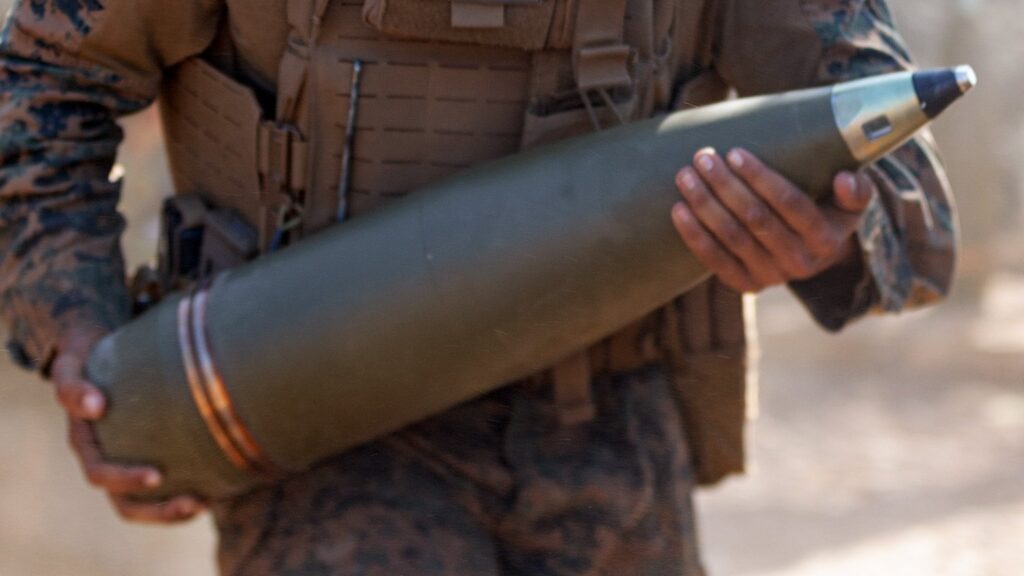
The pressure is mounting as the United States attempts to rebuild depleted inventories. A Center for Strategic and International Studies report estimated that Patriot interceptor stocks fell from more than 2,300 at the Iran War’s start to around 800 by the end of July.
Stocks of THAAD interceptors, used against incoming ballistic missiles, also fell by nearly half from roughly 450 before the war. The wider strain predates that conflict, following factory consolidation and shipments of precision guided weapons and heavy conventional ordnance to overseas allies.
Before Russia’s full scale invasion of Ukraine, the United States manufactured about 14,000 rounds of 155 mm artillery ammunition monthly. Ukrainian forces sometimes expended that many shells within only a few days, highlighting the mismatch between existing production and battlefield consumption.
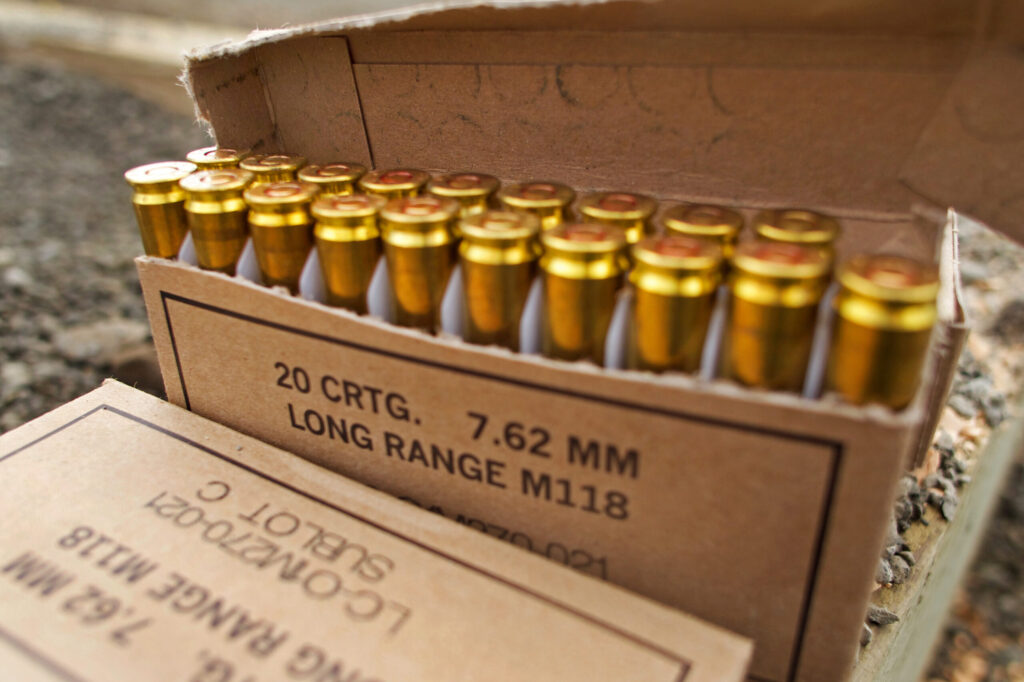
Concern about a possible confrontation with China has also driven the Pentagon to expand production. Last year, the War Department created a council charged with dramatically increasing production of 14 weapons systems while directing billions of dollars toward faster manufacturing of 155 mm artillery shells.
The Army has launched an $18 billion modernization effort across its specialized facilities, with environmental compliance and workplace safety identified as priorities. The project, however, is not scheduled for completion until 2038, even as production is already accelerating at some locations.
Environmental records show a sweeping compliance problem. Every Army ammunition plant and arsenal involved in producing, testing, or storing weapon components has been cited or flagged by federal or state regulators for noncompliance during the past five years, while four received significant noncompliance designations from the Environmental Protection Agency.
The Scranton Army Ammunition Plant was flagged for Clean Water Act and Clean Air Act violations during 2024 and 2025. Regulators also found improper explosive detonations at the Iowa Army Ammunition Plant in 2023, while BAE Systems was fined over record keeping and data reporting at Holston Army Ammunition Plant.
Penalties can look tiny beside military contracts. Following alleged violations at Iowa, the EPA fined the Army and American Ordnance just under $40,000 in 2024, while American Ordnance received a $53 million Army contract this year for work at the same facility.
Safety problems at Crane Army Ammunition Activity in Indiana offer another warning. On July 6, 2022, nearly 115,000 pounds of red phosphorus stored outdoors in wooden crates beneath a tarp ignited, producing a fire that burned for 15 hours.
Former Crane safety chief Rick Ward had raised concerns about hazardous substance controls, process classifications, lifting equipment certifications, and unresolved lessons from a 2013 explosion. After filing an anonymous Occupational Safety and Health Administration complaint in 2020, Ward was assigned to investigate the allegations himself, then placed on administrative leave and later fired.
The Army disputed Ward’s accusation that he faced retaliation. A whistleblower investigation nevertheless partially or fully upheld five of his eight allegations, including failures to maintain an accurate list of hazardous work locations and a complete safety plan for handling dangerous substances.
MORE NEWS: Hollywood Celebrities Erupt in Smug, Profane Trump Bashing After Democrat Midterm Blowout [WATCH]
EPA inspections in 2023 and 2024 found further problems at Crane, including fire risks, improperly labeled hazardous materials, open containers holding corrosive waste, and waste stored for more than three times the legal limit. The EPA later proposed nearly $250,000 in penalties.
Radford’s air releases remain another focus. EPA data show the plant emitted 19,000 pounds of ammonia and more than 900 pounds of lead or lead compounds in 2024, although the Army says open burning of waste there has fallen by more than 50% since 2017.
A new energetic waste incinerator intended to replace open burning at Radford is not expected to operate until 2027 after originally being scheduled for 2025. For nearby residents watching ammunition demand surge, modernization is coming, but the toxic bill is already arriving.
The opinions expressed by contributors and/or content partners are their own and do not necessarily reflect the views of LifeZette. Contact us for guidelines on submitting your own commentary.
Join the Discussion
COMMENTS POLICY: We have no tolerance for messages of violence, racism, vulgarity, obscenity or other such discourteous behavior. Thank you for contributing to a respectful and useful online dialogue.