WHAT YOU NEED TO KNOW
- The 5th SFAB is the Army’s last remaining Security Force Assistance Brigade after a broad restructuring closed the other specialized adviser units.
- Its continued role comes through integration with U.S. Army Pacific priorities and partnerships designed to counter Chinese influence.
- The brigade helped Mongolia establish noncommissioned officer training before transitioning exercise support to the 11th Airborne Division.
- Pacific partners are seeking advice on emerging tactics, deployable brigades, air defense systems and interoperability with American forces.
Over the last year, the Army shuttered most of the specialized units created to train and advise foreign militaries, leaving the 5th Security Force Assistance Brigade as the lone SFAB still operating. Its commander said the formation has continued to “find work” with regional allies as the Army builds partnerships to counter Chinese influence.
The 5th SFAB is based at Joint Base Lewis-McChord, Washington. It is the last of six original SFAB units that were stood up in 2018 as part of the Army’s advise and assist mission, which was inspired by American partnerships with Afghan allies during the Global War on Terror.
“The environment, the geography sort of naturally lent itself to an SFAB-type mission set,” Col. Daniel Hodermarsky, the 5th SFAB commander, told Task & Purpose during the Association of the United States Army’s annual conference in Washington, D.C.
The Army originally established six Security Force Assistance Brigades to train and advise allied militaries in Africa, Europe, the Middle East and Latin America. The service began closing the adviser units last year as part of a broader restructuring effort.
Gold. Upgraded. Buy real gold from $1. Store it in America. Sell it with one click.
In January, the 1st SFAB, which had focused on partners in Latin America, became a security cooperation group with an emphasis on the American partnership with Panama. Other SFAB units also disappeared during the restructuring, leaving the Pacific focused 5th SFAB as the sole survivor.
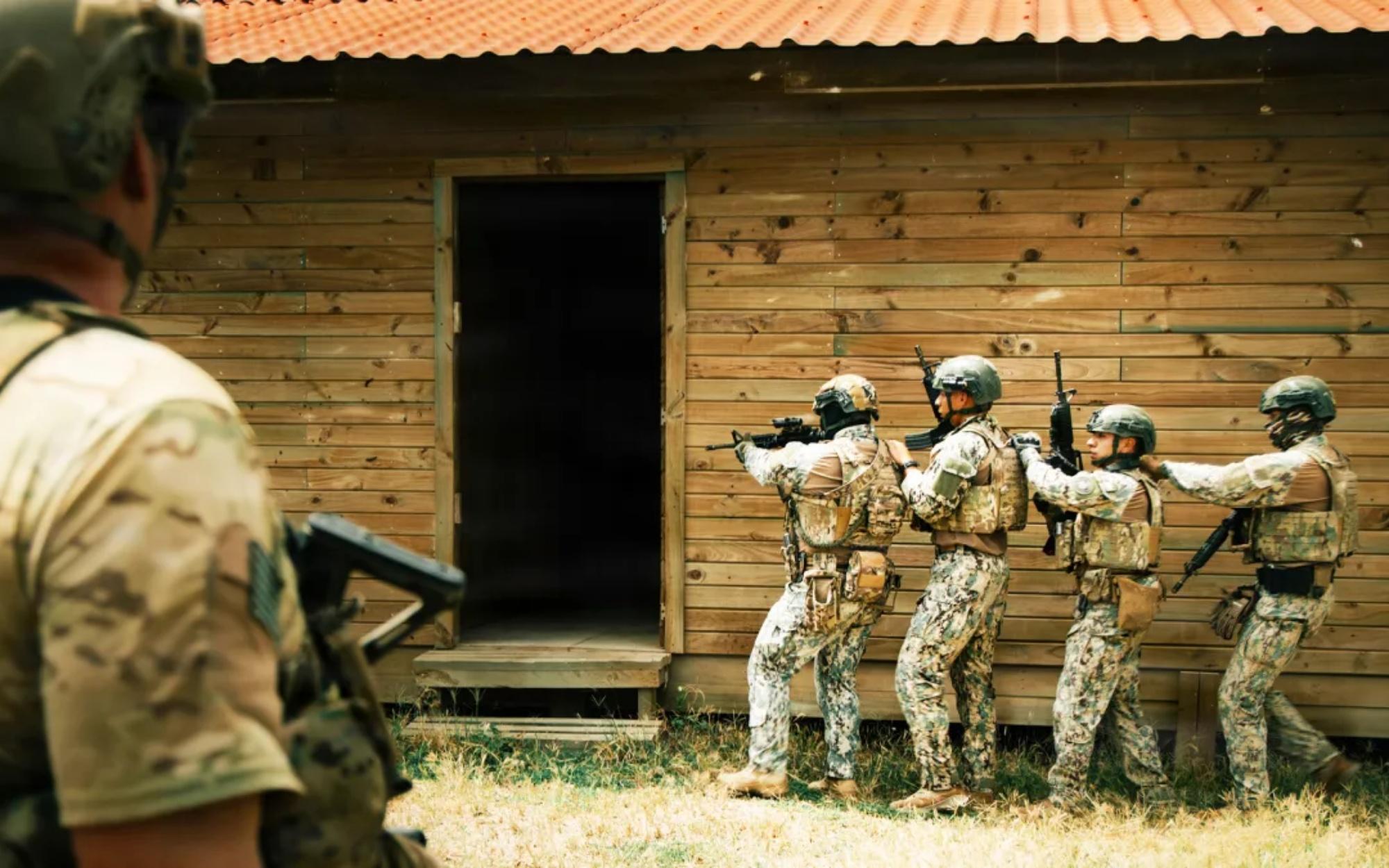
The SFAB concept faced turbulence almost immediately. Its 2017 launch produced backlash over a suggestion that personnel wear berets, while the mission itself raised concerns about crossing into territory associated with Special Forces.
Additional controversies followed after the brigades began operating. Those included allegations of misconduct during advisory missions overseas and high profile firings at home.
This Could Be the Most Important Video Gun Owners Watch All Year
The elimination of the units has also drawn scrutiny from some within Army ranks. Critics have argued that losing formations specifically designed to build military alliances could bring devastating consequences before potential wars against major competitors such as China or Russia.
Hodermarsky said the 5th SFAB maintained its relevance because it was incorporated into the U.S. Army Pacific strategy. Regional commanders provided priorities that gave the brigade a continuing role in the Army’s wider campaign.
“We had excellent support from U.S. Army Pacific as far as their G-3 [operations division] giving us direct priorities over the years of where we fit into the forward edge of their campaign to set conditions for the out years,” Hodermarsky said.
One recent collaboration involved helping the Mongolian army standardize its noncommissioned officer academy. Hodermarsky said that work helped the United States become Mongolia’s “partner of choice” in the region, and the Mongolian military is now planning exercises with American soldiers in Alaska.
Command Sgt. Maj. Mark Millare said the brigade helped Mongolia build its program of instruction and develop instructors who could train their own personnel. After the professional military education course was established, the work shifted toward exercises involving the 11th Airborne Division.
“We transitioned that to exercises with the 11th Airborne,” Millare said. The SFAB helped establish, operate, pilot and test the program before transitioning the effort to the division.
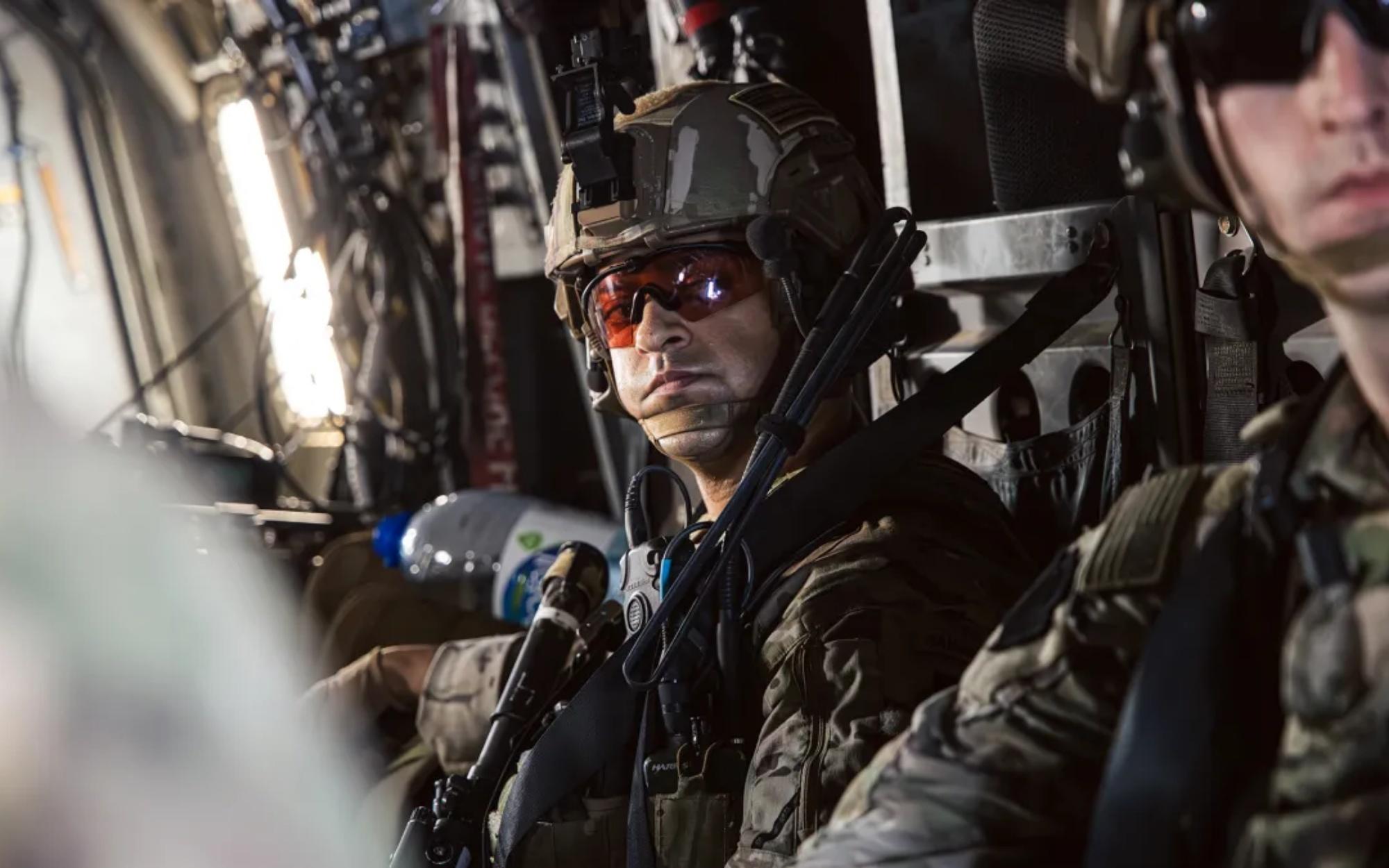
Before accepting a new project, the 5th SFAB receives input from embassy officials, local military leaders or Army leadership in the region about what a partner wants. Hodermarsky said Pacific partners regularly seek advice about tactics emerging from the Russia-Ukraine war, building deployable brigades and moving those formations hundreds of miles across their countries.
Some Pacific militaries, including those of the Philippines and Thailand, are fielding American air defense systems. Their governments are also looking for opportunities to train with Army units that possess years of experience operating the equipment.
“We call them subject matter exchanges where they want to have people that operate in that type of unit in 7th [Infantry Division] or 4th [Infantry Division] come and talk to them in exchange and do training together,” Hodermarsky said.
Pacific allies are also working through how their forces can fight together in a region where alliances are more loosely connected than those in Europe. Hodermarsky said the region contains numerous bilateral and trilateral partnerships across both island chains rather than common NATO doctrine and practices.
“What they’re really asking is, how do we work better together? How do we tie in interoperable systems that can talk to U.S. forces, that can communicate with U.S. forces? How do we train and exchange knowledge?” Hodermarsky said.
Gold is the oldest answer. SoundMoney makes owning it as easy as the apps you already use.
The opinions expressed by contributors and/or content partners are their own and do not necessarily reflect the views of LifeZette. Contact us for guidelines on submitting your own commentary.
Join the Discussion
COMMENTS POLICY: We have no tolerance for messages of violence, racism, vulgarity, obscenity or other such discourteous behavior. Thank you for contributing to a respectful and useful online dialogue.