WHAT YOU NEED TO KNOW
- David Lynch opposed revealing Laura Palmer’s killer because he believed the unresolved mystery powered Twin Peaks.
- ABC demanded an answer, while Mark Frost forged a compromise despite later questioning whether Lynch had been right.
- The second season revealed that Leland Palmer killed Laura while possessed by BOB.
- Interest declined further after the revelation, and ABC cancelled Twin Peaks in 1991.
David Lynch fiercely resisted revealing who killed Laura Palmer, convinced that solving the defining mystery of Twin Peaks would destroy the very source of the series’ power. The filmmaker wanted the murder to keep generating stories rather than become a question with a final answer.
Lynch, who died aged 78 in 2025, created the surreal ABC drama with Mark Frost. The series combined a murder investigation with soap opera, horror and supernatural elements after Lynch established his distinctive style through Eraserhead, The Elephant Man and Blue Velvet.
The extraordinary success of Twin Peaks intensified a fundamental disagreement over Laura’s murder. ABC demanded a resolution, while Lynch believed the central mystery should remain unanswered and continue shaping the fictional town and its characters.
Speaking to the Los Angeles Times about the dispute, Frost said, “The network was adamant that we should (reveal the killer.)”
Gold. Upgraded. Buy real gold from $1. Store it in America. Sell it with one click.
Frost said, “I had to kind of forge a compromise. I’m not sure that David wasn’t right (to not to reveal the killer’s identity.)”
He added, “Maybe we shouldn’t have solved the mystery. Let it drift on into the background and churn up more incidents as you went forward.”
Twin Peaks opens with the discovery of teenager Laura Palmer, played by Sheryl Lee, whose body is found wrapped in plastic in the Washington town that gives the series its name. FBI Special Agent Dale Cooper, played by Kyle MacLachlan, arrives to investigate her death.
Cooper rapidly discovers that Laura’s apparently conventional existence concealed a much darker life. Her murder gave Lynch and Frost the framework for a world filled with eccentric residents, unsettling dream sequences and supernatural forces.
This Could Be the Most Important Video Gun Owners Watch All Year
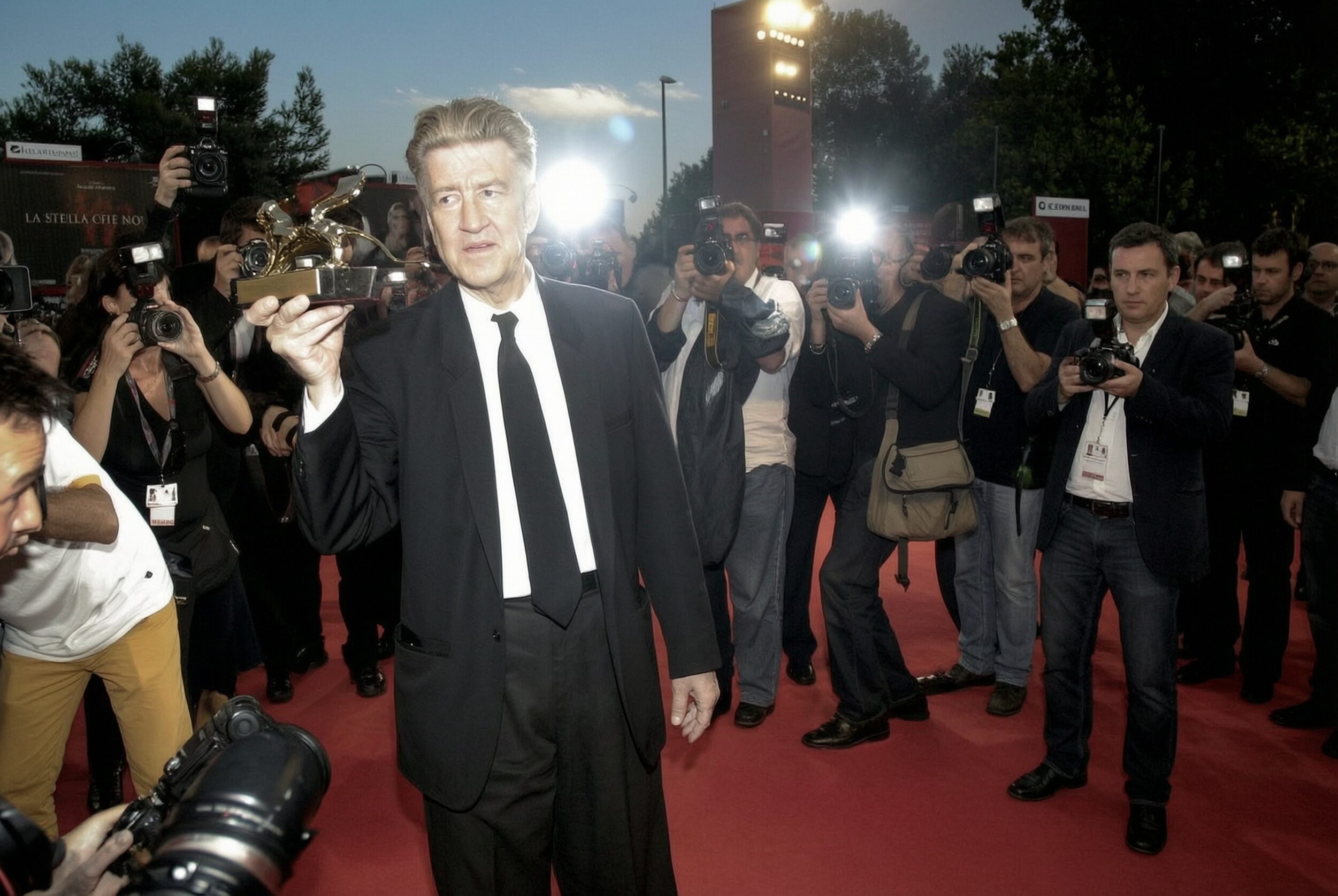
Photocall for "Inland Empire" at the 63rd Venice International Film Festival, Venice, Italy.
September 5th, 2006
Those elements included the mysterious Red Room and the malevolent entity BOB. Rather than functioning only as a murder mystery, the investigation allowed the creators to move through the strange relationships, secrets and disturbing forces surrounding Laura.
The series became a television phenomenon after debuting in April 1990. Its pilot, which ran for two hours, attracted a huge American audience, while the first season received eight Emmy nominations.
As the show’s popularity grew, the identity of Laura’s killer increasingly dominated public discussion. Lynch still wanted to preserve the mystery because he believed Laura’s death could continue producing stories throughout the series.
Frost was more willing to recognize that viewers would eventually expect an answer, and ABC continued pressing for the murder to be resolved. The revelation finally arrived during the second season in November 1990.
Viewers learned that Laura’s father, Leland Palmer, played by Ray Wise, had killed her while possessed by BOB. The horrifying disclosure unfolds as Leland looks into a mirror and sees BOB in his reflection.
Leland then murders Laura’s cousin Maddy Ferguson, who was also played by Sheryl Lee. Lynch directed the episode, while Frost wrote it, placing both creators at the center of the moment that answered the show’s defining question.
The revelation became one of the most memorable moments in Twin Peaks, but Lynch maintained that solving the mystery removed the engine powering the program. He compared Laura’s murder to a goose laying golden eggs and said revealing the killer was like being ordered to “snip its head off”.
Ratings had already fallen from the enormous audience attracted by the premiere, and scheduling disruption also affected the second season. Interest declined further after the murder was resolved, and ABC cancelled Twin Peaks in 1991.
Lynch returned to Laura for the 1992 prequel film Twin Peaks: Fire Walk With Me, which followed the final days of her life. Then, 25 years later, Lynch and Frost revived the series as Twin Peaks: The Return.
The 18 part continuation starred MacLachlan and many members of the original cast. Released in 2017, it became one of Lynch’s final major works and was acclaimed for pushing the boundaries between cinema and television.
Lynch’s death brought renewed attention to Twin Peaks and to the body of work that made “Lynchian” shorthand for his mixture of the everyday, surreal and sinister. The unresolved mystery he fought to protect remains central to understanding his vision for the series.
Gold is the oldest answer. SoundMoney makes owning it as easy as the apps you already use.
The opinions expressed by contributors and/or content partners are their own and do not necessarily reflect the views of LifeZette. Contact us for guidelines on submitting your own commentary.
Join the Discussion
COMMENTS POLICY: We have no tolerance for messages of violence, racism, vulgarity, obscenity or other such discourteous behavior. Thank you for contributing to a respectful and useful online dialogue.