WHAT YOU NEED TO KNOW
- The last operational HH-60G Pave Hawk completed its final flight after more than three decades of Air Force rescue service.
- The 129th Rescue Wing honored tail number 27045 and the Airmen who operated, maintained and supported it.
- Aircraft from the wing supported major hurricane missions and assisted in more than 300 combat saves during Afghanistan deployments.
- The Air Force is transitioning to the HH-60W Jolly Green II, which offers advanced technology and increased capabilities.
After more than three decades as an essential part of Air Force combat search and rescue operations, the last operational HH-60G Pave Hawk has completed its final flight and retired from service.
The aircraft ended a career tied closely to rescue missions, combat deployments and disaster response.
The California Air National Guard’s 129th Rescue Wing held a divestment ceremony and final flight for the helicopter two weeks ago at Moffett Air National Guard Base, California.
The event honored tail number 27045 and the Airmen who kept the aircraft ready for demanding missions.
Gold. Upgraded. Buy real gold from $1. Store it in America. Sell it with one click.
“The ceremony commemorated more than the retirement of tail number 27045,” the announcement reads.
“It honored a legacy built by the pilots, special mission aviators, pararescuemen, maintainers and support personnel who transformed the Pave Hawk from a helicopter into a symbol of hope and survival.”
That legacy stretched from combat zones in Afghanistan and Iraq to communities struck by disasters in California.
Across those missions, the helicopter represented both the personnel responsible for keeping it operational and the people whose lives its crews worked to save.
This Could Be the Most Important Video Gun Owners Watch All Year
Aircraft from the 129th supported missions after hurricanes Katrina, Ike and Harvey.
The helicopters also carried crews during deployments to Afghanistan, where the wing assisted in more than 300 combat saves.
Those operations placed the Pave Hawk at the center of the wing’s rescue work.
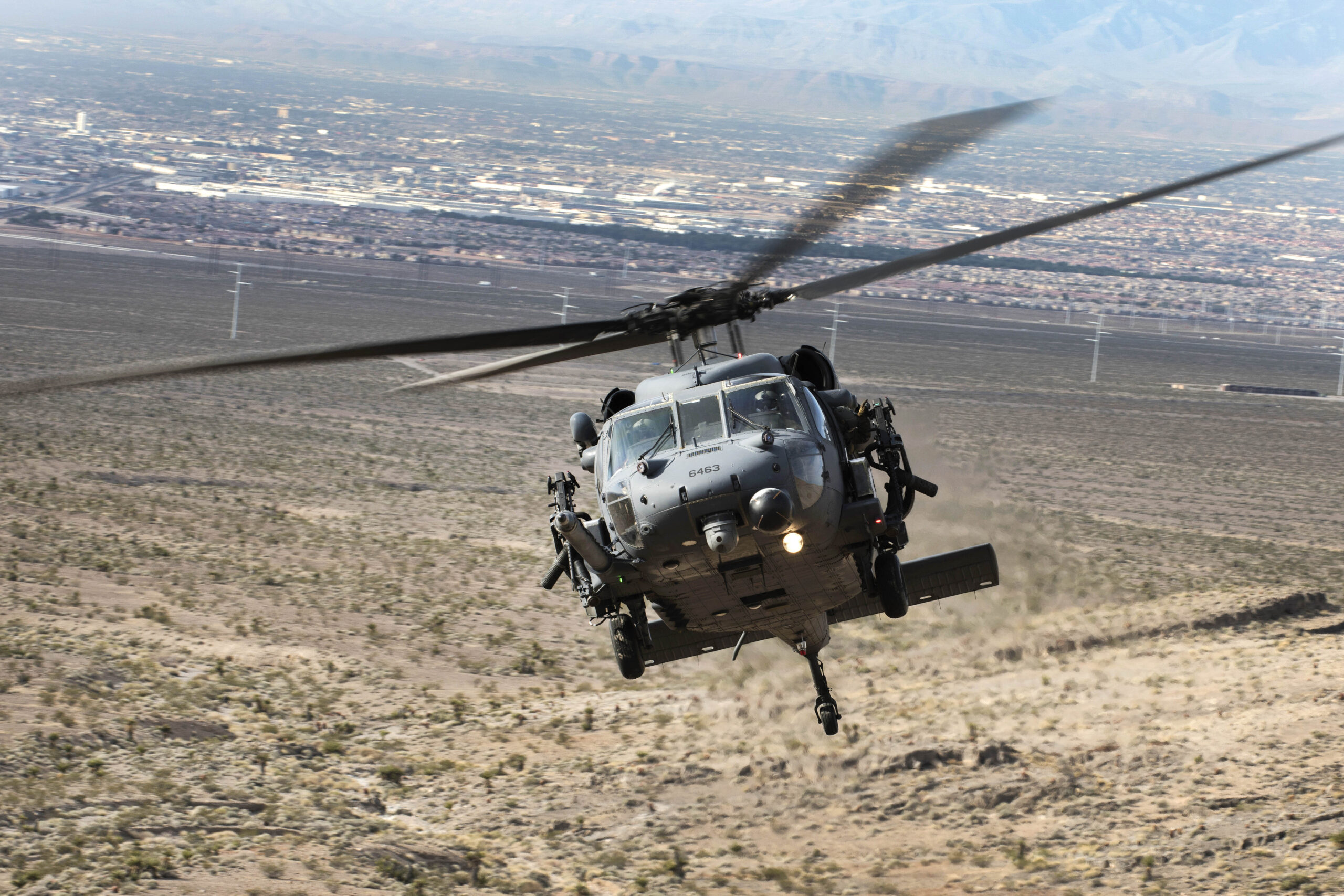
Its record reflected the combined efforts of pilots, special mission aviators, pararescuemen, maintainers and support personnel who served with the aircraft over its decades of operation.
For the personnel who flew the helicopter, the connection went beyond simply operating another airframe.
Lt. Col. Benjamin Buchta, an HH-60 pilot and commander of the 129th Rescue Squadron, described the familiarity that developed between crews and the aircraft.
“When you’re flying the [Pave Hawk], you kind of become one with that machine,” Buchta said in the release. “The Golf feels like home when I sit in it.”
Tail number 27045 was among six Army UH-60L Black Hawk helicopters converted by the Air Force into HH-60G Pave Hawks. It eventually became the last operational Pave Hawk, giving its final mission and retirement added significance for the rescue community.
For many Airmen, the Pave Hawk was the helicopter on which they learned their profession.
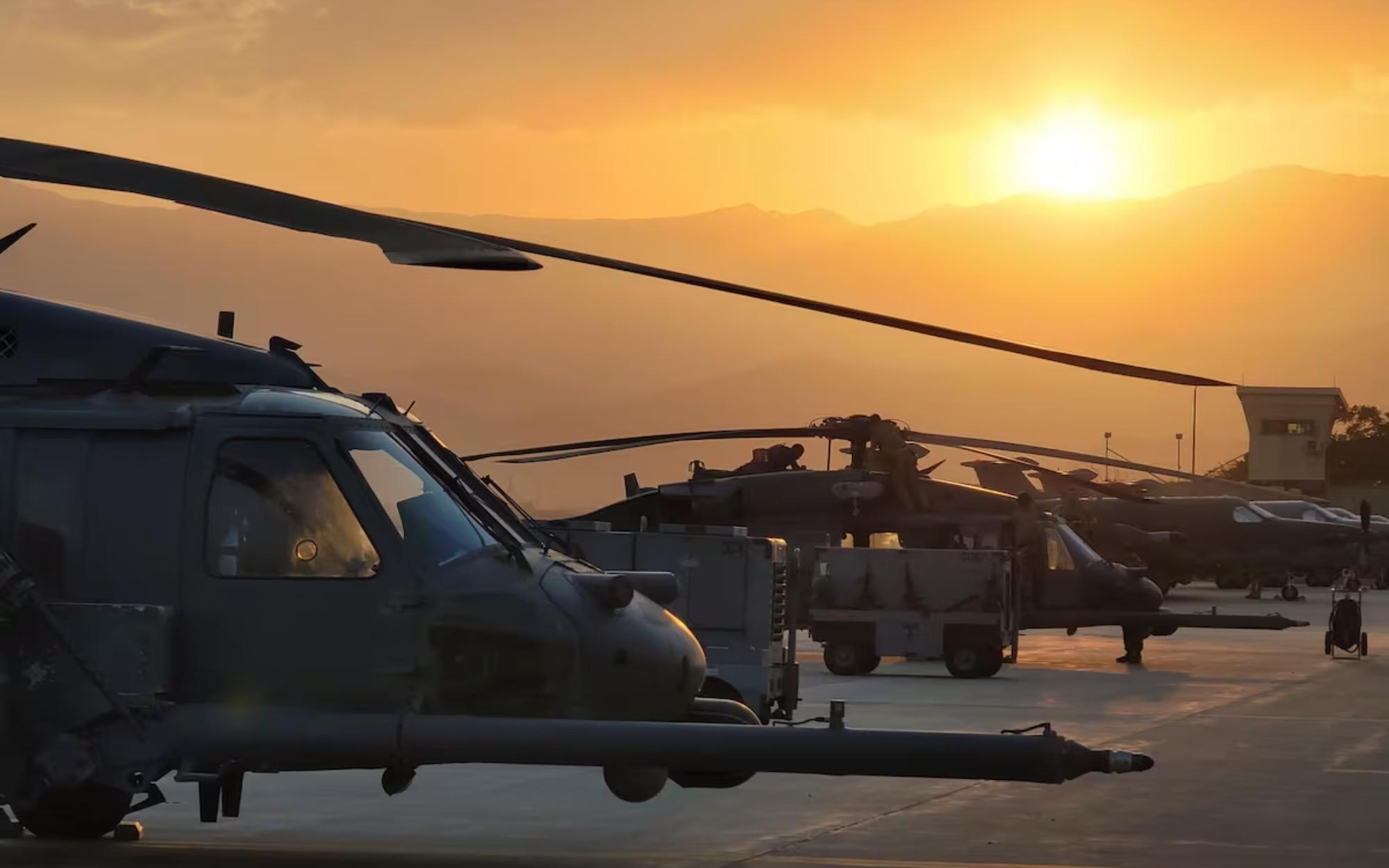
It was also the aircraft they deployed with and devoted their lives to operating in service of missions focused on saving others.
The helicopter’s importance was not limited to the individual missions it completed.
Buchta said the Pave Hawk helped build the helicopter search and rescue community into what it is today, calling the aircraft the “cornerstone” for many current Air Force tactics.
That influence came through decades of experience accumulated by the people who flew, maintained and supported the aircraft.
The final ceremony recognized that the Pave Hawk’s record was inseparable from the Airmen who turned the helicopter into a trusted rescue platform.
The divestment ceremony therefore marked more than the removal of one aircraft from operational service.
It provided a final salute to the crews and support personnel whose work carried tail number 27045 through combat deployments, disaster response and rescue operations.
“While the last HH-60G has flown its final Air Force mission, the legacy those Airmen built will continue wherever rescue crews answer the call to bring someone home,” the release reads.
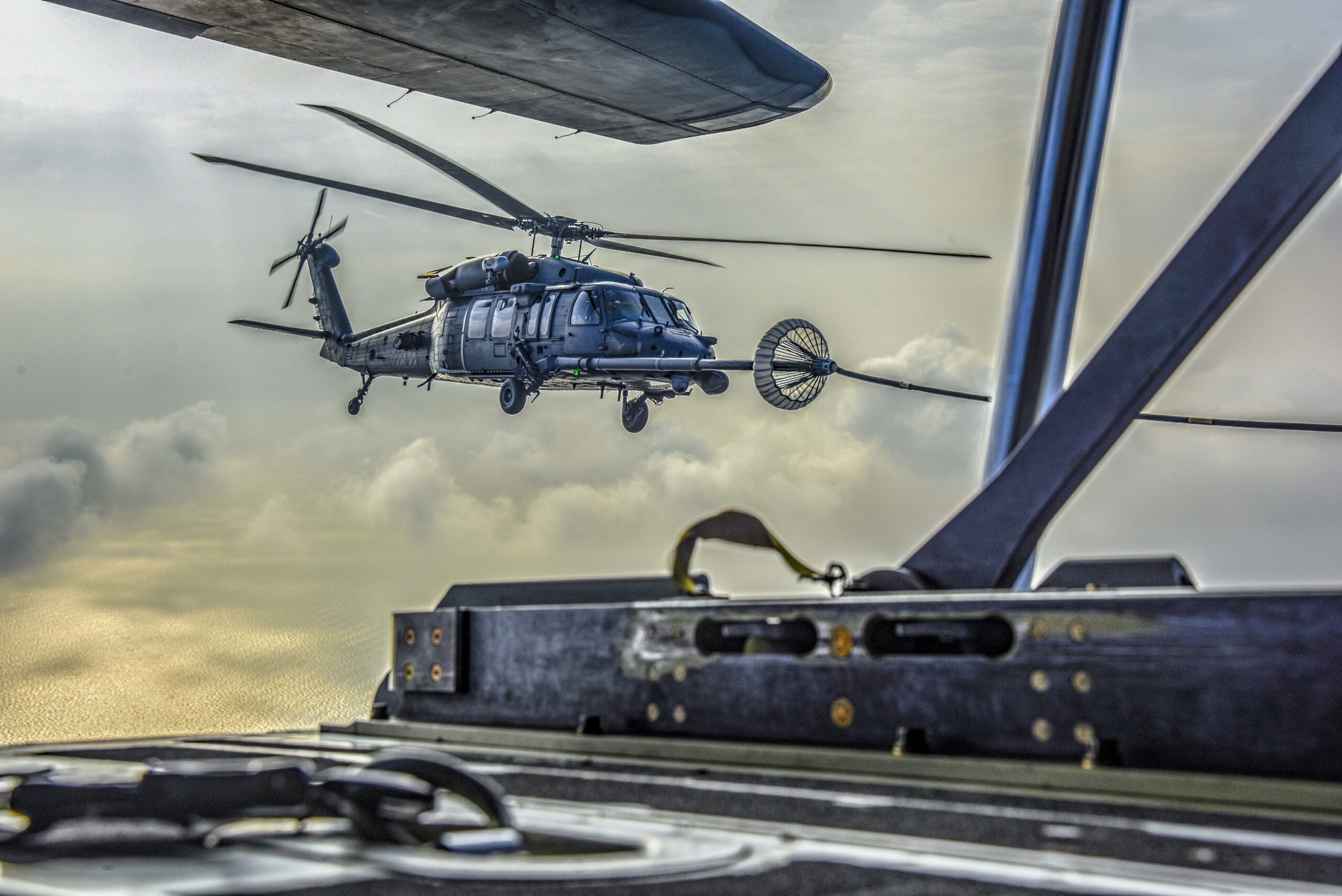
The Air Force is now transitioning to the HH-60W Jolly Green II as its next generation combat search and rescue helicopter.
The replacement aircraft features advanced technology and increased capabilities as the service moves beyond the HH-60G.
The Pave Hawk’s final flight closes more than three decades of operational service, but the ceremony made clear that the aircraft’s influence remains embedded in the rescue force.
Its missions, tactics and personnel helped shape the community that will carry the rescue mission forward.
Gold is the oldest answer. SoundMoney makes owning it as easy as the apps you already use.
The opinions expressed by contributors and/or content partners are their own and do not necessarily reflect the views of LifeZette. Contact us for guidelines on submitting your own commentary.
Join the Discussion
COMMENTS POLICY: We have no tolerance for messages of violence, racism, vulgarity, obscenity or other such discourteous behavior. Thank you for contributing to a respectful and useful online dialogue.