WHAT YOU NEED TO KNOW
- Air Force officials said the F-35 sustained intense combat operations during Operation Epic Fury and Operation Midnight Hammer.
- The aircraft maintained high mission capable rates despite potential parts, logistics and maintenance pressures in contested environments.
- Officials praised the fighter’s survivability, versatility and ability to return to flight in about 45 minutes.
- A June Government Accountability Office report said readiness across the full F-35 fleet had fallen to 25%.
Top Air Force officials praised the F-35 Lightning II on Monday, saying the fighter demonstrated that it could sustain demanding combat operations during Operation Epic Fury and Operation Midnight Hammer.
Their assessment followed recent Middle East deployments that tested the aircraft in contested environments.
Maj. Gen. Brian Laidlaw and Col. Charles A. Fallon discussed the fighter at the Air & Space Forces Association’s 2026 Air, Space & Cyber Conference.
They highlighted the fleet’s performance several months after an independent watchdog raised questions about its combat readiness.
Gold. Upgraded. Buy real gold from $1. Store it in America. Sell it with one click.
“When properly resourced, we showed without a doubt how well this airplane can perform in combat,” said Laidlaw. His remarks put resources at the center of the aircraft’s operational performance.
The officials pointed to several strengths displayed by the F-35 during recent combat operations.
Among them were sustained mission capable rates, a lighter maintenance burden, survivability and the versatility to execute different mission types.
Aircraft deployed into contested environments can require more spare parts, while a strained logistics supply chain may face difficulty getting those parts where they are needed.
This Could Be the Most Important Video Gun Owners Watch All Year
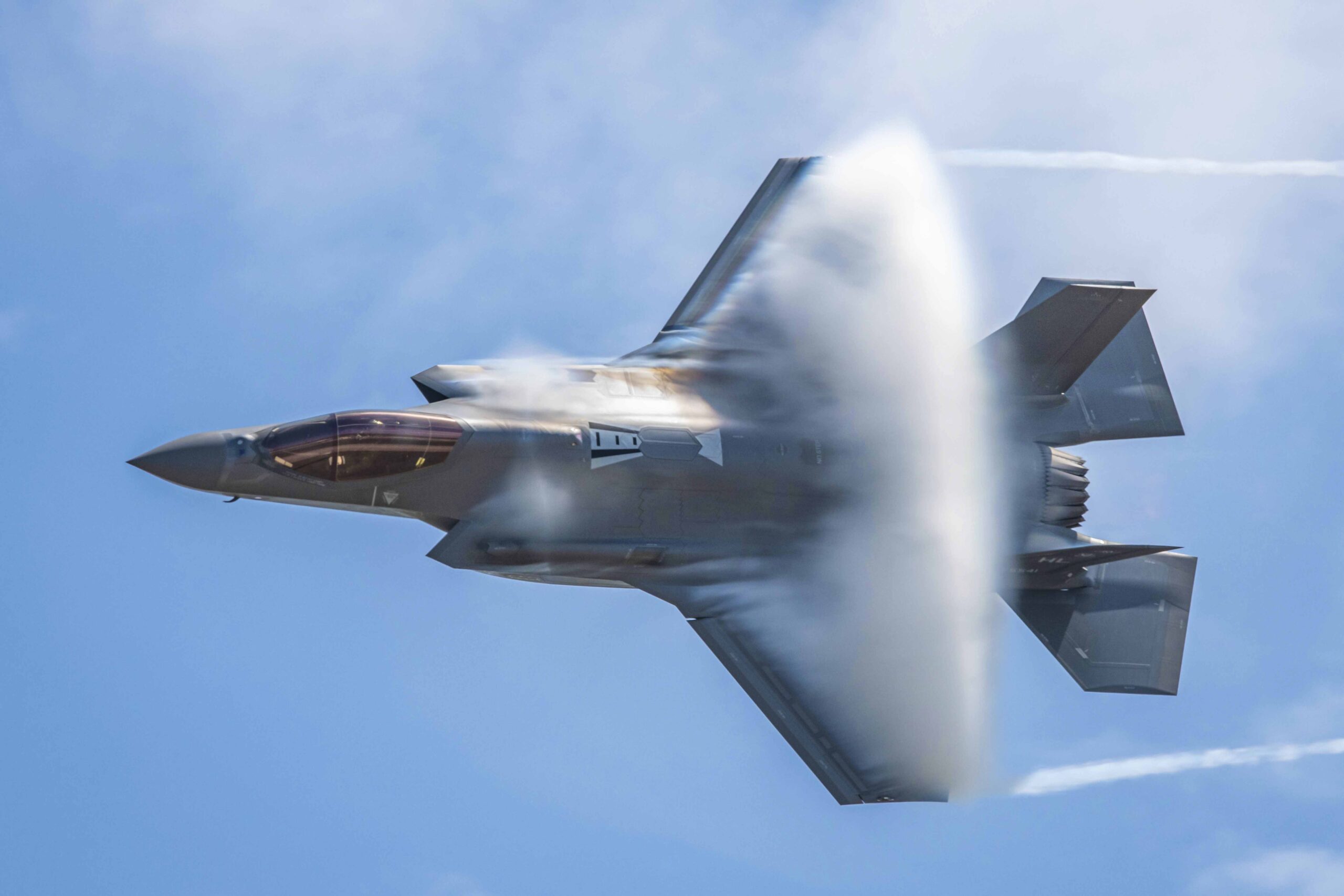
Laidlaw said the F-35 nevertheless maintained high mission capable rates over an extended period of intense operations.
That sustained performance was particularly notable given the potential supply and maintenance pressures associated with combat deployments.
The aircraft continued flying missions while operating under conditions that could place additional demands on parts and logistics.
MORE NEWS: Heroic San Diego Bystanders Chase Down Suspected Tesla Thief After Woman is Struck [WATCH]
Fallon also called attention to the F-35’s maintenance profile.
He contrasted its flight line with those associated with fourth generation aircraft, where hydraulic fluid, oil and service members working with wrenches were common sights.
The F-35 flight line presented a markedly different picture, according to Fallon.
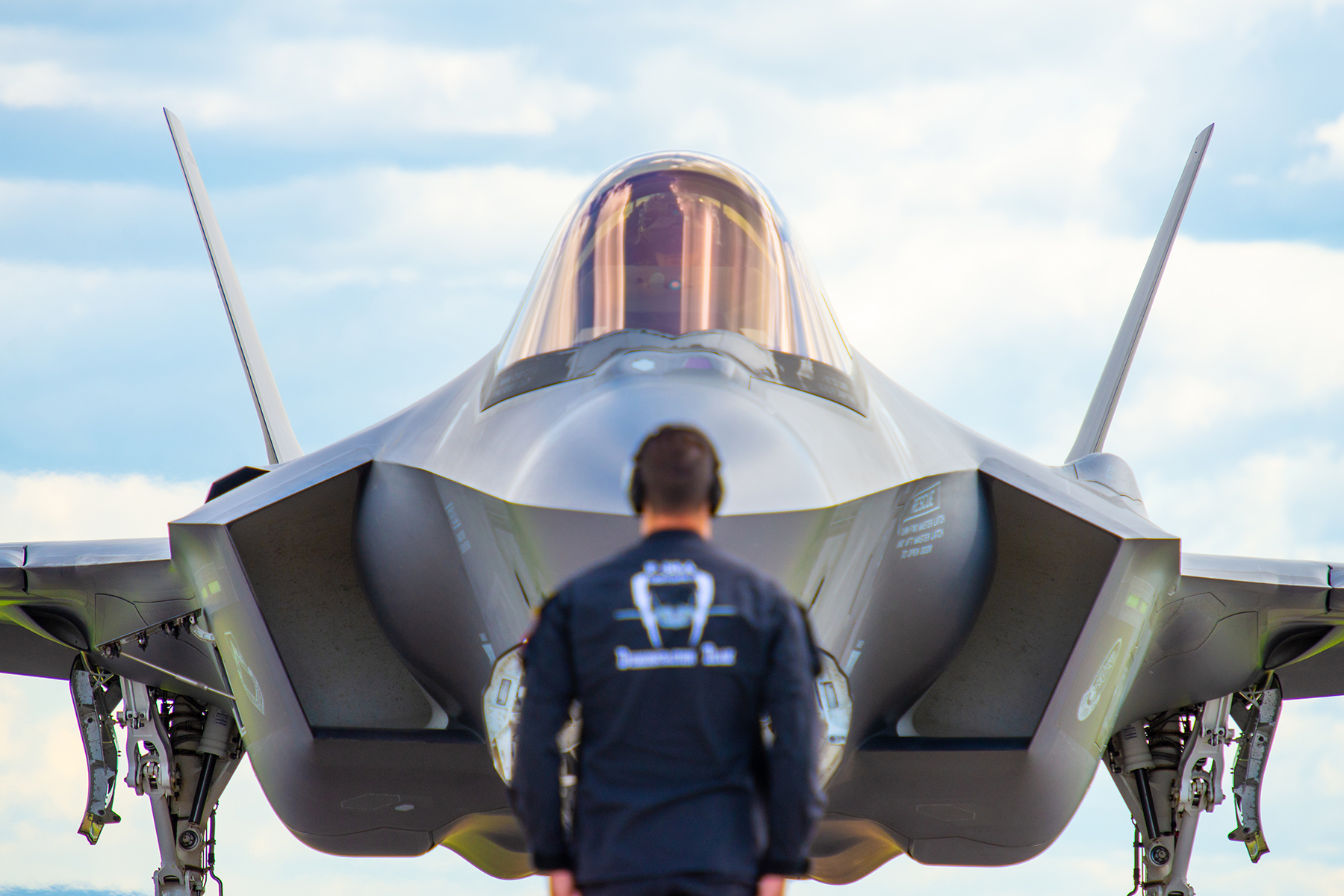
“You go out there on an F-35 flight line in between goes — people are smoking a Lucky,” Fallon said. “There’s nothing going on.”
Fallon described a comparatively straightforward maintenance situation between missions.
An F-35 might be broken and require parts before another flight, or it might simply need fuel and hot weapons before making a quick return to the air.
The turnaround in the latter case could take about 45 minutes. Fallon said reducing the time needed between missions carries direct consequences for survivability and the personnel involved in operations.
MORE NEWS: Ohio Felon Punches Bailiff in Throat, Attacks Deputies in Wild Courthouse Escape Bid [WATCH]
“When we can start cutting down from hours to minutes, that really matters and that equals people’s lives,” Fallon said.
The ability to return aircraft to flight quickly became one of the fleet’s notable operational advantages during the deployments.
The aircraft’s versatility also surprised the officials. Laidlaw said the F-35 proved not only survivable but also capable of conducting several different types of missions during the recent combat operations.
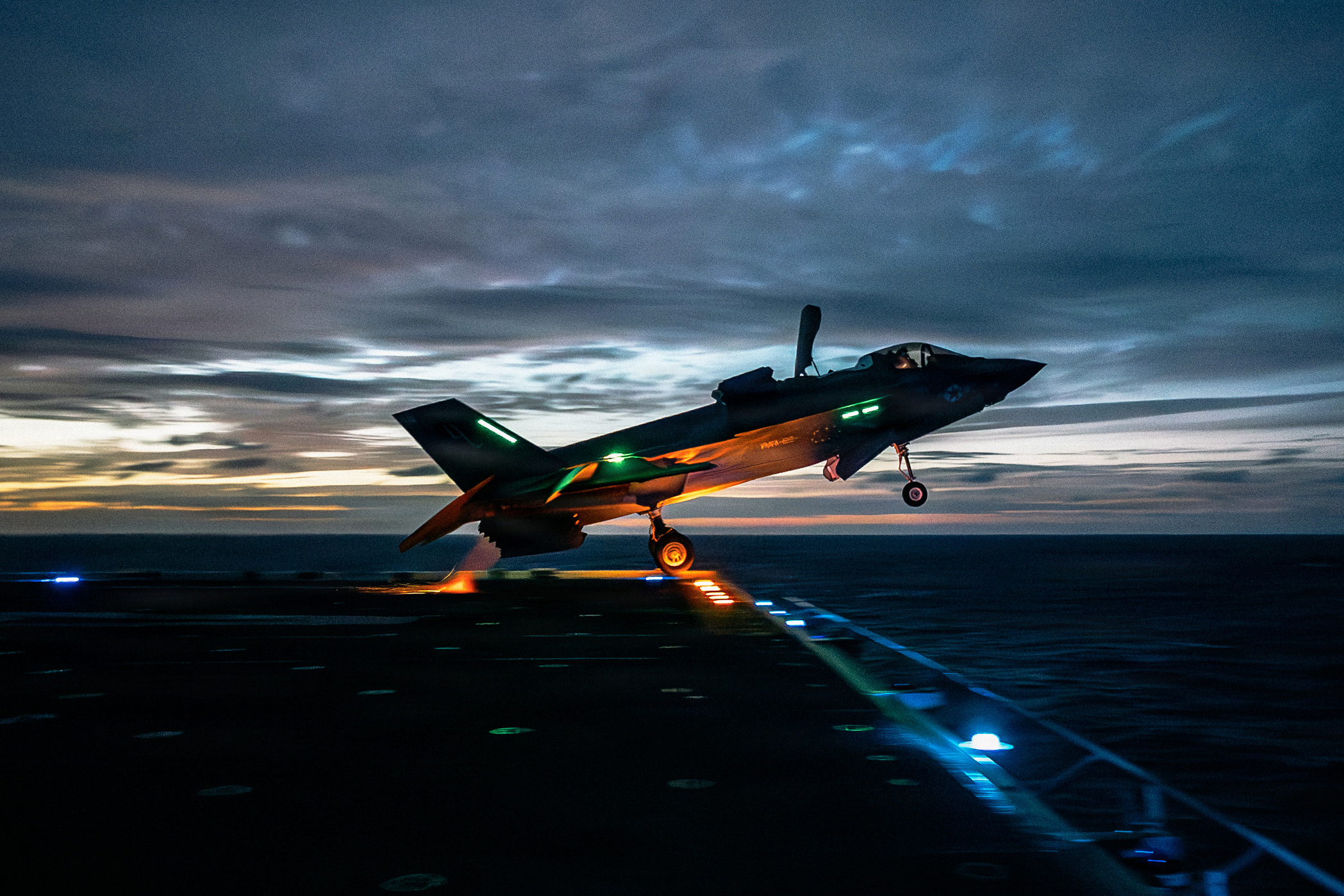
That flexibility created a need to introduce new weapons and certify them quickly as emerging missions demanded different capabilities.
Processes that ordinarily could consume months or years during peacetime instead moved rapidly during the war.
Laidlaw said he hoped that experience would become a model for moving more quickly in the future. He pointed to the importance of bringing together the services, allies, industry and weapons manufacturers to pursue a shared objective.
Fallon said the demonstrated versatility would increase demand for the aircraft during the coming years. The operational tempo already has kept a substantial portion of the wing away for an extended period.
MORE NEWS: Trump Says U.S. ‘Hopefully’ Nears End of Iran War as Saudi Arabia and Houthis Trade Strikes
“More than half the wing has been gone at any time for the past two and a half years, and that’s not going to change anytime soon,” Fallon said.
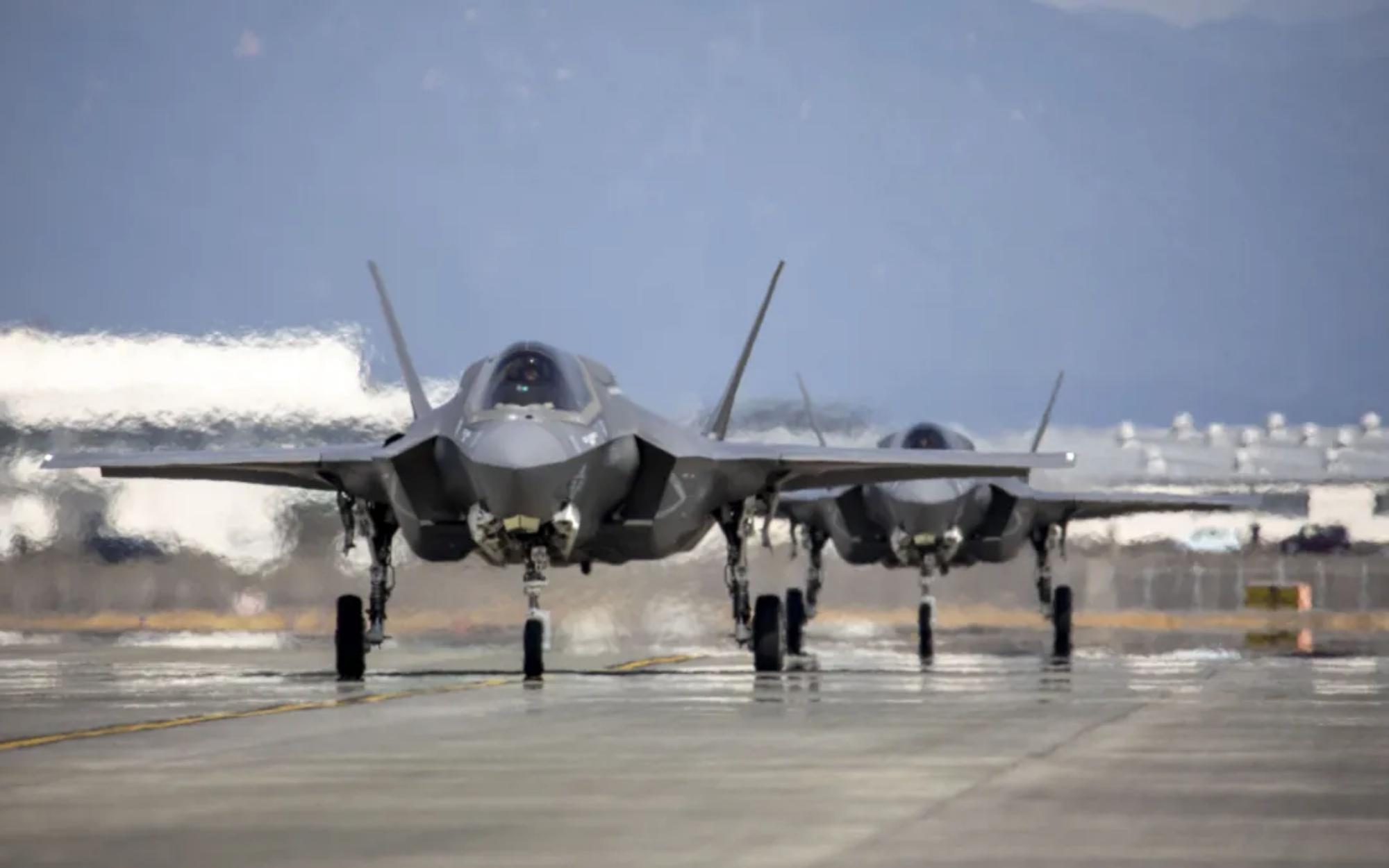
His assessment indicated that heavy demand for the fleet is expected to continue.
The officials’ praise came after a June Government Accountability Office report said readiness across the full fleet of F-35 Lightning II Joint Strike Fighters had declined to 25%. That report provided a stark contrast to the combat performance described at the conference.
According to the report, the Air Force said the readiness decline was partly connected to software delays, parts availability and corrosion problems.
Even with those fleet concerns, Laidlaw and Fallon said properly resourced aircraft proved capable of sustaining intense combat operations.
Gold is the oldest answer. SoundMoney makes owning it as easy as the apps you already use.
The opinions expressed by contributors and/or content partners are their own and do not necessarily reflect the views of LifeZette. Contact us for guidelines on submitting your own commentary.
Join the Discussion
COMMENTS POLICY: We have no tolerance for messages of violence, racism, vulgarity, obscenity or other such discourteous behavior. Thank you for contributing to a respectful and useful online dialogue.