WHAT YOU NEED TO KNOW
- The Army awarded Northrop Grumman $4.8 billion to produce CIRCM laser protection systems through 2035.
- CIRCM tracks incoming missiles and jams their sensors, causing the weapons to miss Army helicopters.
- More than 700 systems have been delivered, while Northrop Grumman says CIRCM is installed on over 550 Army helicopters.
- The 50 pound CIRCM system replaces older equipment that weighed about 160 pounds on a Chinook.
The Army is pouring nearly $5 billion into a major expansion of helicopter defenses, awarding Northrop Grumman $4.8 billion to produce laser based missile protection systems under the Common Infrared Countermeasures program, known as CIRCM.
The award, announced last week, will support production of the latest helicopter defense technology through 2035.
The systems are intended to protect Army aircraft from threats such as shoulder fired Stinger missiles.
CIRCM works alongside an aircraft missile warning system.
Gold. Upgraded. Buy real gold from $1. Store it in America. Sell it with one click.
After receiving a warning, the system tracks the incoming munition and jams its sensor, “degrading the tracking capability of the missile and causing it to miss the aircraft,” according to Army budget documents.
“The Army’s plan is to equip all Army rotary wing aircraft with CIRCM,” Army spokesperson Ellen Lovett said.
“Other services have shown interest in CIRCM but are in the early review stage.”
That plan would bring the laser protection systems to the Army’s Apache, Blackhawk and Chinook helicopters, along with the new MV-75 Future Long Range Assault Aircraft. The Army had nearly 3,700 rotary wing helicopters as of 2023.
This Could Be the Most Important Video Gun Owners Watch All Year
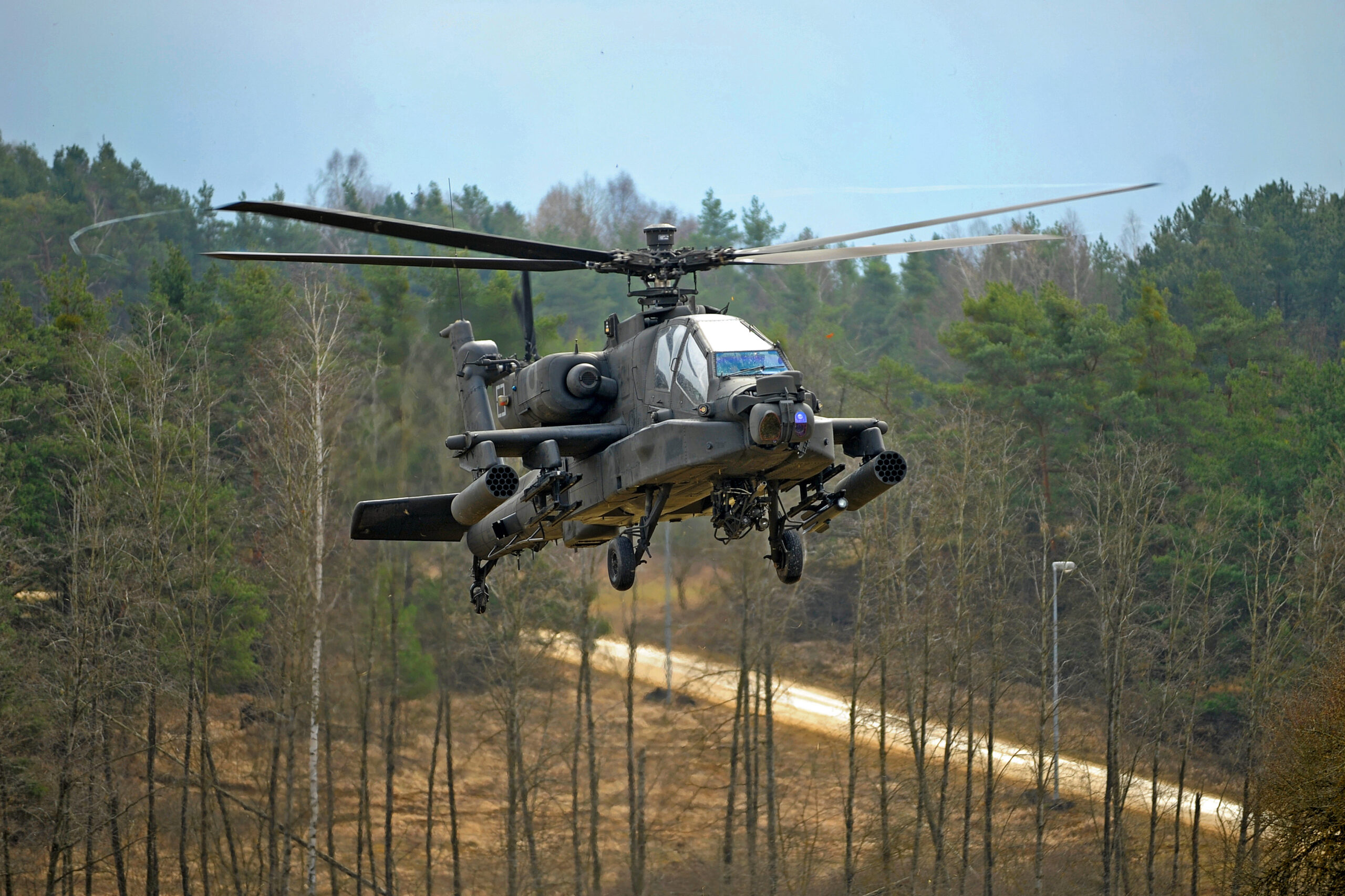
Since then, the service has announced significant reductions to its aviation fleet while shifting toward more unmanned aircraft and drones.
The number of CIRCM systems already operating remains undisclosed for security reasons.
“For operational security reasons we cannot share how many systems have been fielded to date, but more than 700 systems have been delivered,” Lovett said.
Northrop Grumman vice president Leah Hooten said CIRCM is installed on more than 550 Army Apache, Chinook and Black Hawk helicopters.
An Army aviation mission survivability officer who flew with older laser defense systems in combat described CIRCM as a “different solution for the same technology.” He said the continuing “arms race” in missile technology has forced aircraft protection systems to evolve as well.
Historically, helicopter pilots attempted to defeat heat seeking missiles by releasing a “cocktail” of multiple flares intended to draw the incoming weapon away from the aircraft. The officer said an aircraft equipped with CIRCM offers a better option.
“It’s the best solution we have now because the magazine is unlimited. I can shoot down missiles all day long with CIRCM,” the officer said. “Once I’m out of my flare bucket, I’m gonna get shot by a missile.”
The officer said the entire engagement can unfold in half a second.
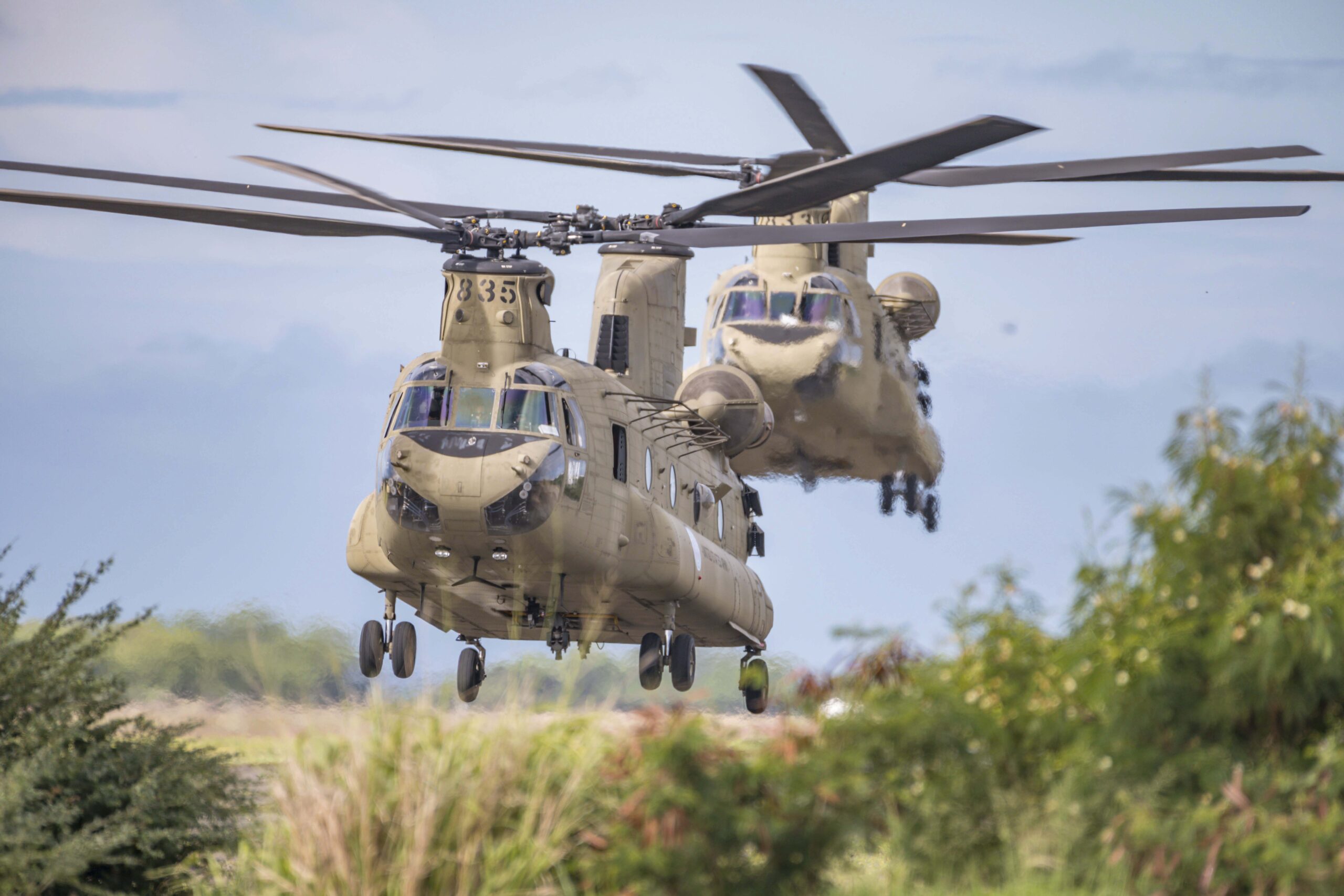
Against a MANPADS missile traveling faster than the speed of sound, he said the laser defense is “way faster than my ability as a pilot to drop a countermeasure, specifically a flare.”
The Army initially awarded Northrop Grumman a $959 million production contract in April 2021.
The new $4.8 billion contract supports systems for the Army as well as foreign militaries purchasing the technology from the United States, according to Lovett.
“The recent contract award from the Army sustains full‑rate production of CIRCM,” Hooten said. She added that the contract establishes a framework for continuing to equip Army helicopters while allowing the service to adjust quantities over time.
Hooten said the fundamental approach remains the use of a precisely directed laser to disrupt a missile seeker.
She said the current system features improved hardware and sophisticated software intended to counter the latest threats.
The new system also replaces the Army’s Advanced Threat Infrared Countermeasure System, which was used for 16 years, including in Iraq and Afghanistan. The Army officer said pilots called the larger Northrop Grumman system “R2-D2” because it resembled the Star Wars character.

Weight was a major limitation of that older equipment, according to the Army.
On a Chinook, the previous system weighed about 160 pounds, while Northrop Grumman says its CIRCM system weighs 50 pounds.
“That dramatic reduction in weight helps minimize impact on aircraft performance, simplifies integration on multiple platforms and supports broader adoption across the fleet,” Hooten said.
The smaller system offers the Army a path to protecting a wide range of helicopters without the burden imposed by the older equipment.
Infrared missile threats are also affecting the Air Force. A similar contract to equip HH-60W Jolly Green II combat search and rescue helicopters with infrared countermeasures was released in April, after an Air Force Materiel Command notice warned that lacking such protection increases risks to missions, aircraft and crews.
Gold is the oldest answer. SoundMoney makes owning it as easy as the apps you already use.
The opinions expressed by contributors and/or content partners are their own and do not necessarily reflect the views of LifeZette. Contact us for guidelines on submitting your own commentary.
Join the Discussion
COMMENTS POLICY: We have no tolerance for messages of violence, racism, vulgarity, obscenity or other such discourteous behavior. Thank you for contributing to a respectful and useful online dialogue.