President Donald Trump is once again reminding NATO who calls the shots on the global stage, and Europe’s political class isn’t happy about it.
Ahead of this week’s meeting with NATO Secretary-General Mark Rutte, Trump unleashed a volley of criticism at allies he says failed to step up during the Iran war — and, as usual, he hit them where it hurts most, their pride.
Speaking from the White House on Monday, Trump made it clear he’s tired of watching Europe sit on its hands while American forces shoulder the heavy lifting.
“They say, ‘No, we’d rather not help,’” Trump said, adding pointedly, “Stupid thing to say because we can say that to them if we want, and we might.”
Here's What They're Not Telling You About Your Retirement
In other words, the United States may not be bailing them out forever.
The former president, never one to mince words, singled out Italy and Germany as “very bad” allies.
He then took a jab at outgoing British Prime Minister Keir Starmer, quipping, “This was not Winston Churchill we’re dealing with.”
That sort of blunt talk may send the global elite into therapy, but for average Americans who’ve watched NATO freeloading for decades, it’s music to their ears.
This Could Be the Most Important Video Gun Owners Watch All Year
In recent days, Trump’s tough stance has sparked a spat with Italian Prime Minister Giorgia Meloni, once thought to be among his closest allies in Europe.
Their falling out underscores a larger problem: Europe talks about solidarity when it benefits them, but suddenly loses interest when America asks for help in a real shooting war.
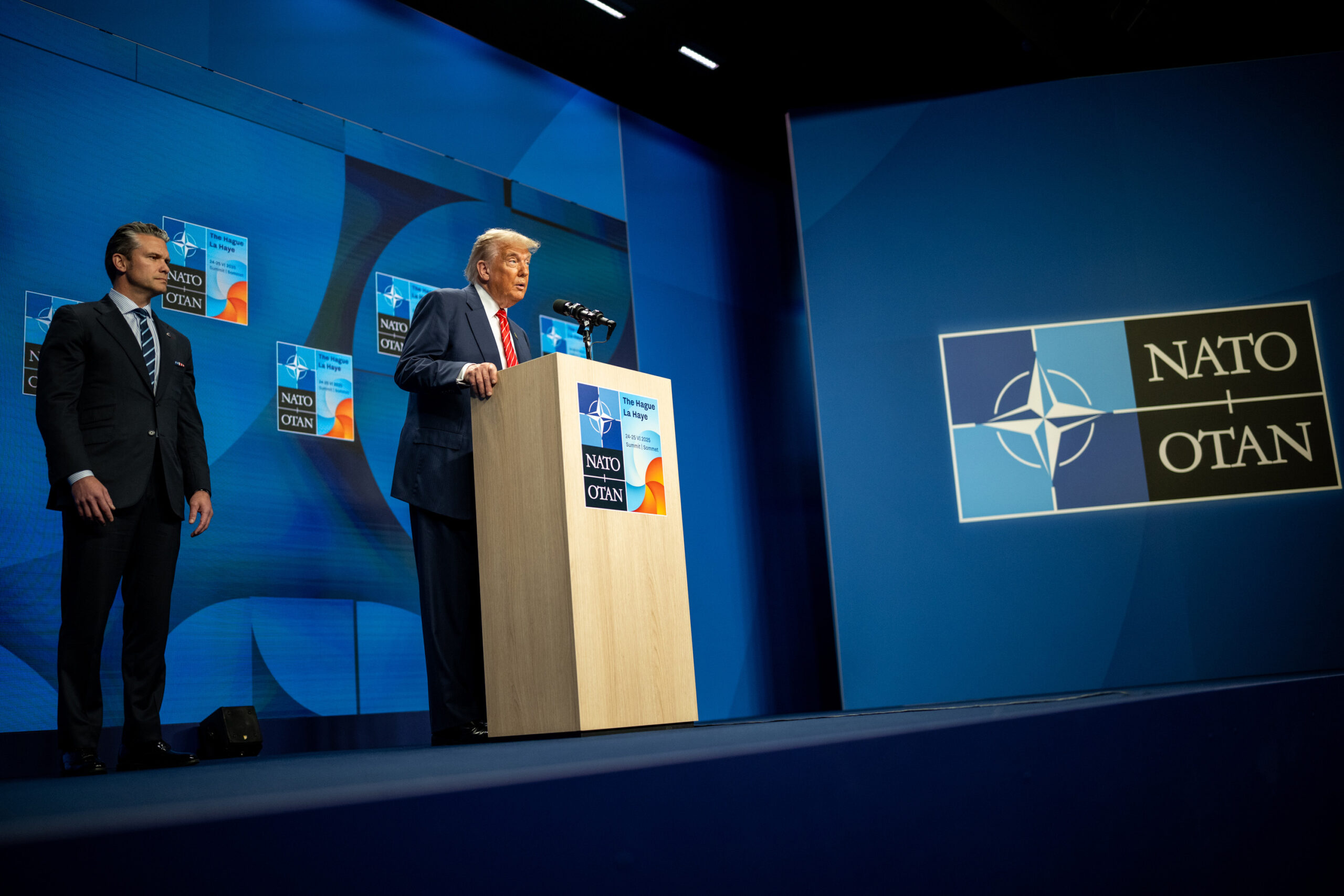
Trump’s timing isn’t random either. NATO is gearing up for a major summit next month in Ankara, where the future shape of the alliance — and how much longer the United States foots the bill — will be front and center.
MORE NEWS: Clive Davis, Legendary Music Visionary Behind Whitney Houston, Carrie Underwood, Dies at 94 [WATCH]
This is precisely the kind of fight Trump relishes: forcing America’s so-called friends to finally take responsibility for their own defense.
He already has his War Secretary, Pete Hegseth, running a full-scale force posture review through the War Department.
The results of that review could fundamentally reshape where U.S. forces are based across Europe, and whether certain long-standing commitments still make sense. Given Trump’s history of cutting through bureaucratic sludge, no one should expect business as usual this time.
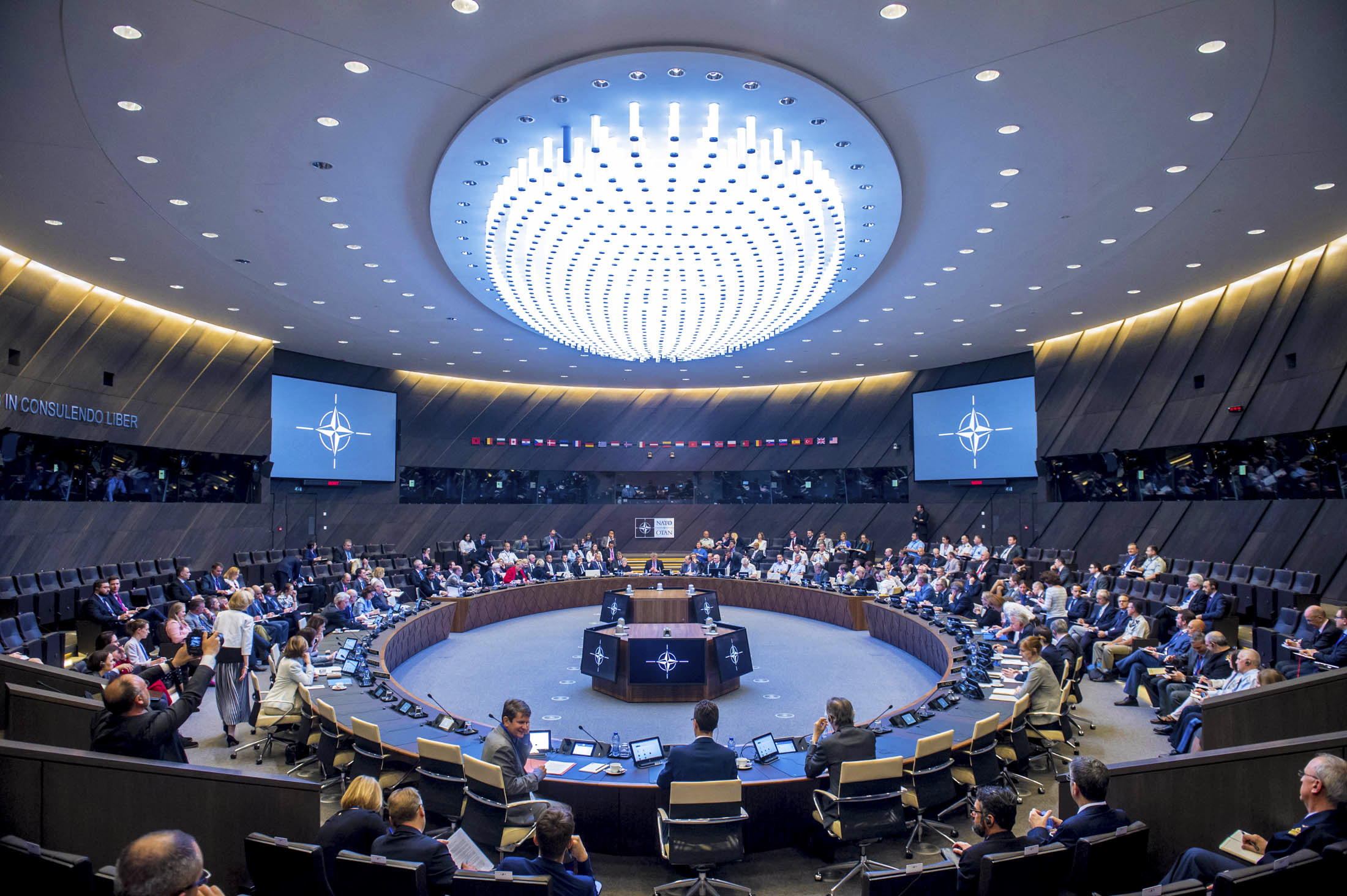
The upcoming meeting with Secretary-General Rutte is expected to set the tone for July’s leaders’ summit.
It could also determine whether the alliance continues its Cold War comfort zone or shifts to a brass-tacks, performance-based model — one where allies are judged by their actions, not their photo-ops. Trump’s first term already rattled NATO, but this round might turn polite diplomatic discomfort into outright panic.
Back in 2018, Trump’s blunt message on defense spending had European elites calling him a bully.
Today, it’s clear he was right. He warned that if Europe didn’t pull its weight, they’d have to face an increasingly aggressive Russia with less help from Washington. Six years and one Russian invasion later, that warning looks prophetic.
MORE NEWS: Austin Metcalf’s Grieving Dad Blows Up Narrative Pushed by The View’s Sunny Hostin [WATCH]
Meanwhile, Trump continues to highlight what everyone knows but few admit: the United States spends astronomical sums on NATO operations, while many member nations still lag far behind on their defense contributions.
He called the current numbers “crazy” and pointed out that when America needed support against Iran, “(allies) weren’t there for us.” That’s not partnership — that’s dependency dressed up as diplomacy.
To their credit, some European states have started increasing their military budgets since Russia’s full invasion of Ukraine in 2022. Still, their spending remains a fraction of what the U.S. puts on the table.
Rutte and other European leaders now talk about taking the lead in defending their own continent, but the question remains whether talk will turn into action — or if they’ll just keep expecting Washington to hold the line.
As it stands, roughly 80,000 American troops remain stationed across Europe. A War Department plan to withdraw 5,000 troops from Germany stirred alarm before it became clear most of those personnel were headed to Poland on a rotational deployment anyway.
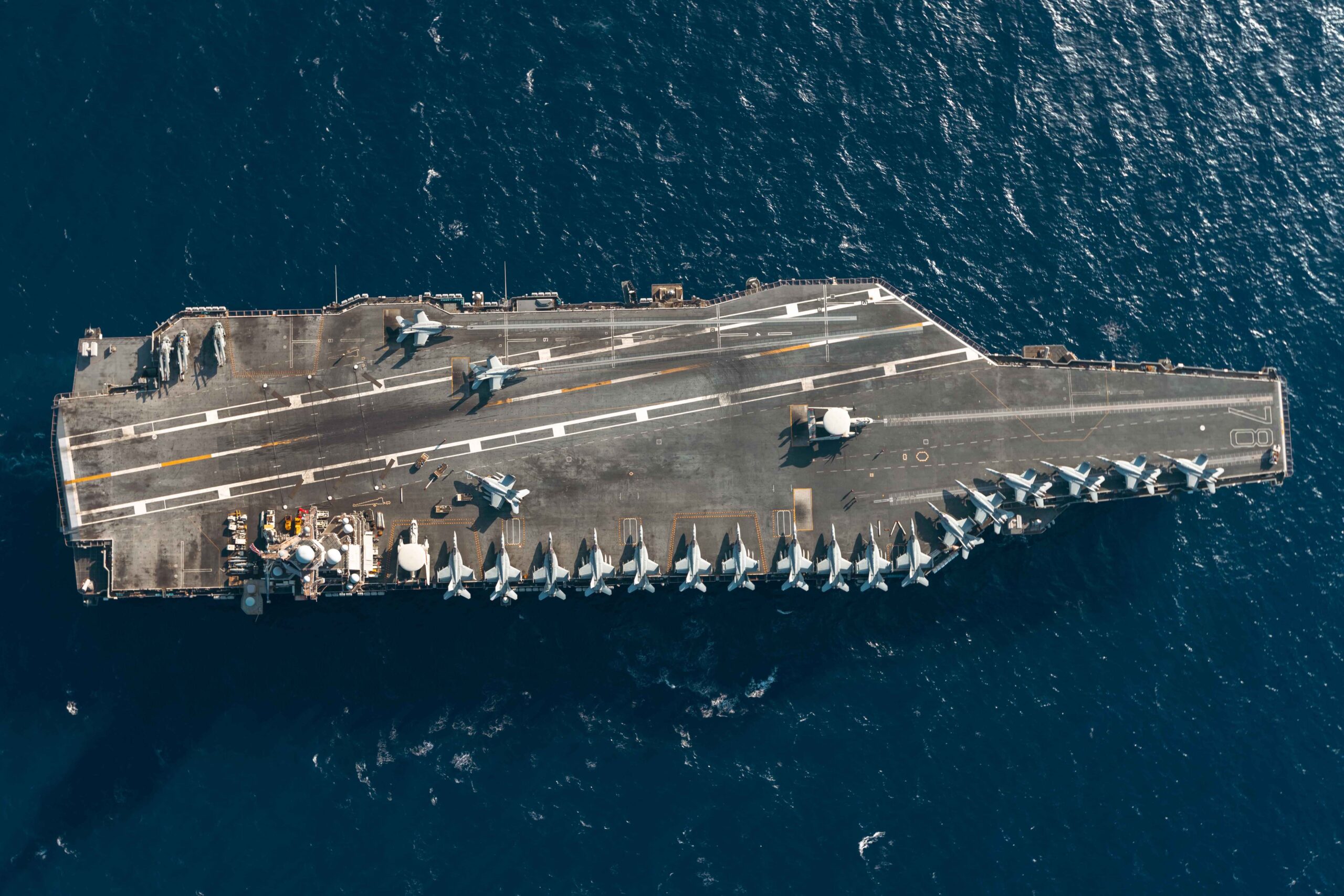
Trump later floated sending an additional 5,000 troops to Poland, a steadfast ally that continues to welcome U.S. strength on its soil.
Poland has made no secret of wanting an even stronger American presence, seeking up to 15,000 U.S. troops as it closely aligns with Trump’s vision of a tougher, more capable NATO.
Meanwhile, elsewhere in Europe, some leaders can’t resist grandstanding and virtue-signaling instead of combating real threats.
If there’s one message Trump is hammering home before this NATO summit, it’s that America will no longer serve as the alliance’s wallet and shield while Europe lectures about “shared values.”
Under his leadership, the United States is reverting to a more muscular, results-driven standard. Allies who deliver will earn respect — and those who don’t may find Washington far less generous moving forward.
The Real MOU: What Trump’s Iran Agreement Actually Says – Truth Thursday | EP 677
The opinions expressed by contributors and/or content partners are their own and do not necessarily reflect the views of LifeZette. Contact us for guidelines on submitting your own commentary.
Join the Discussion
COMMENTS POLICY: We have no tolerance for messages of violence, racism, vulgarity, obscenity or other such discourteous behavior. Thank you for contributing to a respectful and useful online dialogue.