U.S. Central Command confirmed Thursday that the American naval blockade in the Strait of Hormuz has officially been lifted after two months of tight maritime control, but U.S. Navy ships will remain stationed nearby to ensure Iran sticks to the terms of its agreement with President Donald Trump.
CENTCOM’s statement clarified that “American forces are not impeding the transit of vessels to or from Iranian ports” and that “all U.S. military blockade enforcement efforts have ceased.”
The move marks the start of a 60-day ceasefire period, giving both sides a moment to breathe—though, as history proves, Tehran’s pledges sometimes have a short shelf life.
The decision follows President Trump’s signing of an initial peace agreement to end hostilities and reopen the vital waterway.
Here's What They're Not Telling You About Your Retirement
Still, numerous U.S. warships, including several destroyers and the carrier USS Abraham Lincoln, will continue to patrol “in the general area” to make sure, as CENTCOM put it, “that all aspects of the agreement are adhered to, obeyed and in full force and effect.”
Translation: trust, but verify.
Trump had earlier authorized the “immediate removal” of the U.S. naval blockade, but bureaucratic and operational delays kept it in place until he formally signed the agreement in Europe.
Now that the paperwork is sealed, the pressure is on Iran to hold up its end—ending its nuclear pursuit, halting weapons buildup, and accepting a freeze on its assets as they become unfrozen by international banking systems.
This Could Be the Most Important Video Gun Owners Watch All Year
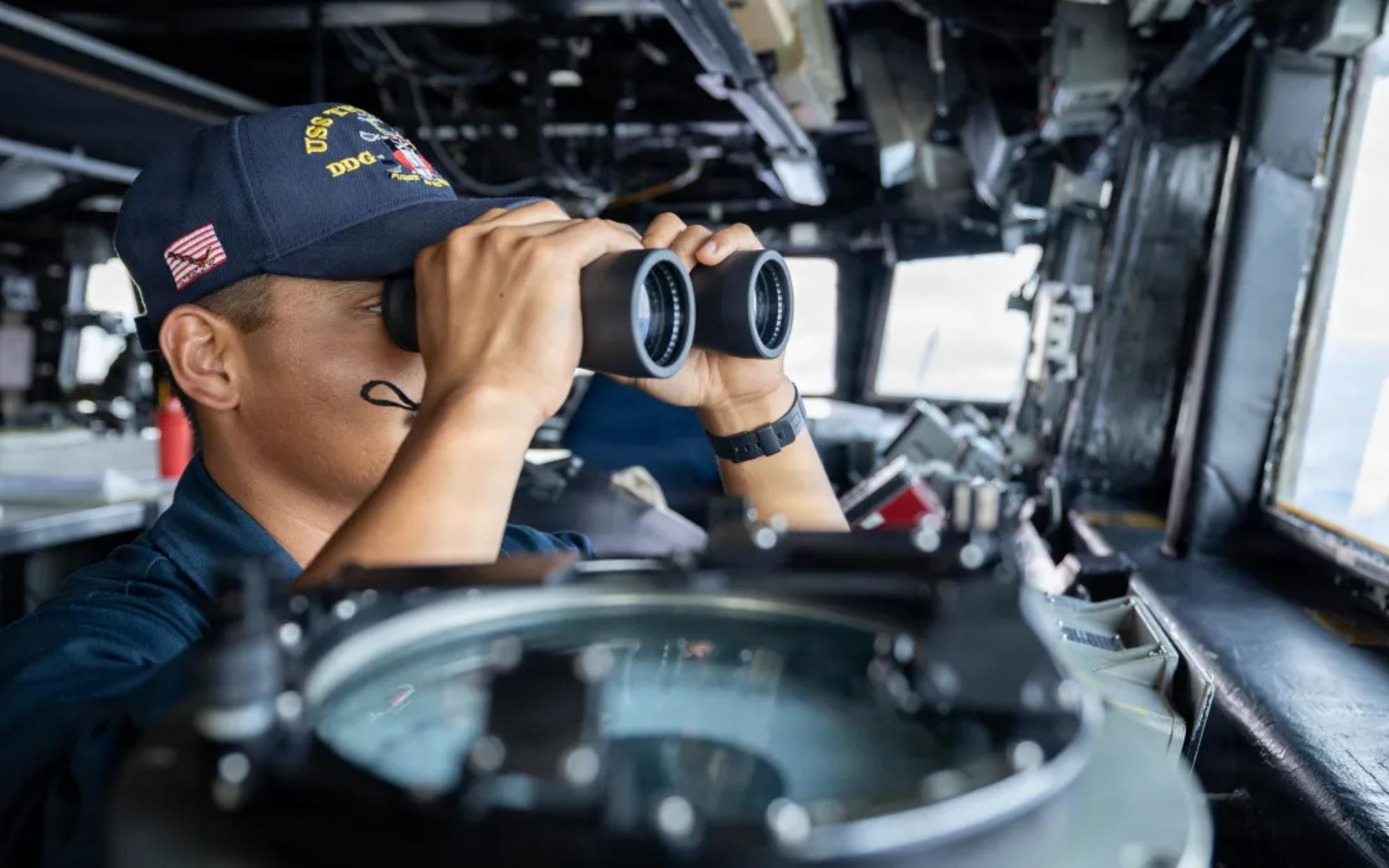
The ceasefire deal does more than reopen one of the world’s most critical chokepoints for global oil—it marks the first major test of Iranian sincerity under Trump’s restructured pressure regimen.
For weeks, President Trump warned that while the U.S. is ready for dialogue, it is also fully prepared to return to “bombing Iran” should Tehran break faith or threaten shipping lanes again. That warning was echoed at the recent Group of Seven summit, where allies privately admitted American resolve has restored deterrence after years of drift.
In the early phase of the war, Iran clamped down on global shipping transiting through the Strait of Hormuz, throttling the flow of oil and chemicals, and sending energy prices into a tailspin.
That blockade eventually drew a firm response from CENTCOM, which led to the U.S. Navy sealing off Iranian ports by mid-April and tightening the maritime chokehold until Iran blinked.
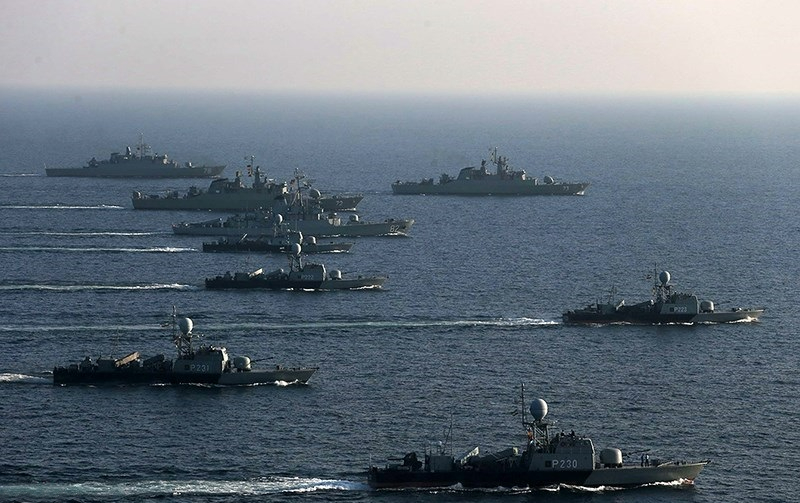
Over the two-month blockade, more than 15,000 U.S. troops were deployed to enforce control and monitor the movement of vessels.
CENTCOM commander Adm. Brad Cooper confirmed that U.S. forces “redirected 142 commercial ships attempting to cross into Iranian waters” and “disabled nine vessels” that defied enforcement orders. That show of force served as a clear reminder of U.S. naval dominance and capability when push comes to shove.
The operations were not without consequence. According to CENTCOM, some blockade enforcement actions involved firing warning shots and, when ignored, striking ships directly.
Marines and Navy boarding teams conducted multiple interdictions, seizing several illegal cargoes and capturing crews attempting covert supply runs to Iran’s military facilities.
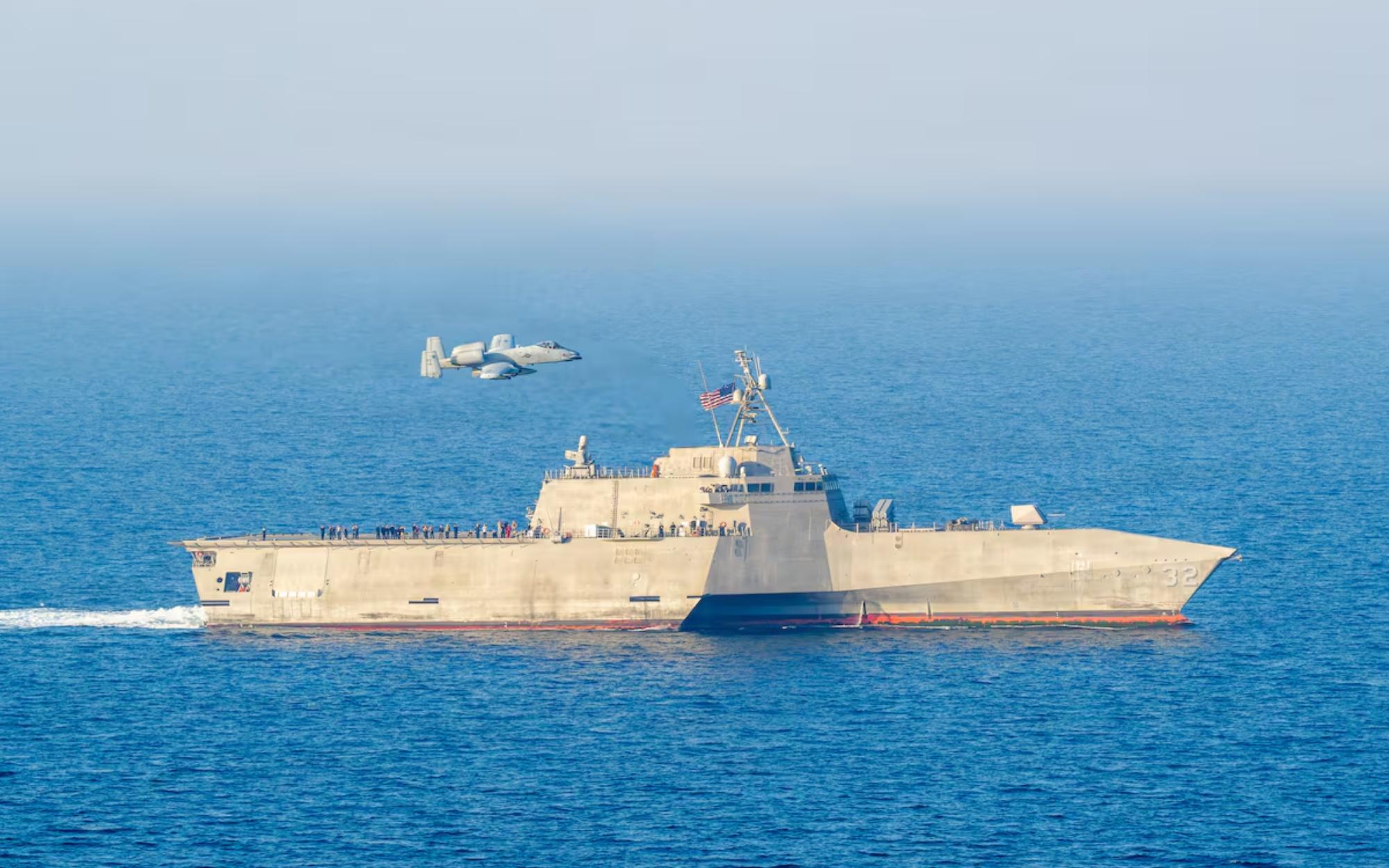
On June 11, one of those operations turned deadly when U.S. forces struck the M/T Settebello, killing three Indian sailors aboard.
Though tragic, U.S. officials maintained that the ship had repeatedly ignored orders and was carrying restricted materials headed toward Iranian-controlled docks. The incident underscored the deadly seriousness of maritime control in contested waters.
Now, with the blockade lifted, global shipping operators are cautiously optimistic about resuming normal passage through the Strait. Yet few are under illusions—the region remains a tinderbox, and even a single provocation could reignite hostilities.
For Trump’s team, the test lies in maintaining peace without compromising strength. Keeping the Navy’s footprint in the area signals both confidence and readiness.
It demonstrates that America can show restraint when warranted while simultaneously warning Tehran that any violation of the agreement will be met with overwhelming power.

The Navy’s presence is not just about deterring Iran but also about reassuring allies across the Persian Gulf that U.S. strength remains anchored in the region.
Oil markets, energy traders, and military analysts alike recognize that when American carrier groups patrol contested waters, global commerce breathes easier.
CENTCOM’s announcement concludes with a blunt reminder: the mission around the Strait of Hormuz isn’t finished—it’s simply entered a new phase.
The transition from blockade enforcement to ceasefire observation may define the next chapter of U.S. strategy in the Middle East, one built on deterrence, not dependency.
And if Tehran forgets who controls the sea lanes, the USS Abraham Lincoln and her battle group will be there to jog their memory.
The Real MOU: What Trump’s Iran Agreement Actually Says – Truth Thursday | EP 677
The opinions expressed by contributors and/or content partners are their own and do not necessarily reflect the views of LifeZette. Contact us for guidelines on submitting your own commentary.
Join the Discussion
COMMENTS POLICY: We have no tolerance for messages of violence, racism, vulgarity, obscenity or other such discourteous behavior. Thank you for contributing to a respectful and useful online dialogue.