WHAT YOU NEED TO KNOW
- The Royal Navy operates five anti-submarine warfare frigates despite a stated requirement for eight.
- Britain’s frigate shortage weakens its response to Russian submarines and underwater sabotage in the High North.
- Redirecting two British Type 26 frigates to Norway could delay meeting the eight frigate requirement until 2037.
- The committee requested an assessment of a 2030 High North conflict conducted without U.S. support.
Britain’s Royal Navy has a “serious anti-submarine warfare gap” that weakens the country’s ability to answer threats from Russian submarines and underwater sabotage, according to a parliamentary committee examining defense in the High North.
The Navy currently operates only five Type 23 frigates configured for anti-submarine warfare, despite a stated requirement for eight. Analysis cited by the Defence Committee indicates the number of frigates carrying towed array sonar could remain stuck at five for the next three years.
Those frigates are considered “critical” for locating Russian submarines in the High North and British home waters. They also help protect the U.K.’s ballistic missile submarines, which provide the country’s nuclear deterrent, as they enter or leave their base at Faslane, Scotland.
“Although new frigates will eventually join the fleet in sufficient numbers, the current fleet readiness picture raises doubts about whether the U.K. could sustain the maritime tasks required in the High North by 2030,” the committee said.
Gold. Upgraded. Buy real gold from $1. Store it in America. Sell it with one click.
Britain has ordered eight Type 26 frigates from BAE Systems for the anti-submarine warfare mission. The lead vessel is scheduled to enter service in 2028, and Minister of State for Defence Luke Pollard said in June that the program remained on track.
Norway said in August 2025 that it would purchase five Type 26 frigates, with delivery beginning in 2030. If two vessels under construction for Britain were redirected to Norway to meet that schedule, the Royal Navy could take until 2037 to field eight frigates equipped with towed array sonar.
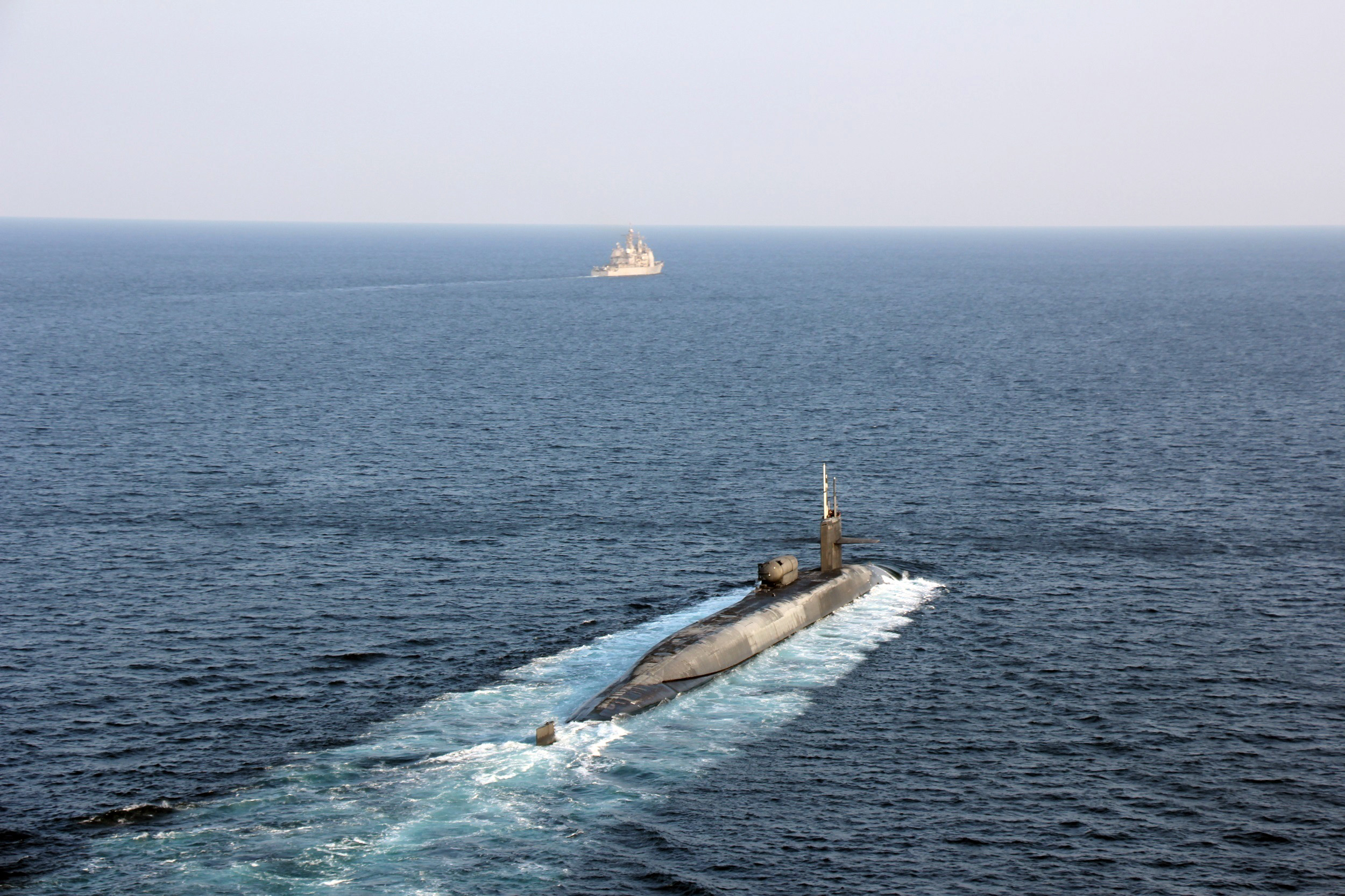
“Export success must not come at the expense of the Royal Navy’s own Type 26 frigate delivery timelines,” the committee said. It called on the government to ensure naval exports expand industrial capacity and allied capability instead of competing with British requirements for ships, systems and skilled labor.
This Could Be the Most Important Video Gun Owners Watch All Year
The committee defined the High North as the greater Arctic and parts of the North Atlantic, a region it said “has become central” to British defense and security concerns. Climate change is increasing access to the region as ice sheets and sea ice melt.
According to the report, greater access is exposing Russian bases that were previously mostly inaccessible. Russia is seeking to defend those facilities while also projecting force into the Atlantic and British territorial waters, threatening NATO supply lines and undersea and onshore infrastructure, including the U.K.’s nuclear deterrent.
The report said the Royal Navy’s lack of a credible capability beneath the ice limits its ability to contest Russian freedom of action in the High North. That gap risks pushing Britain toward a more defensive posture rather than allowing it to challenge Russian activity.
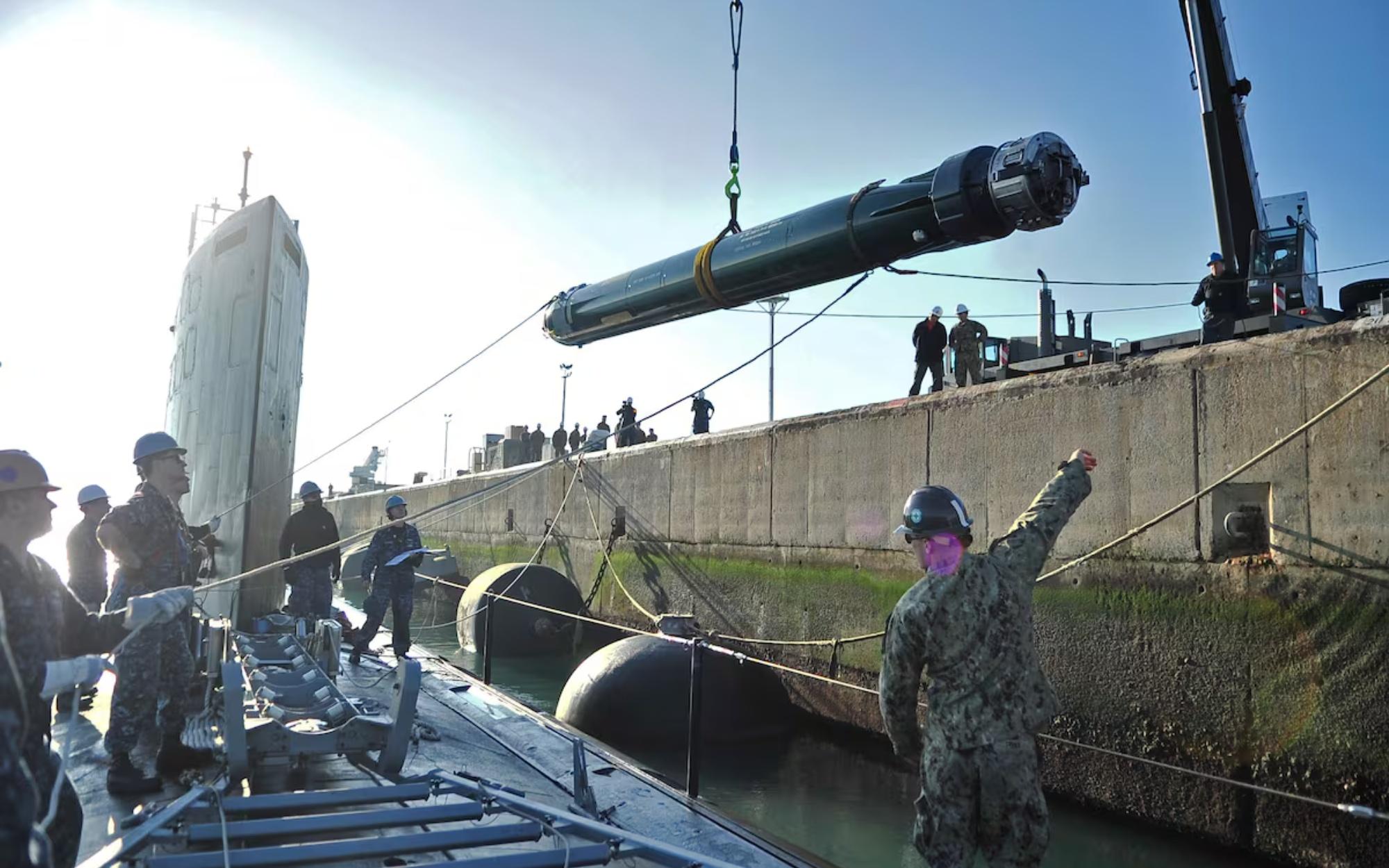
Committee members asked the government for a briefing on efforts to restore a capability beneath the ice for at least some Astute-class nuclear-powered attack submarines. The report identified anti-submarine warfare frigates and nuclear-powered submarines as the strongest deterrent against Russian submarines and underwater sabotage.
Those assets, however, “are either aging or too often unavailable due to maintenance issues,” the committee said. It argued that leading an effective coalition would require Britain to address “glaring gaps” in maritime force availability and agree on a plan with European allies for the High North from 2030.
The committee also requested a classified Ministry of Defence assessment of capability gaps during a possible 2030 conflict in the High North. The requested scenario would have Britain and its allies operating without support from the United States.

“Royal Navy equipment readiness and platform numbers in particular are currently far worse than the government’s stated requirements,” the report said. Britain requires 13 frigates and six destroyers, but only five Type 23 frigates and six Type 45 destroyers are in service.
The report also warned against allowing the Hybrid Navy program, which combines crewed and uncrewed vessels, to become a substitute for crewed capability before autonomous systems prove themselves in harsh Arctic conditions. It described the High North as “an exceptionally demanding environment” for those systems.
Gold is the oldest answer. SoundMoney makes owning it as easy as the apps you already use.
The opinions expressed by contributors and/or content partners are their own and do not necessarily reflect the views of LifeZette. Contact us for guidelines on submitting your own commentary.
Join the Discussion
COMMENTS POLICY: We have no tolerance for messages of violence, racism, vulgarity, obscenity or other such discourteous behavior. Thank you for contributing to a respectful and useful online dialogue.