WHAT YOU NEED TO KNOW
- Maximum hostile fire pay has doubled to $450 per month, while imminent danger pay has risen to $275 per month.
- The increases are the first changes to special combat pay since 2002.
- Tens of thousands of U.S. personnel remain deployed across the U.S. Central Command area of responsibility.
- The War Department expanded imminent danger pay eligibility after the war with Iran began.
- Since Feb. 28, 861 troops have been wounded and 19 have died, according to the Defense Casualty Analysis System.
Troops serving in combat zones can now receive up to $450 per month in hostile fire pay or as much as $275 per month in imminent danger pay. The new amounts took effect as the war with Iran continues.
The War Department announced the combat pay increases on Oct. 1. They are the first increases to these special payments since 2002 and took effect Thursday, the opening day of the new fiscal year.
Under the policy, the maximum hostile fire payment available to troops has doubled. The maximum amount of imminent danger pay has also increased by $50.
The new rates were detailed in a July 14 memorandum from Timothy Dill, the assistant secretary of defense for manpower and reserve affairs. The changes provide additional compensation for troops serving under dangerous combat conditions.
Gold. Upgraded. Buy real gold from $1. Store it in America. Sell it with one click.
“Those who face combat deserve higher compensation that reflects the risks that they willingly undertake on behalf of our nation,” Undersecretary of Personnel and Readiness Anthony Tata said in a statement on Oct. 1. “Raising imminent danger and hostile fire pays for the first time in two decades is a step toward recognizing that sacrifice.”
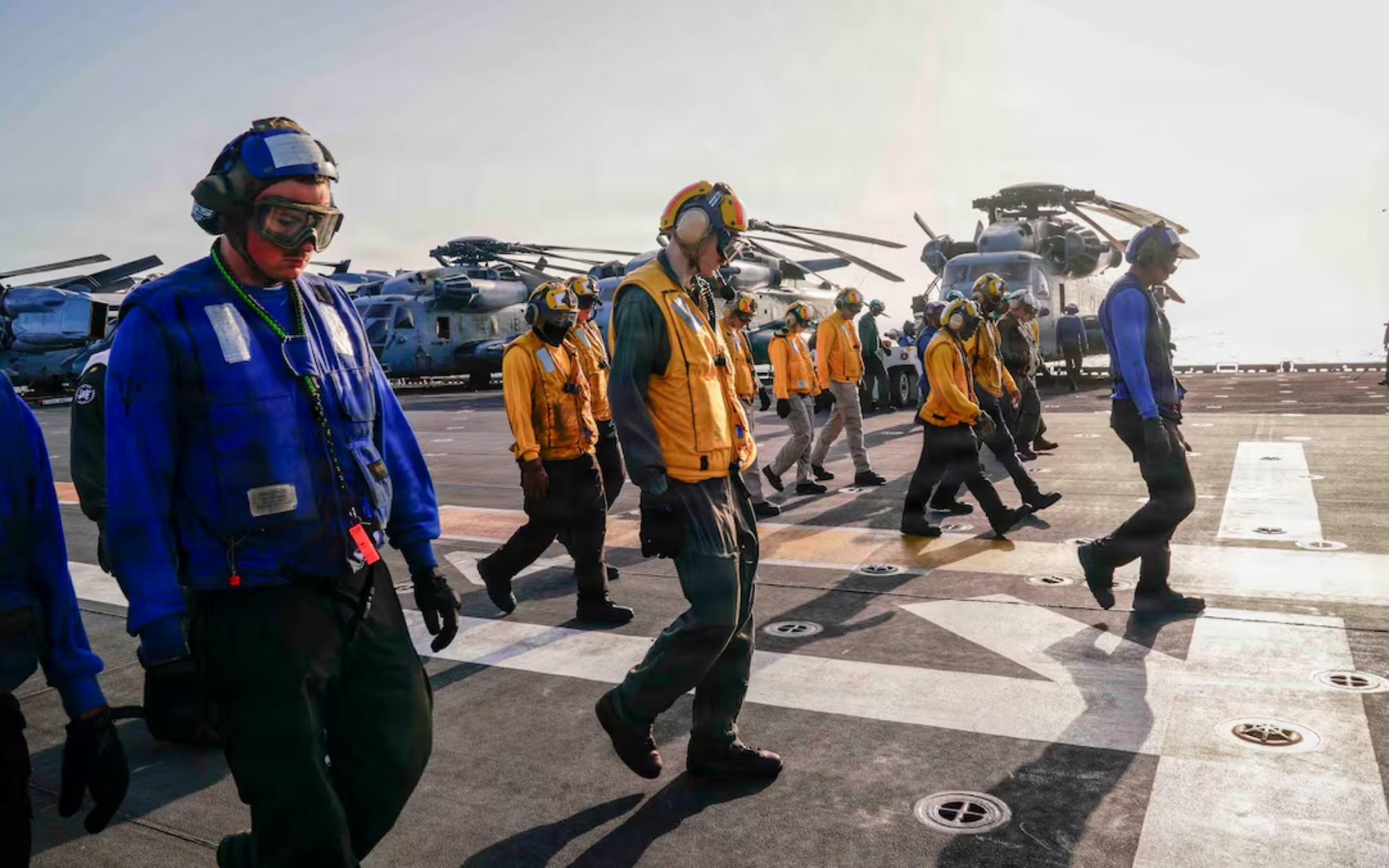
Tens of thousands of U.S. personnel remain deployed across the U.S. Central Command area of responsibility. The military has rotated some units out of the region while extending the deployments of other forces.
Carrier strike groups serving extended tours were among the most notable units rotated out. Other forces, however, have had their time in the region extended as military operations continue.
This Could Be the Most Important Video Gun Owners Watch All Year
The War Department had examined the possibility of raising combat pay earlier in the year, but the proposal was awaiting congressional approval. When the increases were proposed during the spring, officials said the higher payments were “aimed at recruiting and retaining warfighters.”
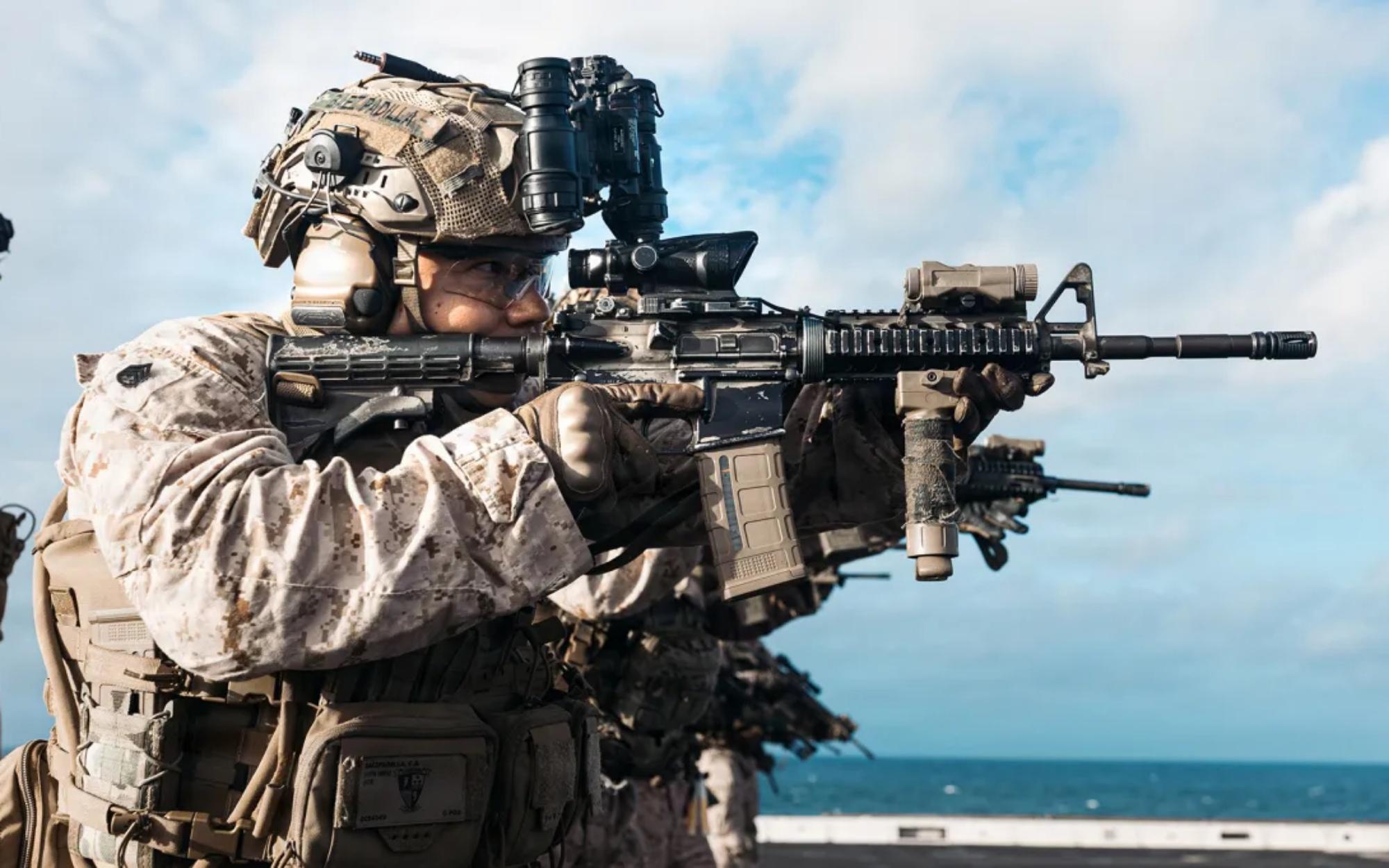
Hostile fire pay is available when a service member’s base or unit is attacked by hostile forces. Troops can also qualify if they are wounded by hostile fire or explosions.
When authorized by a commander, eligible troops receive a lump sum payment of $450 for the month. The payment is tied to exposure to an actual hostile attack or an injury caused by hostile fire or explosions.
Imminent danger pay applies when troops serve in a location that is “subject to the threat of physical harm or imminent danger based on civil insurrection, civil war, terrorism, or wartime conditions in a designated foreign area.” Under the new rates, that payment is prorated at $9.16 per day.
Troops cannot collect hostile fire pay and imminent danger pay during the same month. That restriction remains unchanged under the newly implemented rates.
Soon after the war with Iran began, the War Department expanded the locations eligible for imminent danger pay. The expansion covered areas where troops were supporting Operation Epic Fury.
The additions included the Indian Ocean, Diego Garcia and the Arabian Sea. Bases in several Middle Eastern countries were also added to the list of qualifying locations.
Along with increasing combat pay, the Pentagon is reducing the location based hardship duty payment from $150 per month to $100 per month. The Pentagon cited its policy governing the maximum amounts allowed to be paid out.
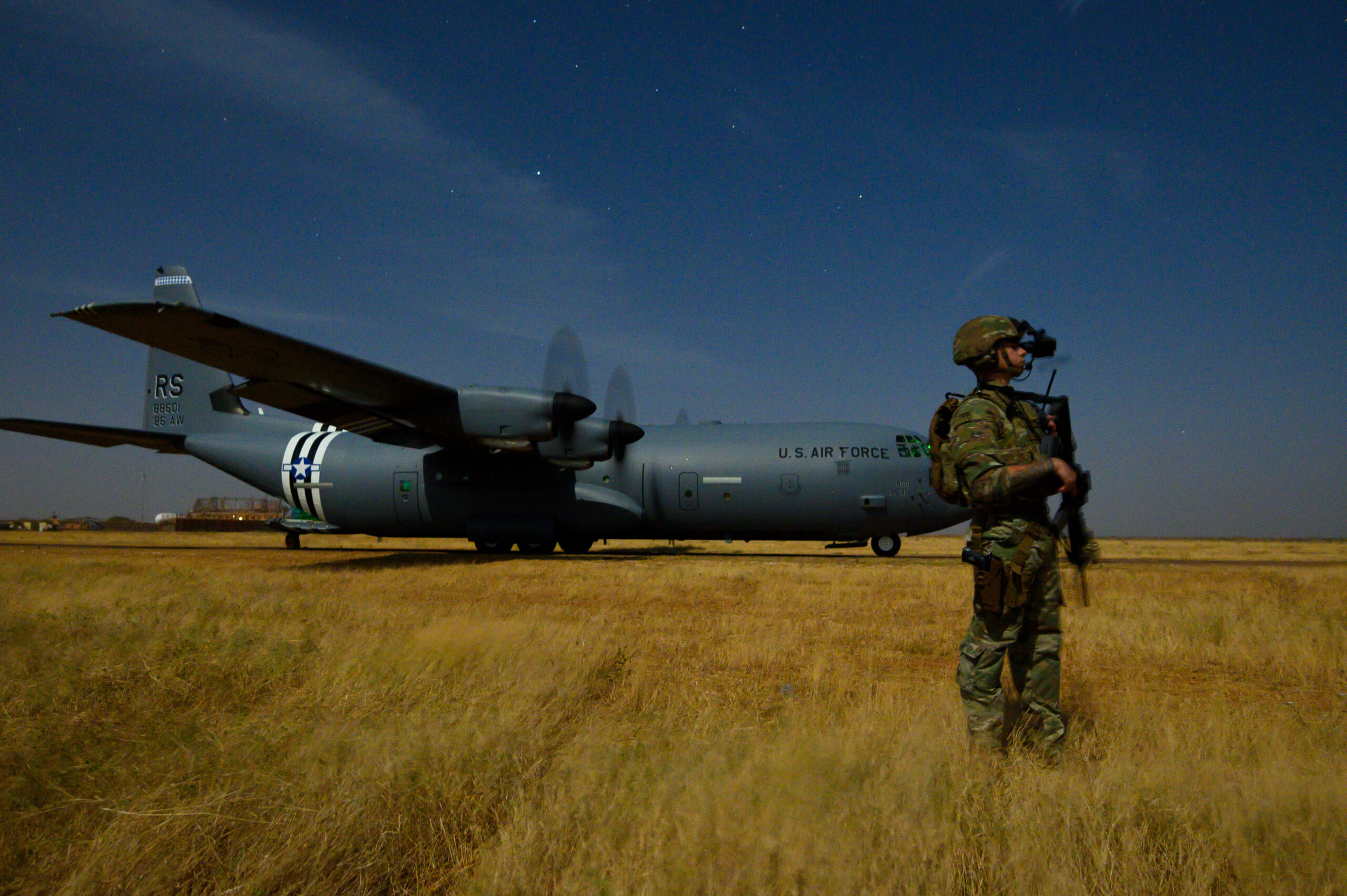
The war has produced hundreds of American casualties since Feb. 28, according to the Defense Casualty Analysis System. Its figures show that 861 troops have been wounded and 19 have died.
More than half of the wounded troops were injured since July 7. The Army accounts for the majority of casualties reported during the war.
MORE NEWS: Sydney Sweeney Meets Rabbis as She and Scooter Braun Get Serious About Marriage and Kids [WATCH]
The combat pay increases now provide larger monthly payments for troops confronting hostile fire and imminent danger. At the same time, the lower hardship duty payment means one separate form of compensation will decline while the two combat related payments rise.
Gold is the oldest answer. SoundMoney makes owning it as easy as the apps you already use.
The opinions expressed by contributors and/or content partners are their own and do not necessarily reflect the views of LifeZette. Contact us for guidelines on submitting your own commentary.
Join the Discussion
COMMENTS POLICY: We have no tolerance for messages of violence, racism, vulgarity, obscenity or other such discourteous behavior. Thank you for contributing to a respectful and useful online dialogue.