WHAT YOU NEED TO KNOW
- A Navy F/A-18F returned to California carrying a broken submarine marking labeled “Sub Buster.”
- The VFA-41 aircraft flew combat missions from the USS Abraham Lincoln during Operation Epic Fury.
- A photographed squadron scoreboard listed 426 munitions, including bombs, missiles and 44 air to air weapons.
- Neither the Navy nor CENTCOM has explained whether the jet attacked an Iranian submarine or supported its destruction.
A Navy F/A-18F Super Hornet returned to California on Oct. 1 carrying an unusual clue from its combat missions in the Iran war. Beneath the cockpit was a submarine split in half and stamped with the words “Sub Buster.”
The submarine appeared above rows of other markings representing bombs dropped by the aircraft. Exactly what the jet did to earn its conspicuous new artwork, however, remains unclear.
The aircraft belongs to VFA-41, the Navy fighter squadron known as the “Black Aces,” based at Naval Air Station Lemoore, California. The squadron operates a modified version of the Navy’s F/A-18F Super Hornet that specializes in bombing ground targets.
Unlike traditional Super Hornet fighters, the aircraft carries a weapons officer in a second seat. VFA-41 deployed with the USS Abraham Lincoln Carrier Strike Group during the last year and participated in Operation Epic Fury.
Gold. Upgraded. Buy real gold from $1. Store it in America. Sell it with one click.
The squadron struck Iranian targets over several weeks during that operation. Photographer Jeff Rojas captured the “Sub Buster” aircraft as it returned to Lemoore following the deployment.
Rojas waited for hours in temperatures approaching 100 degrees Fahrenheit for the squadron’s aircraft to arrive. He said relatively few people gathered near the base to watch the jets return to California.
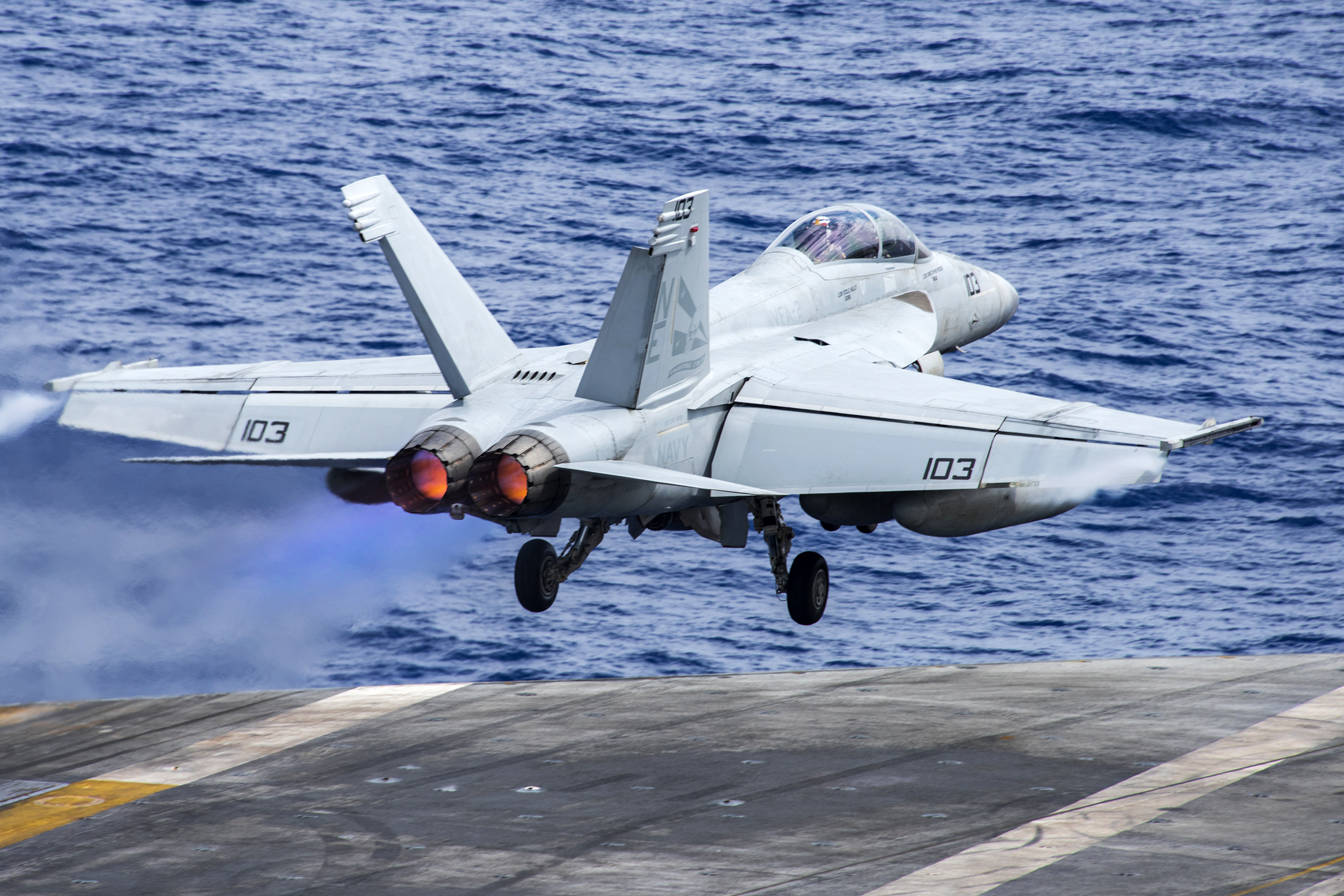
The squadron’s homecoming comes as the USS Abraham Lincoln is expected to return to San Diego this week after nearly a year deployed. The mystery surrounding the submarine marking arrived home with the aircraft.
This Could Be the Most Important Video Gun Owners Watch All Year
Rojas offered a theory about how a Super Hornet could have received such a marking. “I assume that it was dry-docked and they dropped a laser-guided bomb,” Rojas said.
U.S. missiles destroyed several Iranian submarines docked in ports during early bombing. Neither the Navy nor U.S. Central Command has publicly confirmed that Navy bombers participated in those attacks.
The marking stands out because F/A-18Fs are not typically among the Navy aircraft dedicated to submarine hunting. Although Super Hornets can strike targets at sea, specialized aircraft normally handle the work of detecting and tracking submarines, particularly when those submarines are submerged.
Those specialized aircraft include P-8A Poseidons and MH-60R Seahawks. A Super Hornet is not designed to hunt a submerged submarine, but one found on the surface or sitting in port could potentially be attacked as a surface target.
MORE NEWS: The View Cranks Up Midterm Electioneering as Whoopi Warns ‘They Are Trying to Buy Your Vote’ [WATCH]

The Navy referred questions about the marking to U.S. Central Command. The command did not respond to questions from Task & Purpose, leaving the meaning of the broken submarine image publicly unexplained.
Rojas also photographed what appeared to be a squadron scoreboard listing missiles and bombs used during Operation Epic Fury. The tally showed 426 munitions, and TWZ reported on the photograph and the weapons depicted on Friday.
The list included 173 GBU-38s, 52 GBU-31(V)4s, 48 GBU-54s, 41 AGM-154 Joint Standoff Weapons and 38 AIM-9X Sidewinders. It also showed 30 GBU-31(V)2s, 27 GBU-32s, 10 AGM-84K SLAM-ER missiles, six AIM-120 AMRAAMs and one GBU-12.
Several weapons on the list can strike ships and other targets at sea. The scoreboard also indicated that 44 air to air missiles were fired, including 38 AIM-9Xs and six AIM-120s.
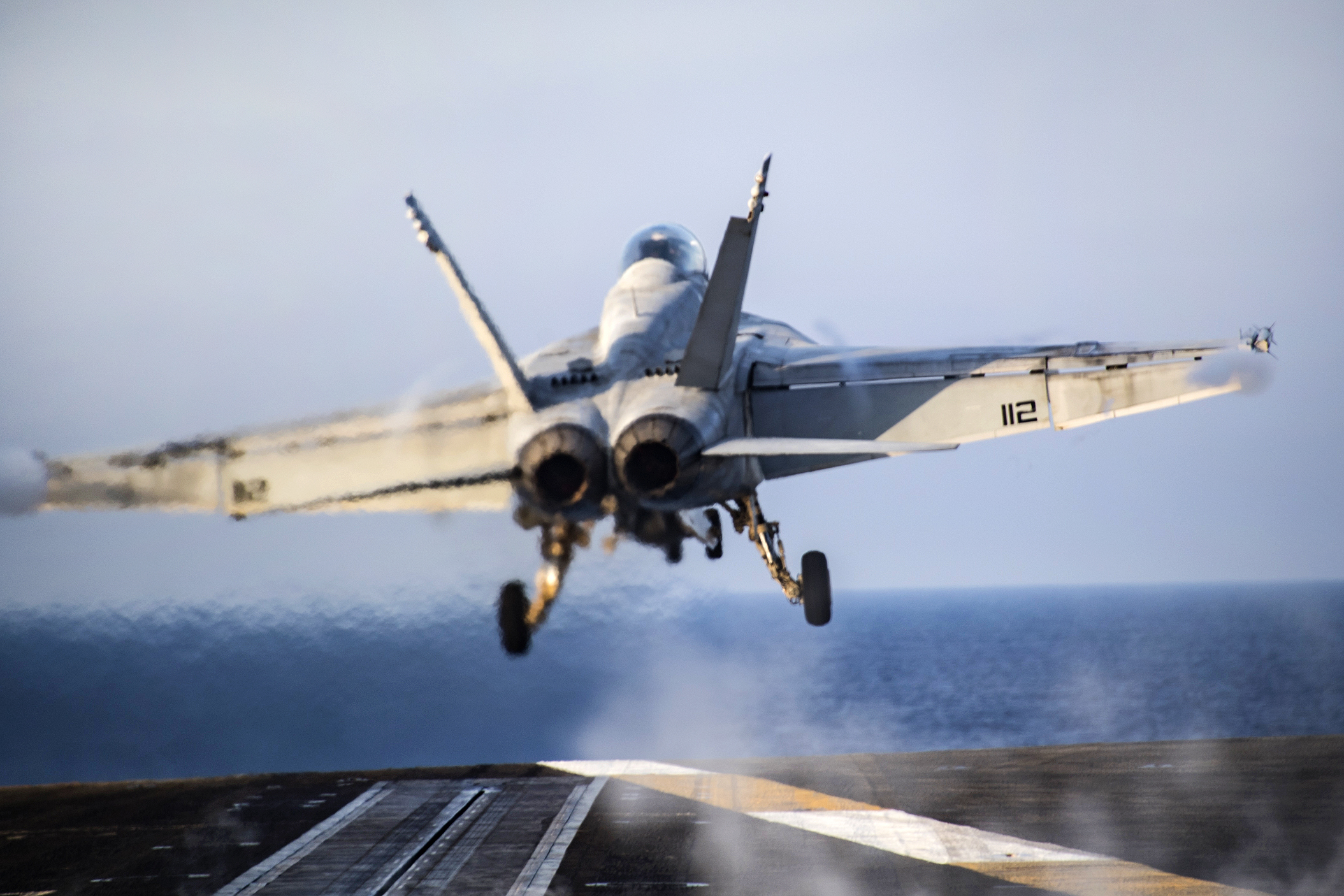
Rojas said some aircraft he photographed returning to Lemoore carried markings representing drones. The tally, however, does not identify which aircraft carried particular weapons or specify the targets those weapons struck.
Neither the Navy nor CENTCOM has said whether the “Sub Buster” aircraft attacked an Iranian submarine itself or performed another role in a submarine’s destruction. For now, the broken submarine painted beneath the cockpit remains one of the few visible clues from the jet’s wartime missions.
Gold is the oldest answer. SoundMoney makes owning it as easy as the apps you already use.
The opinions expressed by contributors and/or content partners are their own and do not necessarily reflect the views of LifeZette. Contact us for guidelines on submitting your own commentary.
Join the Discussion
COMMENTS POLICY: We have no tolerance for messages of violence, racism, vulgarity, obscenity or other such discourteous behavior. Thank you for contributing to a respectful and useful online dialogue.