WHAT YOU NEED TO KNOW
- Marine Corps NMESIS and MADIS systems will deploy to Yonaguni for the first time during exercise Keen Sword.
- Yonaguni sits 110 kilometers from Taiwan, while NMESIS can strike targets at approximately 115 miles.
- Troops from nine countries will join 45,000 Japanese Self Defense Forces personnel from Oct. 19 through Oct. 29.
- Japan will showcase three anti ship missile systems, including the Type-25 with a range of 1,000 kilometers.
- Local officials remain opposed to exercises they believe could exceed the remote island’s capacity.
The U.S. Marine Corps will deploy ground based anti ship and air defense systems to Japan’s southwesternmost island during exercise Keen Sword. The deployment places emerging American and Japanese capabilities on Yonaguni, only 110 kilometers from Taiwan.
Keen Sword, the largest biennial joint drill conducted by the United States and Japan, will feature two major systems used by the Marine Corps littoral force. They are the Navy Marine Expeditionary Ship Interdiction System, known as NMESIS, and the Marine Air Defense Integrated System, known as MADIS.
Yonaguni’s local government disclosed the deployment on Friday. The announcement came one day after the Okinawa Defense Bureau relayed deployment plans on Oct. 1.
This will mark the first deployment of NMESIS and MADIS to Yonaguni. This year’s exercise will focus on ground based operations across multiple islands, with American and Japanese forces distributed throughout the southwestern islands to conduct sea denial missions.
Gold. Upgraded. Buy real gold from $1. Store it in America. Sell it with one click.
The plan reflects a broader American and Japanese move toward mobile missile and air defense systems capable of operating from scattered islands. NMESIS and MADIS are central to the Marine Corps force design modernization and restructuring plan.
That plan shifts the Marine Corps away from heavy armored platforms and toward smaller expeditionary units capable of capturing and defending islands. NMESIS can strike targets at approximately 115 miles and could threaten ships operating in waters around Taiwan.
The reported deployment has drawn criticism from Chinese military experts. At the same time, vessels from China’s PLA Navy and coast guard have increased their activities around Taiwan.
The systems arrived in June with the 12th Marine Littoral Regiment, 3rd Marine Division, which is based in Okinawa. Those units previously deployed to the northern Batanes Islands and western Laoag province in the Philippines during the Balikatan drills.
This Could Be the Most Important Video Gun Owners Watch All Year
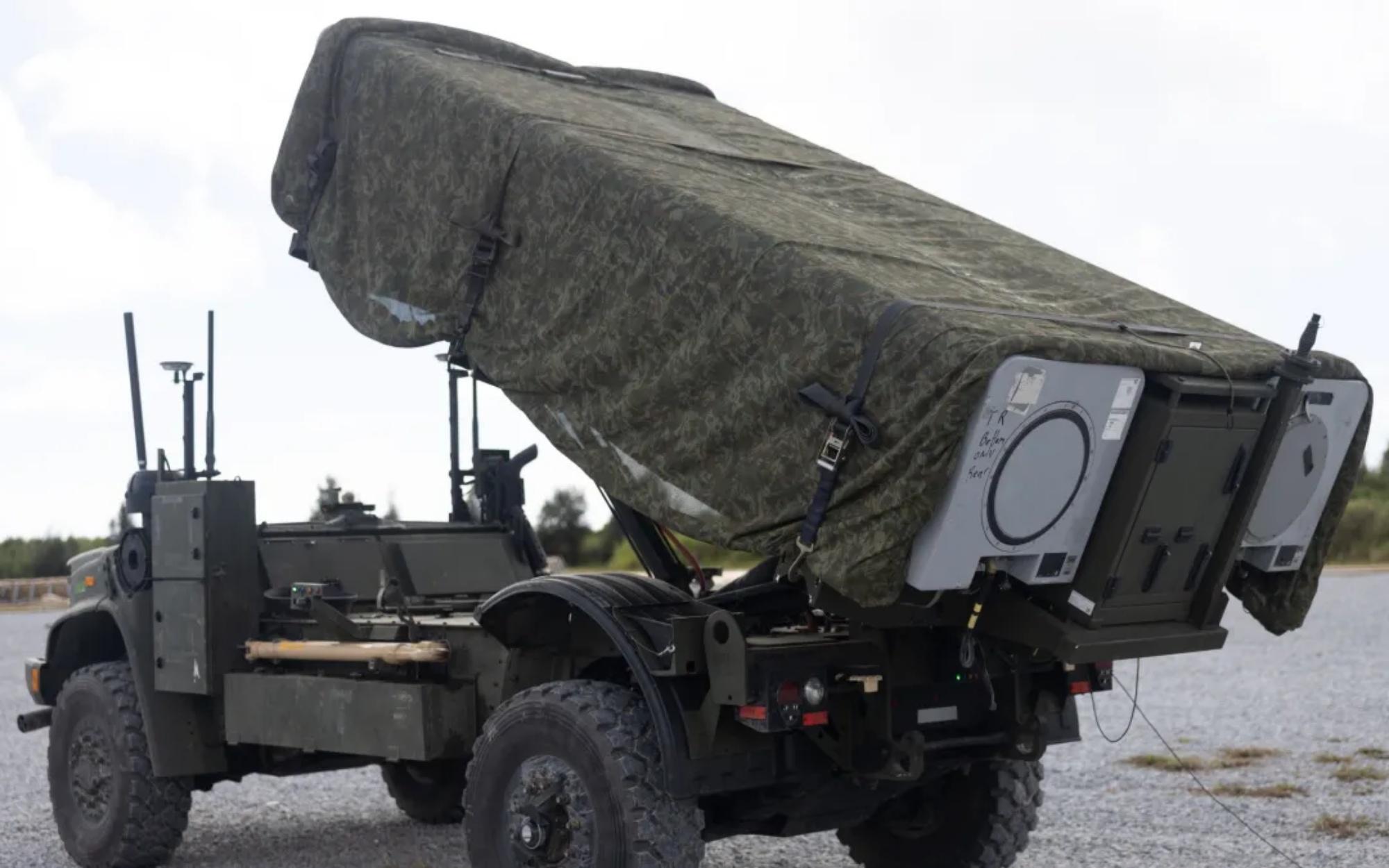
Japan is also testing missile systems that defense officials describe as standoff strike capabilities, meaning they can hit targets far from enemy weapons. The country is strengthening its southwestern islands to support distributed military operations.
According to Japan’s Ministry of Defense, troops from nine countries will participate, including personnel from the Australian and French armies. They will join 45,000 Japanese Self Defense Forces personnel for the exercise, scheduled to run from Oct. 19 through Oct. 29.
Keen Sword will bring together several American and Japanese ground based missile systems. The U.S. Army will deploy High Mobility Artillery Rocket Systems, commonly known as HIMARS, to Camp Ishigaki, approximately 80 miles from Yonaguni.
MORE NEWS: The View Cranks Up Midterm Electioneering as Whoopi Warns ‘They Are Trying to Buy Your Vote’ [WATCH]
The Army’s Typhon missile launcher will also move to Okinawa around the middle of the month. Officials have not disclosed whether the medium range system will be used during the exercise.
In previous versions of the drill, the USS George Washington participated with its carrier strike group. The group was sent to the Arabian Sea in August to replace the USS Abraham Lincoln, which was returning home after a prolonged deployment.
That prominent naval absence is expected to place greater emphasis on a land based network of mobile systems. Last year’s exercises on Yonaguni focused on maximizing the island’s use as a forward operating base.
This year, Keen Sword will showcase three anti ship missile systems operated by Japan’s Ground Self Defense Force. These systems form the core of Japan’s long range standoff strike capabilities.
The Japanese force will train with the new ground launched Type-25 surface to ship guided missile system, previously known as the upgraded Type-12. The Type-25 system, fielded across the Nansei Islands in late March, has a strike reach of 1,000 kilometers.
The weapons lineup also includes the Type-88 ground to ship missile and the upgraded Type 03 Chu-SAM Kai medium range ground to air guided missile. Local government officials said Keen Sword was initially planned as a significantly larger exercise, but opposition pushed the ministry to reduce its scale.
Yonaguni is Japan’s last inhabited island in the Nansei chain of southwestern Okinawa islands. Japanese officials established a radar and surveillance system there in 2016 to address a surveillance vacuum across the waters between Yonaguni and Taiwan.
The island has hosted increasing numbers of joint exercises involving Japanese and American troops while facing incursions by Chinese vessels. In June, Japan reported Chinese Coast Guard ships entering its exclusive economic zone between Yonaguni and Taiwan, while a Chinese ballistic missile landed 80 kilometers from the island in 2022.
Local officials remain concerned about military use of civilian roads, ports and airways. Large equipment will arrive by sea through Kubura Port, and authorities have asked residents to avoid roads while military equipment is being moved.
A Japan Self Defense Forces V-22 Osprey was involved in a ground strike incident during the 2024 exercise. Then defense minister Gen Nakatani subsequently ordered Japan’s 17 Osprey aircraft grounded.
The V-22 Osprey will not participate this year, Yonaguni Mayor Tsuneo Uechi told Mainichi Shimbun on Oct. 2. Uechi said the island understands the need for military training but is not prepared for large scale exercises exceeding its capacity, and the local government remains opposed while continuing talks with the defense ministry.
Gold is the oldest answer. SoundMoney makes owning it as easy as the apps you already use.
The opinions expressed by contributors and/or content partners are their own and do not necessarily reflect the views of LifeZette. Contact us for guidelines on submitting your own commentary.
Join the Discussion
COMMENTS POLICY: We have no tolerance for messages of violence, racism, vulgarity, obscenity or other such discourteous behavior. Thank you for contributing to a respectful and useful online dialogue.