WHAT YOU NEED TO KNOW
- Newsom signed legislation recognizing Eid al-Fitr and Eid al-Adha as California state holidays.
- Schools and colleges may close, but closures are not required, and courts must remain open.
- Republican critics questioned why Newsom signed the Muslim holiday bill before measures protecting Jewish religious observances.
- Newsom later signed the Jewish holiday and student absence measures before the midnight deadline.
California Gov. Gavin Newsom signed legislation formally recognizing Eid al-Fitr and Eid al-Adha as state holidays, making California the second state in the country to recognize both Muslim holidays through statewide legislation.
Newsom signed California Assembly Bill 2017 into law on Sunday, as reported by The New York Post.
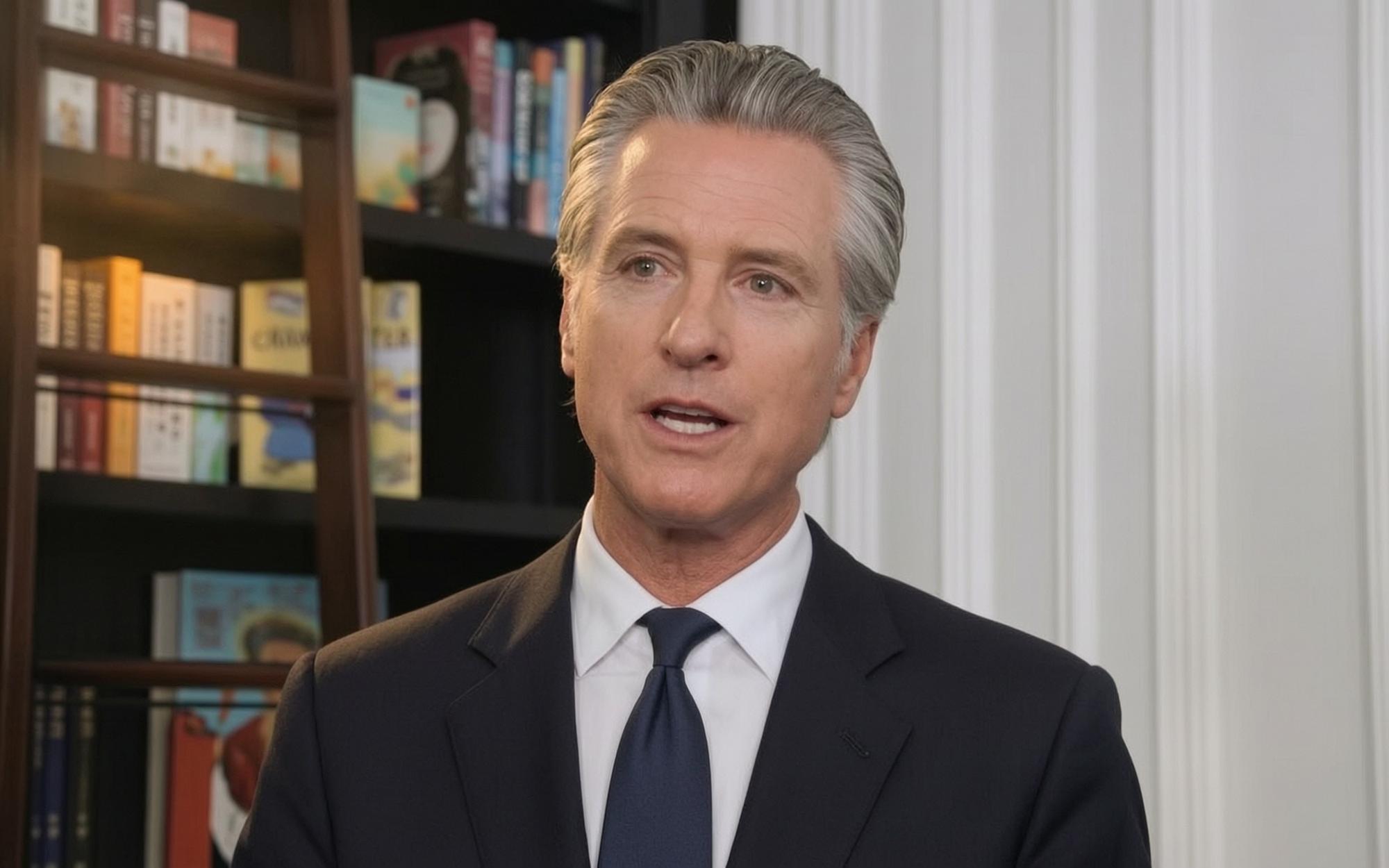
The measure adds both holidays to California’s official list of state holidays. Under the law, public schools and colleges may close for the observances, while state employees may be eligible to observe them.
Gold. Upgraded. Buy real gold from $1. Store it in America. Sell it with one click.
The law does not require schools or businesses to close on either holiday. California courts will also remain open, limiting the scope of the official recognition while still creating new options for public institutions and workers.
Washington state was the first state to approve statewide legislation recognizing both Muslim holidays. California now follows as the second, placing the two observances directly into state law.
The order in which Newsom signed the religious observance bills quickly became a point of criticism.
Before approving AB 2017, the governor had several measures on his desk providing protections and exceptions for other religious holidays, including the Jewish observances Rosh Hashanah and Yom Kippur.
This Could Be the Most Important Video Gun Owners Watch All Year
One of those measures was AB 395, which reached Newsom’s desk days before AB 2017.
The bill codifies Jewish holidays and other observances into state law and directs state agencies and facilities, including schools, to “make every reasonable effort” to avoid scheduling significant functions on those days.
Another measure, AB 1763, guarantees excused absences for K-12 students who miss school because of religious holidays.
Although AB 395 and AB 1763 were introduced and presented to Newsom before AB 2017, he did not sign the additional measures until Wednesday.
Newsom approved both bills before the midnight deadline.
Still, the sequence drew objections from Republican critics who accused the governor of appearing to prioritize recognition of Muslim holidays over legislation providing equal treatment for Jewish observances.
Elizabeth Barcohana, chair of Jewish engagement for the California Republican Party, tied the timing to Newsom’s possible political ambitions.
She criticized his decision in comments to Cleveland Jewish News, also identified as JNS.
“The fact that Newsom chose to sign the Eid law before the law that protected other religious observance speaks volumes about the direction he is moving as he eyes a 2028 run for the presidency,” Barcohana told the outlet Thursday.
Barcohana also argued that the laws could provide Muslim holidays with privileges unavailable to other religious observances, including the possibility that schools could close.
She described that prospect as part of a broader legal shift.
“People may think this is alarmist, but this is an example of American laws adopting a Sharia law framework,” Barcohana told JNS.
She continued by listing what she viewed as unequal accommodations under the new recognition.
“Special protections no other religious observance receives, the option to shut down public institutions to observe the holiday that, until now, only Christian holidays received, and curriculum in public schools that is religious in nature, notably about a religion that emphasizes conversion.”
David Bocarsly, CEO of Jewish California, took a different position and supported Newsom’s actions.
He said he was not troubled by the order in which Newsom signed the measures because all three ultimately became law.
“With more than 1,000 bills in front of him this past month, we aren’t concerned with the sequencing of Assembly Bill 395 and Assembly Bill 1763, as long as they got signed, and they did. We’re thrilled to see these two critical religious freedom protections become law and to recognize three Jewish holidays in California statute for the first time."
Jewish California also celebrated Newsom’s approval of SB 1387, legislation recognizing Jewish identity as an ethnicity.
That measure joined the broader group of religious and identity-related bills signed by the governor.
The legislation leaves California with official recognition for the two Muslim holidays, new statutory recognition for Jewish holidays, and excused religious absences for students.
Fox News Digital contacted Newsom’s office for comment but did not immediately receive a response.
Gold is the oldest answer. SoundMoney makes owning it as easy as the apps you already use.
Join the Discussion
COMMENTS POLICY: We have no tolerance for messages of violence, racism, vulgarity, obscenity or other such discourteous behavior. Thank you for contributing to a respectful and useful online dialogue.