WHAT YOU NEED TO KNOW
- Cannon troops lost at least 5,000 duty days in 2025 while traveling for medical care, sometimes as far as 350 miles each way.
- The Defense Health Agency spent $28 million on outside medical care for Cannon during fiscal years 2024 and 2025.
- Cannon recorded approximately 12,400 outside referrals and approximately $587,000 in reimbursable patient travel expenses during 2025.
- GAO found healthcare, childcare, recreation, staffing, and other support problems across nine remote and isolated installations.
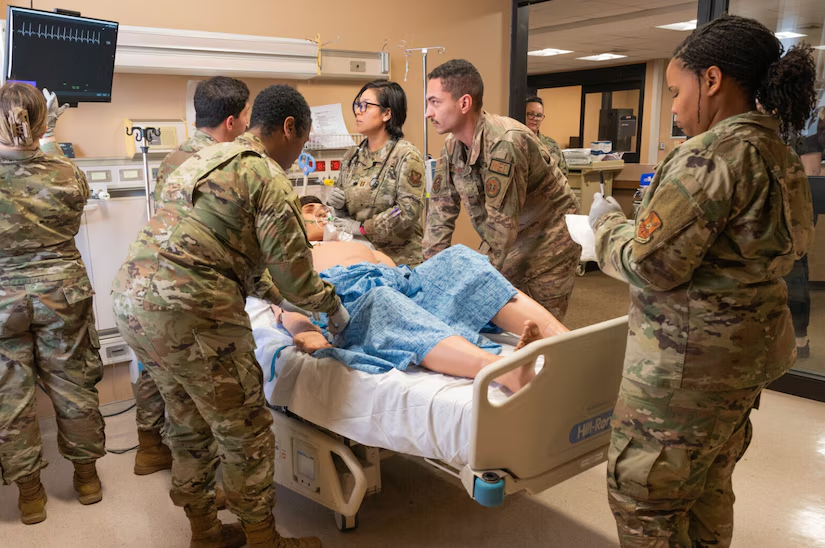
Troops stationed at Cannon Air Force Base lost at least 5,000 duty days in 2025 because they had to travel long distances for medical treatment, according to a new Government Accountability Office report. Some service members traveled as far as 350 miles each way to obtain care.
The travel burden carried a substantial financial price. Cannon officials reported that the Defense Health Agency spent $28 million on medical care outside the installation during fiscal years 2024 and 2025.
In 2025 alone, Cannon generated approximately 12,400 referrals to healthcare facilities outside the military health system. The installation also recorded approximately $587,000 in reimbursable patient travel expenses because the necessary services were unavailable on base or in the immediate area.
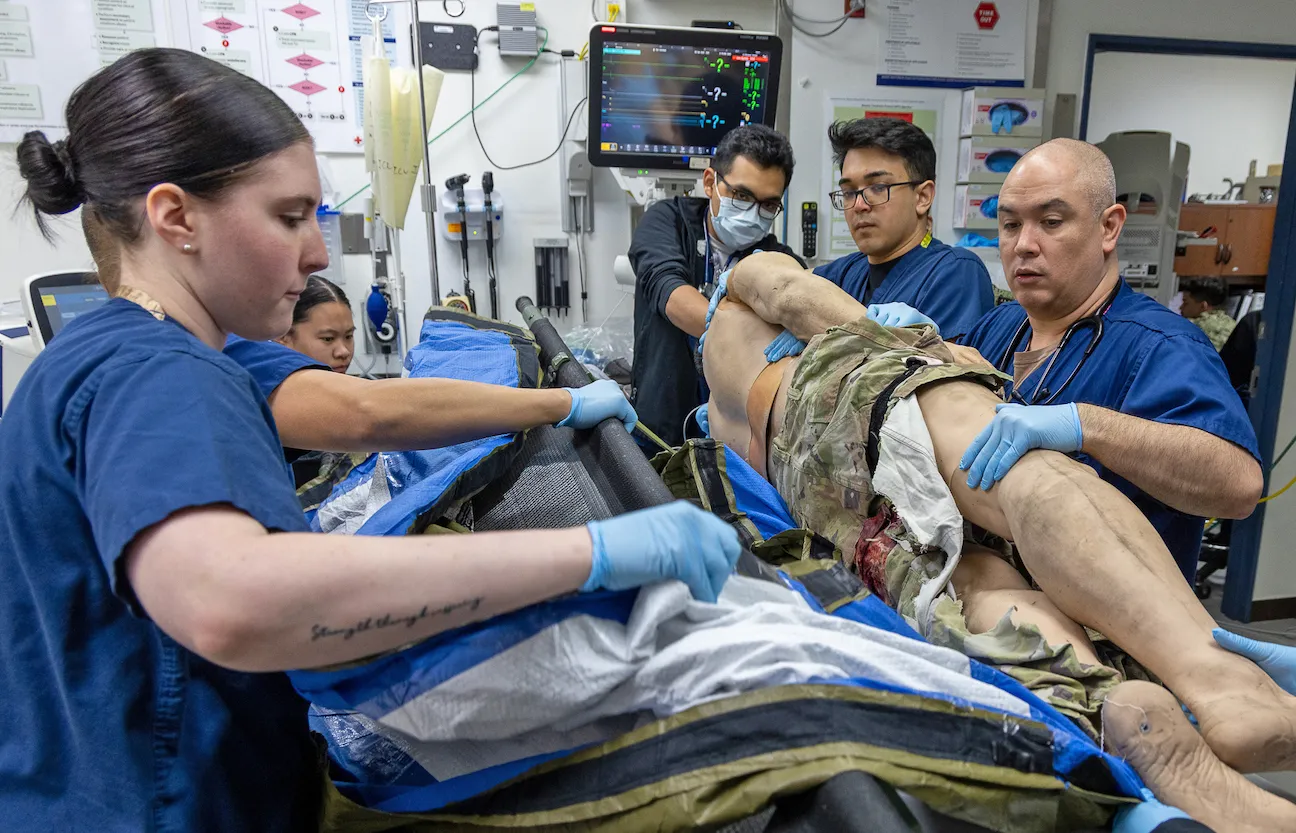
Those numbers illustrate how missing medical services can pull personnel away from their duties while forcing the government to pay for outside treatment and travel. GAO found that limited healthcare access can affect readiness through lost duty hours, potentially affecting the operational mission.
Gold. Upgraded. Buy real gold from $1. Store it in America. Sell it with one click.
MORE NEWS: Anaheim Mayor Accused of Turning City Hall Into a Booze Fueled Circus of Slurs and Harassment
The Cannon findings came from a broader GAO examination of nine remote and isolated installations. The sample was not designed to be generalized, but investigators identified challenges involving healthcare, childcare, housing, education, recreation, and other critical support services.
Every installation visited by GAO reported problems with the availability and administration of comprehensive healthcare. Common obstacles included difficulty recruiting qualified civilian workers, shortages of medical services in nearby communities, and a lack of medical specialties on installations.
At Cannon, officials blamed compensation for at least part of the staffing trouble. They told investigators that pay offered for healthcare positions was too low to attract qualified personnel, leaving the installation without enough services to meet local needs.
This Could Be the Most Important Video Gun Owners Watch All Year
The personnel shortage was not confined to clinics and medical offices. Officials at every installation with a dependent population identified adequate staffing for childcare positions as a major challenge.
Staffing shortages also disrupted morale, welfare, and recreation programs across the installations reviewed by GAO. The shortages resulted in reduced program offerings, shorter operating hours, or complete facility closures, further limiting support available to military communities.
Cannon officials additionally reported retention rates below the service average. They attributed those rates in part to problems with the availability of critical support services, although GAO did not determine that medical travel itself caused lower retention.
That distinction matters because the watchdog documented a serious readiness concern without drawing a causal conclusion its review did not establish. What GAO did find was that inadequate healthcare at an installation can consume duty hours and potentially interfere with the operational mission.
Officials at every installation visited told investigators that service members and civilian employees routinely needed time away from work to obtain medical care elsewhere. In many cases, the trip required at least one full day or more, turning routine healthcare needs into lost working time.
The review also exposed an administrative gap inside the War Department. GAO found that the department does not use a consistent definition for determining what qualifies as a remote and isolated installation.
As of May 2026, the Army and Navy had completed their processes for designating remote and isolated installations. The Department of the Air Force and the Space Force had chosen not to establish formal designations at that time.
Air Force officials told GAO that making additional designations under the existing criteria would provide limited value. They said the guidance does not grant additional authorities, including more resources or exceptions to policy, to installations that receive the designation.
The Air Force also reported that its analysis found critical support service shortages were systemic throughout the service rather than limited to remote and isolated locations. For Cannon personnel, however, the documented result in 2025 was unmistakable: thousands of duty days consumed by long trips for medical care that was not available nearby.
Gold is the oldest answer. SoundMoney makes owning it as easy as the apps you already use.
The opinions expressed by contributors and/or content partners are their own and do not necessarily reflect the views of LifeZette. Contact us for guidelines on submitting your own commentary.
Join the Discussion
COMMENTS POLICY: We have no tolerance for messages of violence, racism, vulgarity, obscenity or other such discourteous behavior. Thank you for contributing to a respectful and useful online dialogue.