WHAT YOU NEED TO KNOW
- The Air Force says it needs 1,509 combat coded fighters by 2035.
- F-35s would comprise about 40% of the fleet, while F-22s and F-47s would account for about 20%.
- The fiscal 2027 request seeks 38 F-35s and 24 F-15EXs, short of the service’s stated annual target of 72 fighters.
- The separate force of 500 Collaborative Combat Aircraft planned by 2032 could eventually reduce fighter requirements.
The U.S. Air Force says it will need 1,509 fighters assigned to combat units by 2035, laying out a major force structure target for the next decade. The figure covers combat coded aircraft and appears in a new report the service sent to Congress on Oct. 16.
Lt. Gen. David Tabor, the Air Force’s deputy chief of staff for plans and programs, discussed the report during an Oct. 20 Pentagon roundtable with reporters, according to Air & Space Forces Magazine. Reporters did not receive a copy of the report.
The service also did not respond to a request for the document by publication. That leaves Tabor’s remarks and the figures he cited as the available outline of how the Air Force expects its fighter inventory to look in 2035.
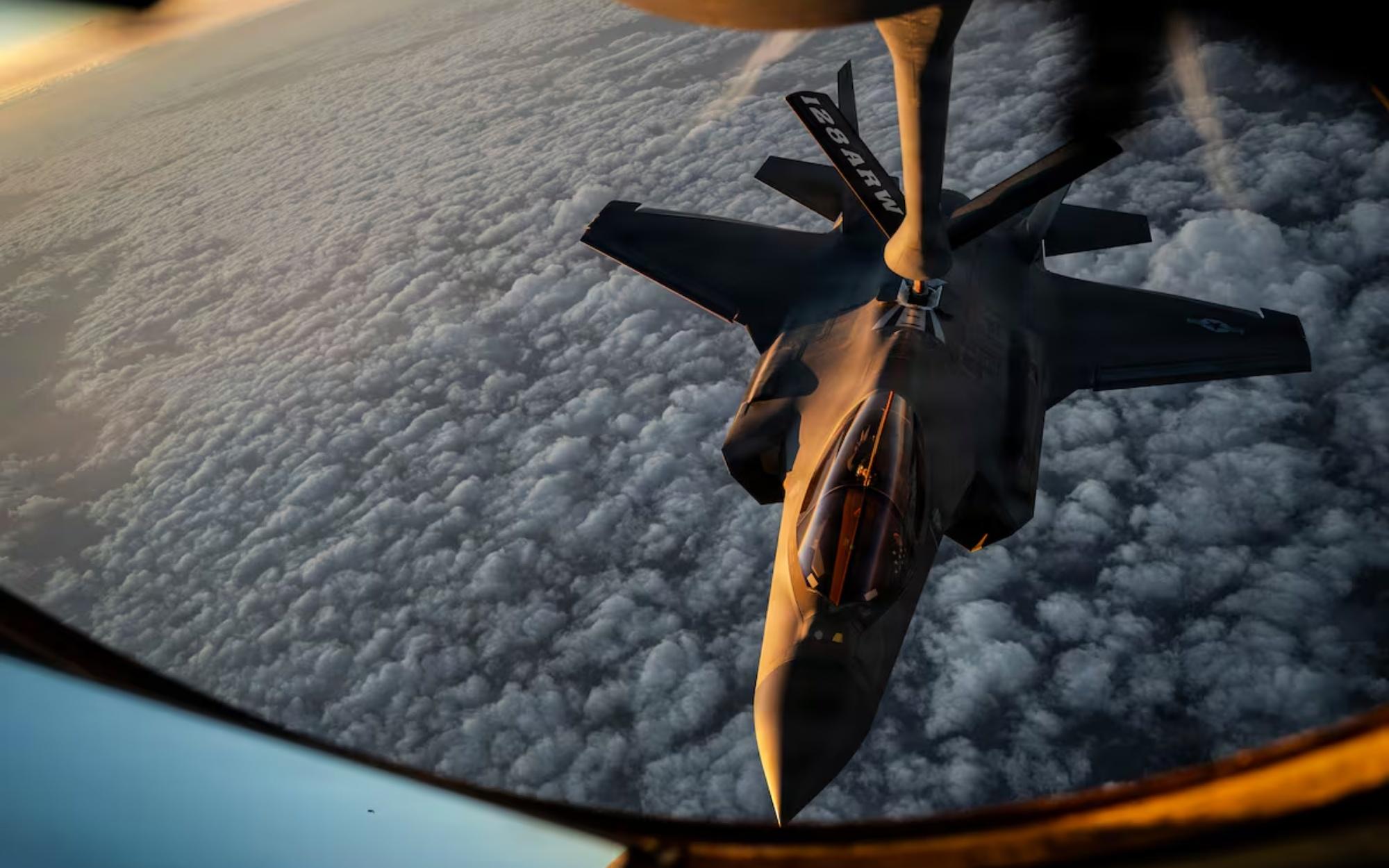
Under the plan, F-35s would account for about 40% of the fighter fleet by 2035. That would represent an increase from about 30% today, giving the aircraft the largest single share of the planned force.
Gold. Upgraded. Buy real gold from $1. Store it in America. Sell it with one click.
F-22s and their planned replacement, the F-47, would together make up about 20% of the fleet. Tabor said the Air Force plans to replace its F-22s with approximately the same number of F-47s.
F-15s and F-16s would divide the remaining 40% about evenly. The calculations do not include A-10s, which are not currently part of the Air Force’s force structure plans for 2035.

Tabor said the analysis was based on what regional commanders reported they would need to complete their missions at medium risk. The military measures risk across four levels identified as low, medium, significant and high.
This Could Be the Most Important Video Gun Owners Watch All Year
At the medium risk level, forces would likely accomplish their assigned goals, according to the explanation provided in the source. However, those forces could face strain during long operations, making the 1,509 aircraft target central to the service’s planning assumptions.
The analysis began before this year’s war with Iran and was not driven by that conflict, Tabor said. He also cautioned that the 1,509 figure could change as world events, emerging requirements and new technology reshape Air Force needs.
Reaching the stated goal will depend on Congress providing money for the aircraft and on Lockheed Martin and Boeing producing them on schedule. Tabor said industry has “assured us that they can, and we believe them,” according to Air & Space Forces Magazine.
MORE NEWS: Leavitt Delivers Blunt Verdict on Zacharia Debacle as Trump Hunts for New Press Secretary [WATCH]
Air Force officials have long said the service needs to purchase 72 fighters each year. The fiscal 2027 request seeks 38 F-35s and 24 F-15EXs, producing a total of 62 fighters, although Tabor said annual purchases can rise over time.
The budget relies on $2.34 billion to cover 14 of the 38 requested F-35s. That money would come through a reconciliation bill, a budget package that can clear the Senate with a simple majority.
If the reconciliation bill fails, Tabor said the Air Force could move money away from other programs or delay the aircraft purchases until 2028. The service is also seeking multiyear contracts for the F-35 and F-15EX, with that request currently pending in Congress.
Tabor said multiyear agreements would provide industry with greater stability as manufacturers expand production. The contracting request is one part of the broader effort to move fighter purchases toward the level the Air Force says it requires.
Older F-16s will reach the end of their service lives during the middle of the 2030s, Tabor said. The Air Force has not decided whether to purchase a newly built F-16, tentatively designated the F-16G, and he said that decision probably will not appear in the fiscal 2028 budget.
The 1,509 fighter total does not include Collaborative Combat Aircraft, the drone wingmen intended to operate alongside crewed fighters. The Air Force plans to field 500 of those aircraft by 2032.
Tabor said the drones are not yet changing the service’s stated fighter requirement. However, Collaborative Combat Aircraft could reduce the number of fighters required in future force structure reports as the Air Force continues evaluating their role.
Gold is the oldest answer. SoundMoney makes owning it as easy as the apps you already use.
The opinions expressed by contributors and/or content partners are their own and do not necessarily reflect the views of LifeZette. Contact us for guidelines on submitting your own commentary.
Join the Discussion
COMMENTS POLICY: We have no tolerance for messages of violence, racism, vulgarity, obscenity or other such discourteous behavior. Thank you for contributing to a respectful and useful online dialogue.
Oh good my letter writing campaign worked, I just knew 1,508 was not enough…