WHAT YOU NEED TO KNOW
- The USS Frank E. Petersen Jr. returned to Hawaii after a deployment lasting 10 months and 300 days at sea.
- The destroyer defended American assets against ballistic missiles and supported Iran war blockade and mine detection operations.
- Its crew sailed more than 85,000 nautical miles and transferred more than 7.5 million gallons of fuel.
- The deployment unfolded amid congressional scrutiny of living conditions and mental health concerns involving sailors supporting the Iran war.
The USS Frank E. Petersen Jr. returned to its home port on Monday after a deployment lasting 10 months and involving Iran war operations, missile defense missions and extended periods at sea.
The guided missile destroyer departed Joint Base Pearl Harbor-Hickam, Hawaii, on Dec. 1, 2025. It returned after spending 300 days at sea, officials announced in a release.
The ship initially sailed in the South China Sea as part of ongoing “presence operations.” Those operations were intended to deter Chinese military actions in the region, according to the source.
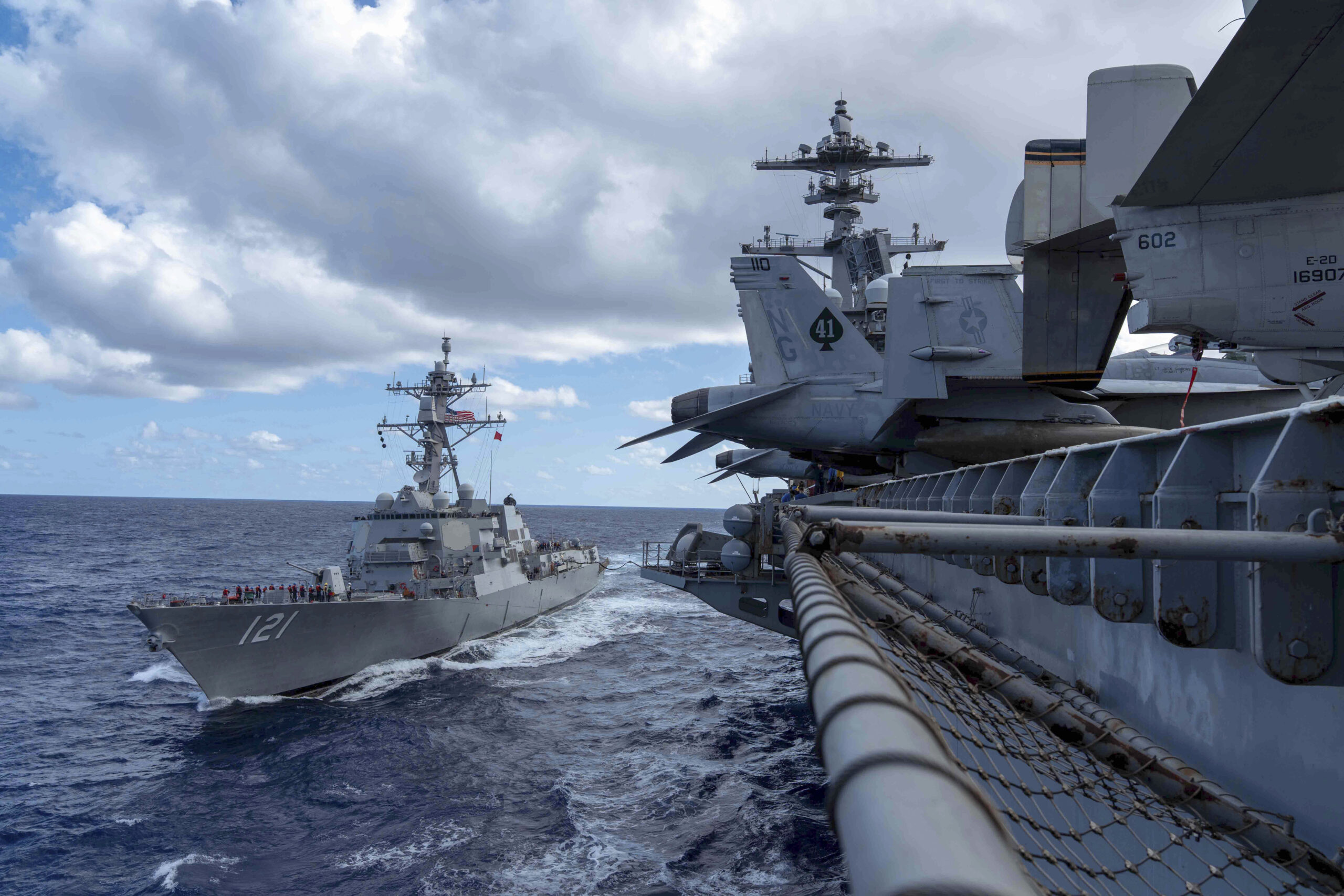
By January, the Arleigh Burke class destroyer had arrived in the Middle East. It then joined the Abraham Lincoln Carrier Strike Group as American forces conducted operations against Iran.
Gold. Upgraded. Buy real gold from $1. Store it in America. Sell it with one click.
The strike group included the USS Abraham Lincoln, a destroyer squadron and a carrier air wing. It also fielded more than 70 aircraft, including fixed wing and rotary wing aircraft.

During the Iran operations, the USS Petersen provided air and missile defense for American assets in the region. That mission included defending Navy assets against ballistic missiles.
The destroyer also supported naval blockade operations and mine detection efforts throughout the Strait of Hormuz, officials said. Those assignments placed the ship and its sailors at the center of several demanding naval missions during the lengthy deployment.
This Could Be the Most Important Video Gun Owners Watch All Year
Across the deployment, the crew sailed more than 85,000 nautical miles. Sailors also conducted 45 replenishments at sea while supporting sustained Navy operations.
The crew transferred more than 7.5 million gallons of fuel for jets, warships and other Navy vessels, officials said. That massive fuel movement came alongside the ship’s missile defense, blockade support and mine detection duties.
The Petersen’s return follows 10 months away from home as Navy officials warn families to prepare for sailors to be gone for longer stretches. The extended deployment also became part of growing scrutiny surrounding conditions aboard ships supporting the Iran war.
Media reports and congressional inquiries examined compounding concerns involving sailors’ living conditions and mental health aboard the USS Abraham Lincoln. Navy officials initially pushed back against concerns about sailors’ mental health during the deployment.
Acting Secretary Hung Cao said last week that eight sailors attempted suicide during the deployment. Cao disclosed the attempts in a letter to members of Congress.
According to Cao’s letter, the sailors came from across the deployed force. That included the USS Lincoln crew, carrier air wing, strike group and destroyer squadron staff, escorting destroyers and all embarked aviation squadrons.
Officials also acknowledged that the Lincoln’s lack of port calls contributed to problems with living conditions. Sailors aboard the carrier had operated without interruption for more than 250 days at sea.
The USS Petersen’s experience included stops during its 10 months away. Its crew made port calls in Guam; Duqm, Oman; Diego Garcia, British Indian Ocean Territory; and Sriracha, Thailand.
Capt. Casey Mahon, commanding officer of the USS Frank E. Petersen Jr., described the demands placed on the crew during the deployment. “This deployment challenged us in many ways and required every sailor to perform at their very best,” Mahon said in the release.
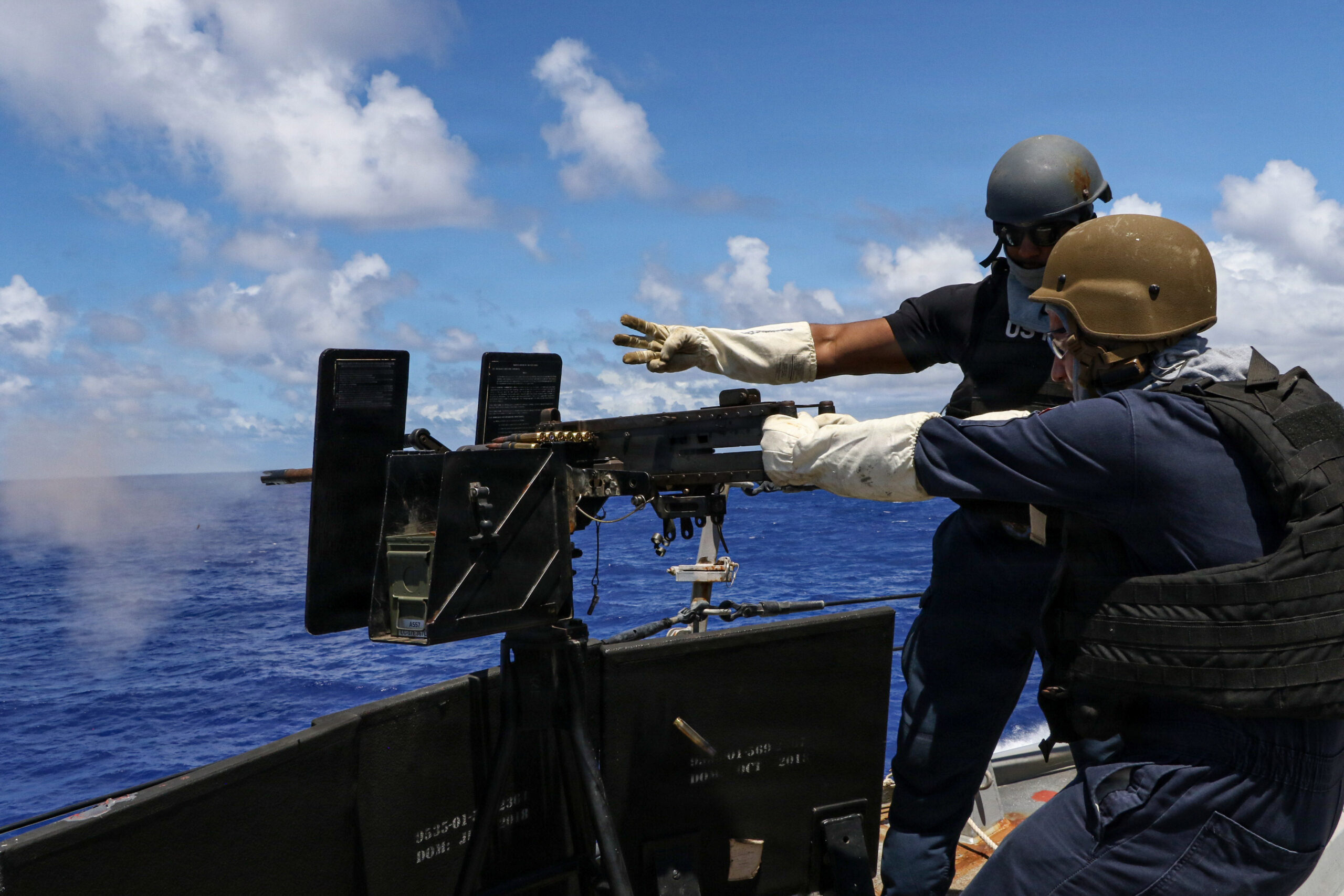
“Despite the pressures and complexities of our missions, the crew rose to the occasion every time, ensuring the safety, security, and strategic interests of our nation. Most importantly, the crew never gave up on the ship and never gave up on their shipmates.”
MORE NEWS: Caitlin Clark’s Historic Night Helps Fever Force Game 3 as Liberty Eliminate Top Seeded Lynx
The destroyer’s return concludes a deployment that stretched from operations intended to deter Chinese military actions in the South China Sea to missile defense and naval support missions connected to the Iran war.
For the sailors aboard the USS Frank E. Petersen Jr., Monday’s arrival marked the end of 300 days at sea, more than 85,000 nautical miles traveled and an operational schedule that their commanding officer said repeatedly challenged the crew.
Gold is the oldest answer. SoundMoney makes owning it as easy as the apps you already use.
The opinions expressed by contributors and/or content partners are their own and do not necessarily reflect the views of LifeZette. Contact us for guidelines on submitting your own commentary.
Join the Discussion
COMMENTS POLICY: We have no tolerance for messages of violence, racism, vulgarity, obscenity or other such discourteous behavior. Thank you for contributing to a respectful and useful online dialogue.