WHAT YOU NEED TO KNOW
- USS Chafee refueled the unmanned Seahawk on Sept. 11 during the Navy’s second attempted at sea sustainment operation this year.
- Seahawk currently requires personnel to board during refueling, creating design and safety concerns that DARPA’s NOMARS program is working to address.
- The Navy plans to request 63 unmanned platforms and 122 manned ships over five years.
- By Fiscal Year 2031, the Navy projects 299 manned battle force ships and 83 unmanned vessels.
The Navy is sharpening its methods for refueling uncrewed vessels at sea, a capability tied directly to its expanding surface drone fleet.
Its latest trial paired the destroyer USS Chafee with the Unmanned Surface Vessel Seahawk.
USS Chafee refueled Seahawk on Sept. 11, according to Navy photographs released Monday.
Seahawk is classified as a Medium Unmanned Surface Vessel and currently requires personnel to board the uncrewed craft during refueling.
Gold. Upgraded. Buy real gold from $1. Store it in America. Sell it with one click.
The event marked the second time this year that a U.S. Navy ship attempted to sustain an uncrewed vessel while at sea.
That continuing work is testing how the service can support unmanned platforms beyond shore based operations.
The Navy previously tested the astern refueling method in April, according to USNI.
That test involved Seahawk and the oiler USNS Guadalupe, establishing an earlier demonstration of the same general sustainment approach.
This Could Be the Most Important Video Gun Owners Watch All Year
The September evolution brought the refueling procedure to USS Chafee.
Navy photographs documented the destroyer conducting the operation with Seahawk as the service continued evaluating how such vessels can function alongside its manned fleet.
Seahawk and the other Medium Unmanned Surface Vessel, Sea Hunter, are the first autonomous vessels of their type operated by the Defense Advanced Research Projects Agency and the Office of Naval Research. Both platforms serve research and experimentation roles.
The Navy says it is utilizing the “Sea Hunter and Seahawk as prototypes for research and experimentation.
Major goals of research and experimentation efforts with Sea Hunter and Seahawk are to determine the most effective way to utilize USVs in operations and how to best integrate them into the Fleet.”
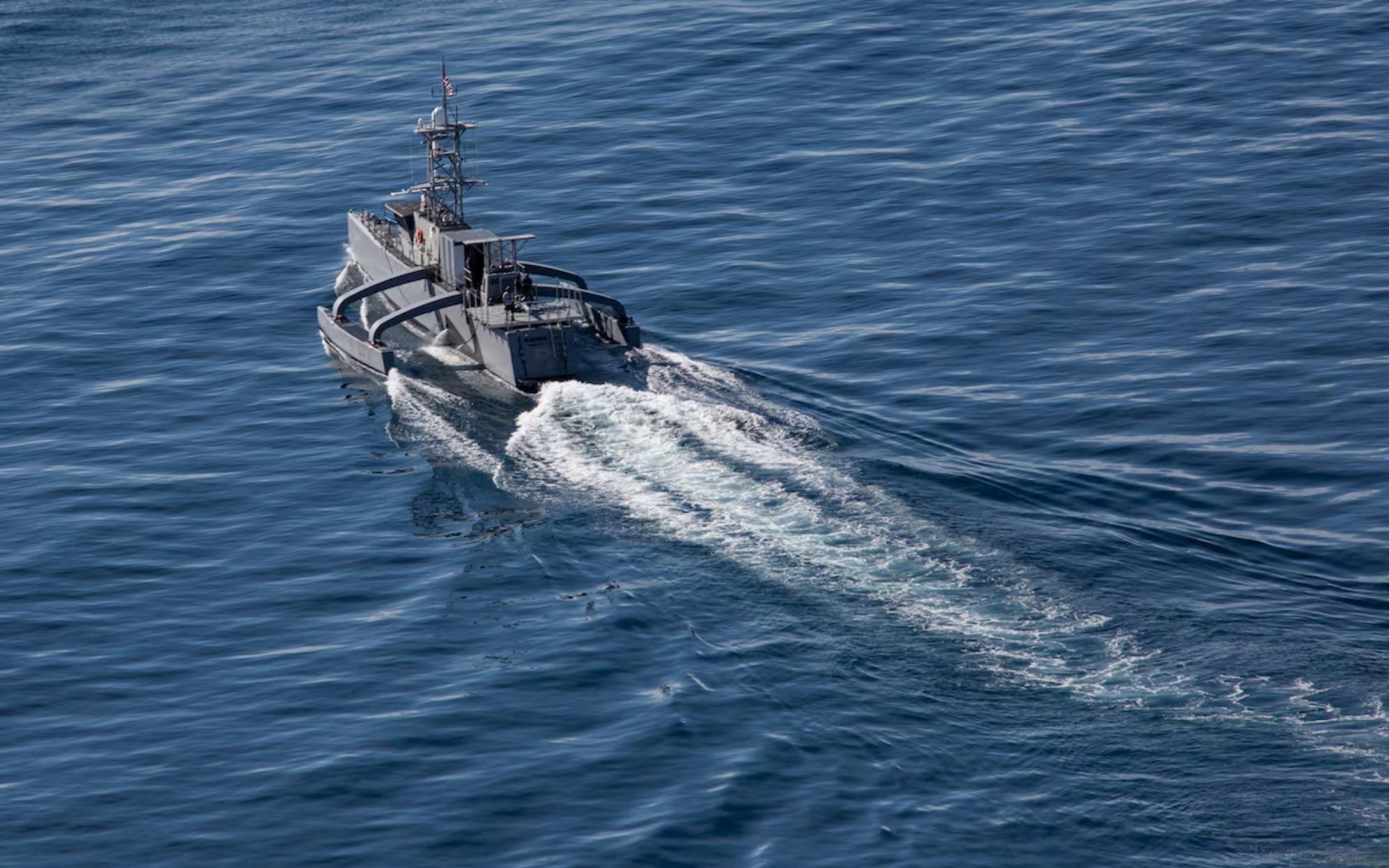
That mission places the two vessels at the center of the Navy’s effort to understand unmanned surface operations.
The testing is focused both on determining effective operational uses and finding the best methods for bringing the vessels into the broader fleet.
Seahawk weighs 145 tons and was built by Leidos, a technology and defense company. The vessel was transferred to the Navy in 2021 and has since been used for testing across the Indo-Pacific.
The Defense Advanced Research Projects Agency is also addressing the personnel requirements surrounding refueling through its No Manning Required Ship program, known as NOMARS. The agency is working to codify a refueling system for unmanned surface vessels.
The existing system presents significant risk to sailors because personnel currently must board the vessel during refueling.
That requirement creates additional considerations for both vessel design and operations, even when sailors are aboard only briefly.
A 2024 Defense Advanced Research Projects Agency report stated, “Requiring personnel on the USV for the operation adds significant constraints on USV design and operations, as the vessel must then be designed with considerations for safety of the humans on board, even if for a short period of time. It can also be risky and sometimes dangerous to transport personnel to a USV in rough seas or high winds.”
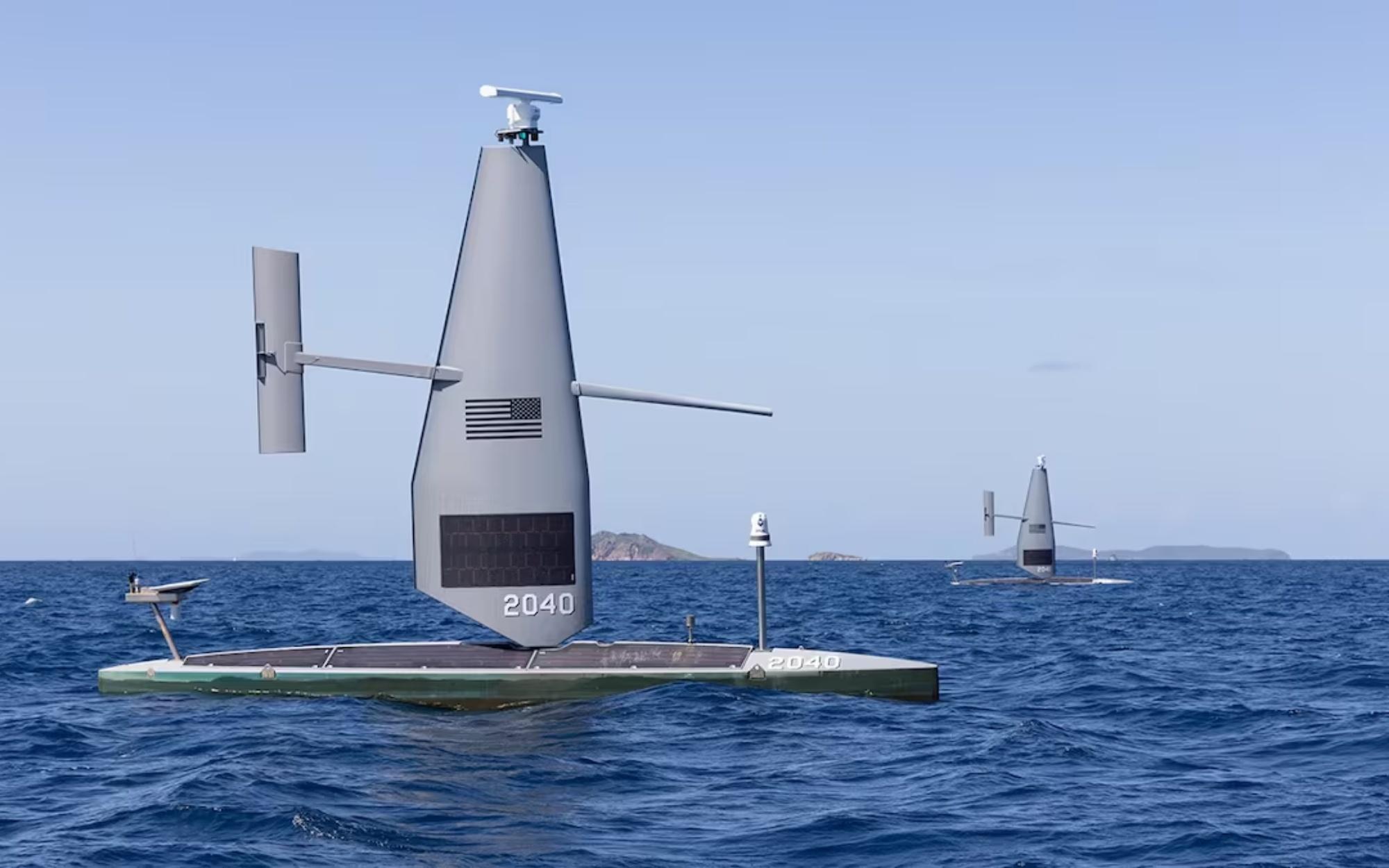
Those concerns illustrate why the NOMARS work extends beyond the mechanics of transferring fuel. The program is confronting the risks created when sailors must travel to and board an unmanned vessel, particularly under difficult sea and wind conditions.
The latest refueling represents a significant step for the Navy as it works to expand its uncrewed surface vehicle fleet rapidly.
Sustainment at sea is part of the research needed to determine how those vessels can be used and integrated.
The Navy’s shipbuilding plan, released in May, requests funding for five unmanned vessels and 34 manned vessels in Fiscal Year 2027.
This was the first time the Navy included unmanned vessels in its future fleet projections.
Across the next five years, the plan requests 63 unmanned platforms and 122 manned ships. By Fiscal Year 2031, it projects a total force of 299 manned battle force ships and 83 unmanned vessels.
Gold is the oldest answer. SoundMoney makes owning it as easy as the apps you already use.
The opinions expressed by contributors and/or content partners are their own and do not necessarily reflect the views of LifeZette. Contact us for guidelines on submitting your own commentary.
Join the Discussion
COMMENTS POLICY: We have no tolerance for messages of violence, racism, vulgarity, obscenity or other such discourteous behavior. Thank you for contributing to a respectful and useful online dialogue.