WHAT YOU NEED TO KNOW
- The Department of War is directing all male service members age 30 and older to receive testosterone deficiency screenings.
- Screenings will be incorporated into annual health assessments and the process used when troops enter the armed forces.
- Troops with symptoms or risk factors may receive laboratory testing, while testosterone replacement therapy remains voluntary.
- Guidelines for women remain under review, and optional screening is available for male troops younger than 30.
Two months after announcing mandatory testosterone screenings, the Department of War is directing every male service member age 30 and older to undergo screening for a possible deficiency.
The revived plan arrives weeks after the Pentagon withdrew an earlier version of its screening guidance.
The War Department issued its “Clinical Practice Guideline for Testosterone Deficiency in the Male Service Member” on Thursday.
A Pentagon spokesperson said the new guidance takes effect “immediately,” while health assessment questions across the military are being updated to reflect the rules.
Gold. Upgraded. Buy real gold from $1. Store it in America. Sell it with one click.
War Secretary Pete Hegseth announced the screenings in July, saying they are intended to help troops “have the right testosterone levels to operate at your absolute best.”
He described voluntary hormone replacement therapy as being about “restoring and optimizing your natural capabilities, protecting your longevity, and ensuring you have the biological foundation required to sustain the fight.”
The Pentagon presented the screening effort as an investment in both service members and military readiness.
“By proactively identifying and treating suboptimal hormone levels, the Department continues to invest in the health of its warfighters, strengthen their performance, and maximize force readiness,” its release said.
This Could Be the Most Important Video Gun Owners Watch All Year
According to the Defense Health Agency, screenings will be incorporated into troops’ annual Periodic Health Assessments and into the process used when they enter the armed forces. The system begins with questions about symptoms and known risk factors.
Screeners will ask male troops about reduced sexual desire, erectile dysfunction, or the loss of spontaneous morning erections.
They will also look for unexplained loss of muscle mass, depressed mood, low motivation, and diminished physical performance that cannot be attributed to injuries.
Health assessors will additionally note possible risk factors, including Type 2 diabetes, previous traumatic brain injury, and sleep apnea.
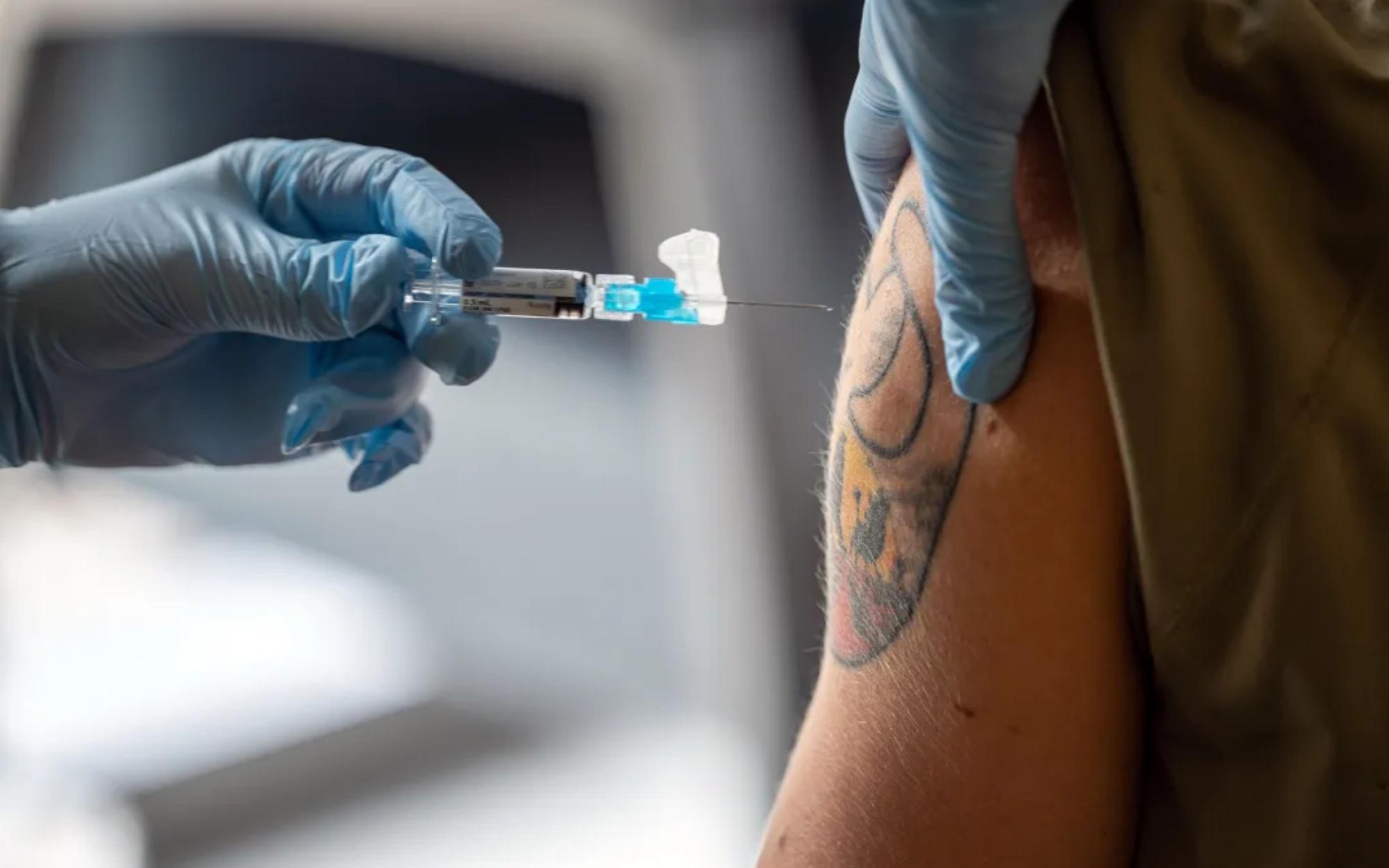
Other issues may also be considered under the guidance, although the source did not identify them individually.
When a risk factor is present, or when the initial screening indicates possible low testosterone, the service member will receive laboratory testing. That additional testing will determine whether the initial concerns are supported by measured hormone levels.
The guidance also acknowledges that symptoms linked to testosterone deficiency may overlap with other conditions common among military personnel.
It specifically identifies stress, insufficient sleep, and caloric deficits as factors, describing them as “all of which are prevalent in the operational population.”
Guidelines covering women remain under review, according to Vice Adm. Darin Via, director of the Defense Health Agency.
The new mandatory screening direction applies to male service members who are at least 30 years old.
Male troops younger than 30 may still receive optional screenings.
MORE NEWS: Country With Policies the Democrat Socialists Want to Implement Just Plunged Into Darkness
The Pentagon is screening service members for low hormone levels, while any decision to begin testosterone replacement therapy remains voluntary.
The latest release follows an earlier set of detailed screening guidelines issued by the Pentagon two weeks before. Those guidelines established different screening paths for men and women and were initially supposed to take effect immediately.

The Pentagon quickly rescinded that earlier guidance, pulling it within one day.
A Pentagon statement said the withdrawal was intended to “allow for updates,” setting the stage for the revised guidance now focused on men age 30 and above.
Researchers cited in the source say testosterone naturally declines in men as they grow older.
Factors including stress may also contribute to testosterone levels decreasing earlier.
The Defense Health Agency said testosterone replacement therapy has a “demonstrated benefit for sexual function and improves body composition and bone mineral density.” At the same time, the agency challenged broader claims about what the treatment can accomplish.
“Evidence does not support its use to improve energy, vitality, physical function, or cognition, and the American College of Physicians recommends against initiating therapy for those indications,” the agency noted.
The guidance therefore distinguishes recognized medical benefits from claims that the agency says are not supported by evidence.
Gold is the oldest answer. SoundMoney makes owning it as easy as the apps you already use.
The opinions expressed by contributors and/or content partners are their own and do not necessarily reflect the views of LifeZette. Contact us for guidelines on submitting your own commentary.
Join the Discussion
COMMENTS POLICY: We have no tolerance for messages of violence, racism, vulgarity, obscenity or other such discourteous behavior. Thank you for contributing to a respectful and useful online dialogue.