WHAT YOU NEED TO KNOW
- The Navy’s four shipyard modernization effort could take 50 years and cost more than $200 billion.
- The GAO found that the program lacks plans for regular reviews of objectives, resources, and progress.
- Aging infrastructure, limited shipyard space, and workforce shortages continue to complicate Navy maintenance and shipbuilding efforts.
- The GAO issued three recommendations focused on oversight, periodic evaluations, and clearer organizational responsibilities.
The Navy’s plan to modernize its four shipyards could stretch across half a century and cost more than $200 billion, according to a new Government Accountability Office report.
That is a daunting timeline and a towering bill for facilities the fleet depends on to remain ready.
The GAO released its review of the Navy’s Shipyard Infrastructure Optimization Program, known as SIOP, on Friday.
The watchdog found that the estimated price has grown noticeably since the modernization effort began.
Gold. Upgraded. Buy real gold from $1. Store it in America. Sell it with one click.
The report also identified a serious oversight problem. The Navy has not established plans for regularly reviewing the program’s progress, even though the work is expected to continue across several decades.
According to the GAO, that lack of oversight and evaluation creates the risk of additional cost increases and new challenges.
The report warned that plans developed today may not remain aligned with the Navy’s future fleet and warfighting requirements.
“However, the Navy has not outlined steps in the framework to reevaluate program objectives and resources as the program progresses over the next several decades,” the report said.
This Could Be the Most Important Video Gun Owners Watch All Year

“Without building such reviews into key future decision points, the Navy is limiting its ability to ensure that capabilities in SIOP’s plans today continue to be aligned or adjusted to support future fleet warfighting needs.”
The Navy currently operates four shipyards located at Pearl Harbor in Hawaii, Norfolk in Virginia, Puget Sound in Washington, and Kittery in Maine.
These facilities are responsible for crucial maintenance work involving the fleet.
The GAO described the shipyards as “essential” to maintaining operational readiness for Navy ships, particularly aircraft carriers and submarines. However, the watchdog found that the yards are burdened by outdated infrastructure and poor conditions.

The Shipyard Infrastructure Optimization Program began in 2018 as an effort to overhaul those aging facilities.
Its goals include providing new equipment and constructing new dry docks or upgrading existing ones so the shipyards can better service the fleet.
The program’s scope makes long range planning necessary, but that planning rests on assumptions that could shift over time.
Those assumptions affect what infrastructure, equipment, and dry dock capacity the Navy believes it will need.
Diana Moldafsky, who directed the GAO review, said the program relies on projections about the future fleet.
Those projections cover how many ships and submarines the Navy will operate, their maintenance requirements, and their deployment schedules.
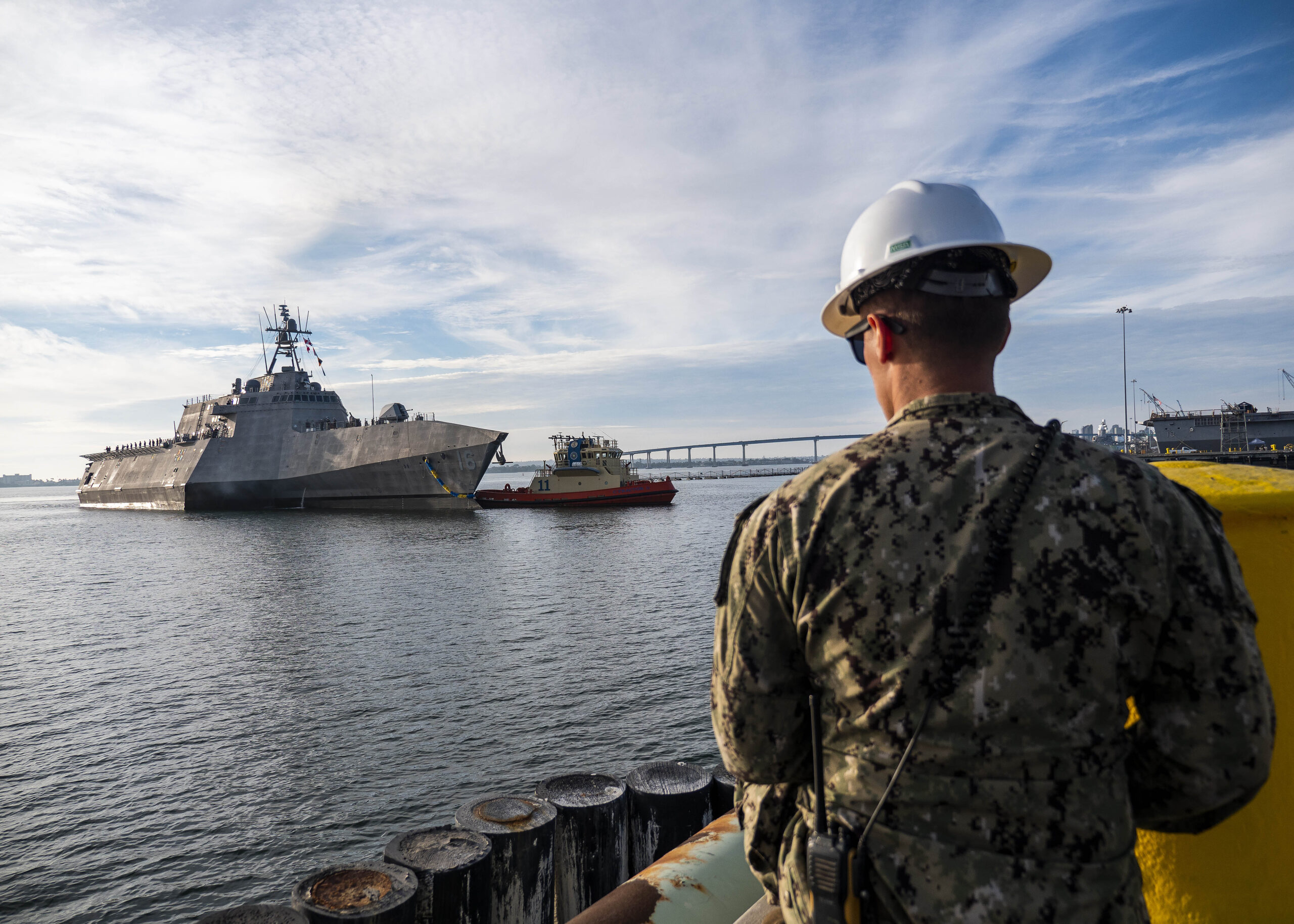
The problem is that those projections are likely to change over the years. Without scheduled reviews, the Navy could be left following old assumptions while fleet needs, maintenance demands, and deployment schedules move in another direction.
The report’s findings arrive as Navy shipbuilding efforts have struggled in recent years. A GAO report released last year found that the fleet had not grown despite massive increases in its budget.
That earlier report attributed delays to a lack of shipyard space needed to meet the volume of demand.
It also found that the shipyards lacked enough workers to handle work at the required scale.
Those existing pressures add weight to the latest warning about SIOP. The Navy is attempting to modernize aging yards while dealing with limited space, workforce shortages, and maintenance demands from carriers and submarines.
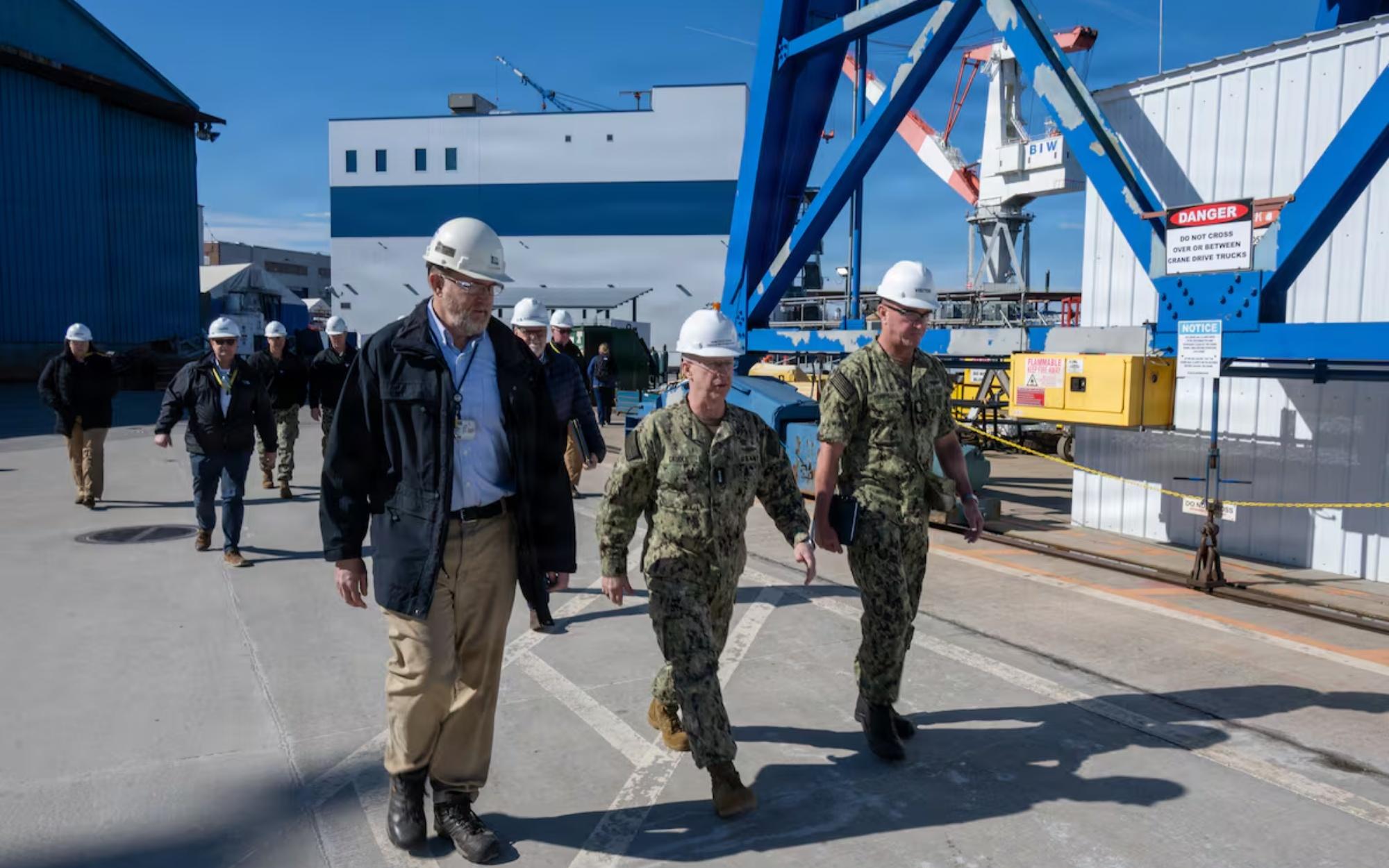
The GAO issued three recommendations to the Navy. They included creating specific oversight steps, conducting periodic evaluations, and better documenting the organizations involved in the program along with their respective responsibilities.
The recommendations are aimed at giving Navy officials the information needed to make decisions about a program that may last 50 years.
Without those controls, the service risks watching an already enormous modernization effort grow even more expensive and difficult to manage.
Gold is the oldest answer. SoundMoney makes owning it as easy as the apps you already use.
The opinions expressed by contributors and/or content partners are their own and do not necessarily reflect the views of LifeZette. Contact us for guidelines on submitting your own commentary.
Join the Discussion
COMMENTS POLICY: We have no tolerance for messages of violence, racism, vulgarity, obscenity or other such discourteous behavior. Thank you for contributing to a respectful and useful online dialogue.