WHAT YOU NEED TO KNOW
- Two Navy destroyers were operating in the Red Sea, while another 13 were in the Arabian Sea as of Sept. 14.
- USS Carney spent 235 days deployed and conducted 51 engagements against weapons launched by Houthis.
- Arleigh Burke class overhauls averaged 26% longer than final Navy schedules and required 8% more labor than planned.
- DDG-51 destroyers are projected to spend more than nine years, or about 27% of their planned service lives, in maintenance.
Navy destroyers are massed in the Middle East as American forces conduct operations against Iran, placing fresh operational pressure on a fleet already burdened by prolonged maintenance periods.
The concentration highlights the demands facing a crucial class of surface warships during the Iran war.
As of Sept. 14, two Navy guided missile destroyers were operating in the Red Sea, according to the U.S. Naval Institute fleet tracker.
Another 13 destroyers were operating in the Arabian Sea, with the tracker drawing from Navy information and public data.
Gold. Upgraded. Buy real gold from $1. Store it in America. Sell it with one click.
The Arleigh Burke class guided missile destroyer USS Stout also departed Naval Station Norfolk on Monday to begin deployment operations.
Naval Surface Force Atlantic said the departure followed months of training, maintenance and certification events.
Demand on the destroyer class was already substantial before the Iran war began.
The current concentration comes after earlier operations demonstrated how quickly missions near strategic chokepoints can impose sustained requirements on ships and their crews.
This Could Be the Most Important Video Gun Owners Watch All Year
USS Carney deployed for 235 days from September 2023 through May 2024, according to the Navy. During that deployment, the destroyer conducted 51 engagements against weapons launched by Houthis, showing the operational burden that fighting around one of those chokepoints can place on a single warship.
When Carney returned in May 2024, then Chief of Naval Operations Adm. Lisa Franchetti addressed the crew about the scale of its combat experience.
She said the last time the Navy had directly engaged an enemy to that degree was during World War II.
The latest demands in the Middle East arrive while the Navy’s maintenance system continues struggling to keep the fleet on schedule.
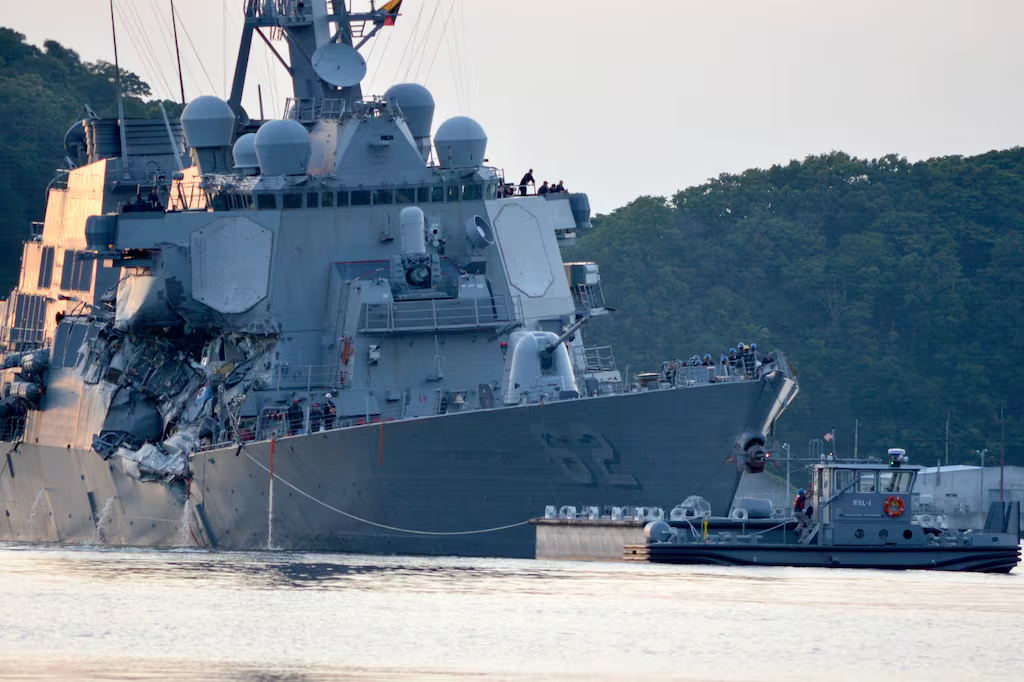
Lengthy overhaul periods, delayed work and shortages affecting the broader surface fleet have complicated efforts to maintain readiness.
U.S. Fleet Forces Command declined to discuss the current readiness posture of Navy destroyers, current operations or possible effects on future deployment schedules.
The command cited operational security and classification guidelines and also declined to provide historical aggregate information about destroyer operational tempo.
A December 2025 Congressional Budget Office analysis of Navy maintenance data examined overhaul performance for Arleigh Burke class ships.
It found that overhauls beginning between 2011 and 2024 lasted an average of 26% longer than the Navy’s final schedules estimated.
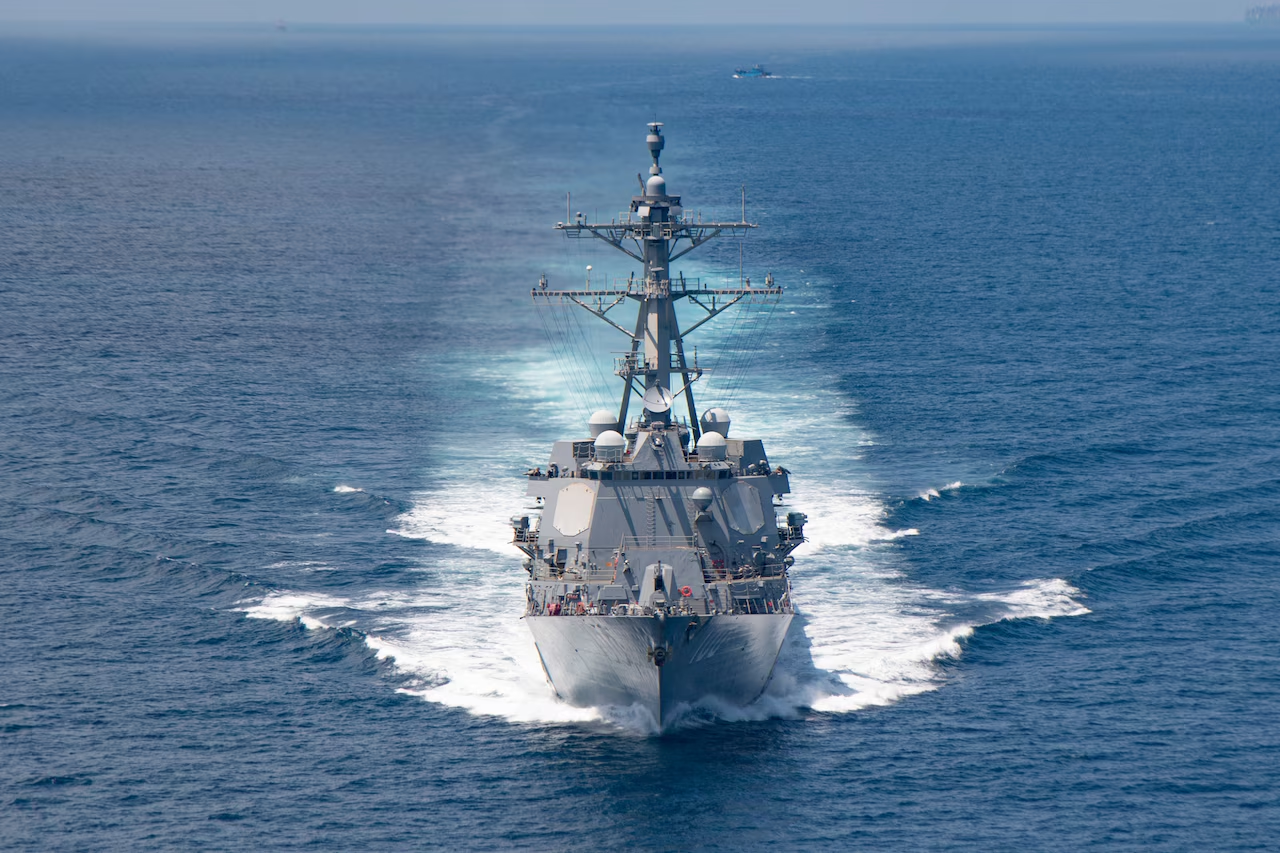
The Congressional Budget Office analyzed 225 DDG-51 overhauls and found they required 8% more labor than scheduled.
Those overruns add another layer of strain as destroyers face sustained operational requirements away from home ports.
The budget office projected that DDG-51 destroyers will spend an average of more than nine years in maintenance.
That represents about 27% of their planned service lives and is more than twice the roughly four years envisioned under the Navy’s 2012 maintenance plans for the class.
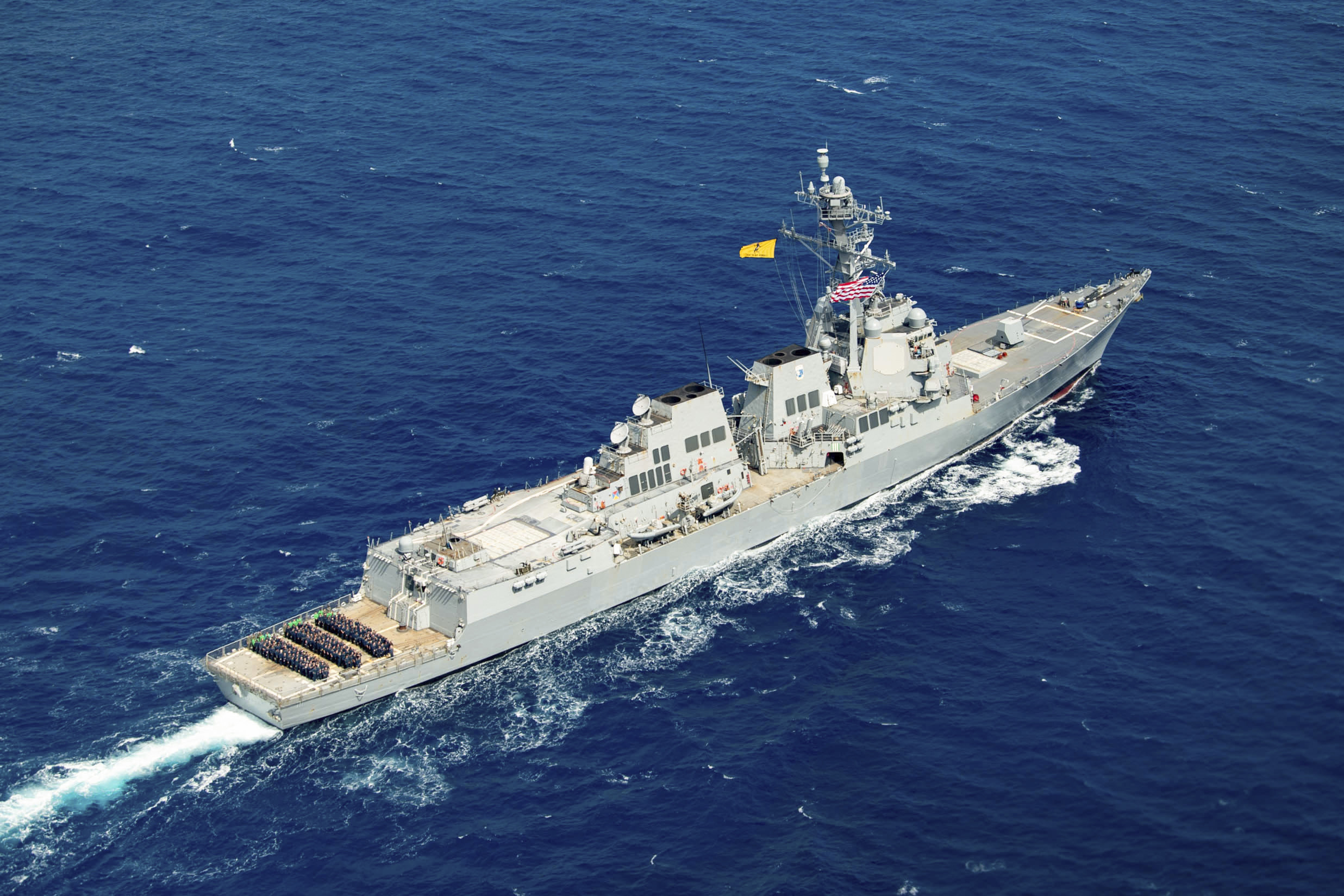
Several factors contributed to the longer maintenance periods, according to the analysis.
The list included an aging fleet, postponed maintenance, late inspections, delayed contract awards, unexpected additional work, parts and material delays, and modernization work.
The average age of the DDG-51 fleet climbed sharply across the period examined by the Congressional Budget Office.
It rose from 10 years in 2011 to 20 years in 2024, giving maintenance planners an older group of ships to sustain while operational demands remain heavy.
MORE NEWS: Scott Jennings Torches CNN Hysteria and Sets the Record Straight on Greenland Deal [WATCH]
The Government Accountability Office has documented broader maintenance problems across the Navy’s conventional surface fleet.
In a January 2025 review, the office found that the Navy requested nearly $24.9 billion for combat surface ship maintenance from fiscal 2020 through 2023 and reported receiving nearly $25.9 billion.
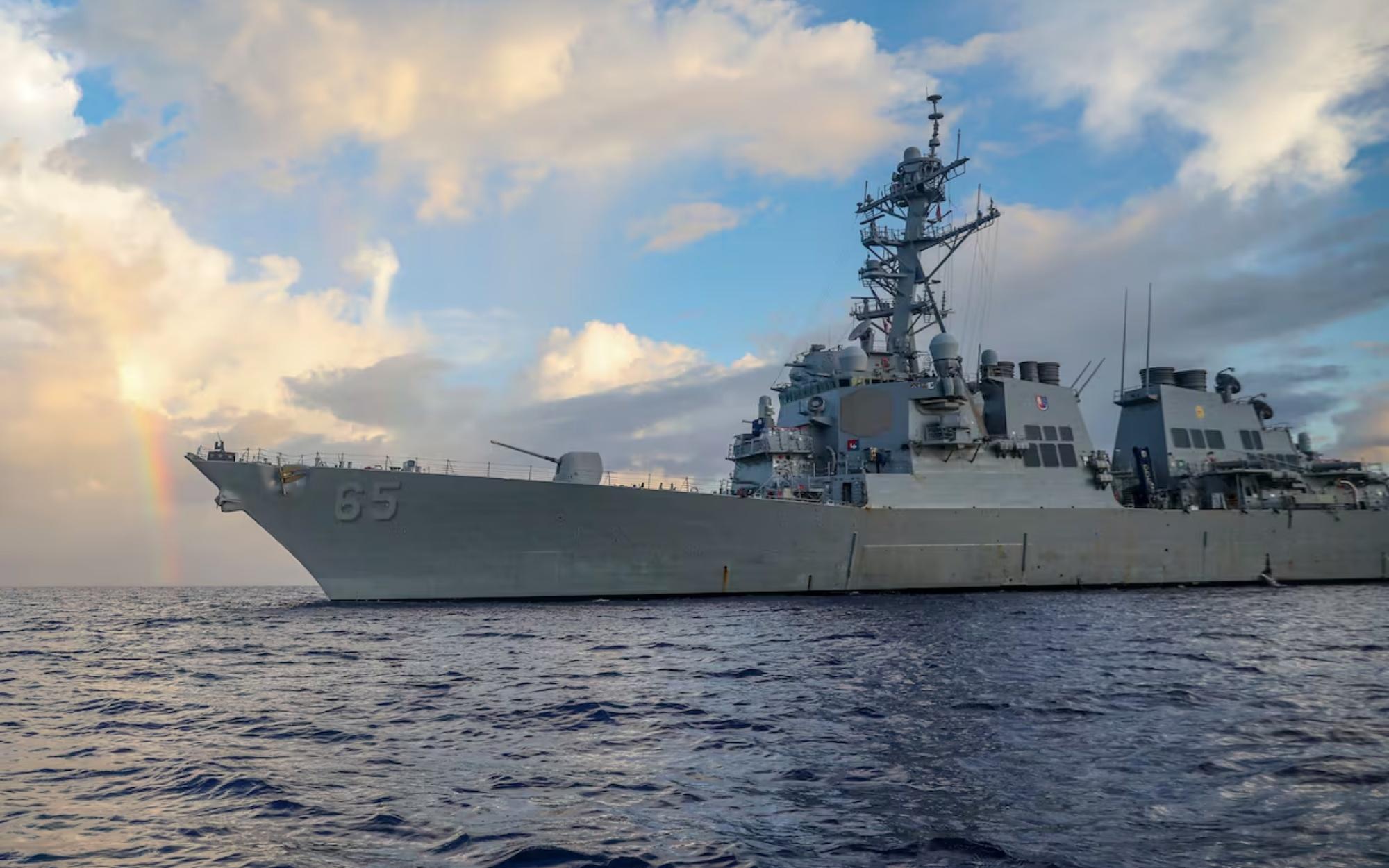
The Navy reported obligating 99.7% of that funding by the end of fiscal 2023. Despite that spending, the Government Accountability Office found continuing shortages of spare parts, too few qualified maintenance personnel and an ongoing need to postpone maintenance.
The Congressional Budget Office analysis covered maintenance events beginning in 2011 and identified problems that have persisted for years.
With destroyers concentrated in the Red Sea and Arabian Sea, those longstanding maintenance pressures now sit alongside mounting operational demands in the Middle East.
Gold is the oldest answer. SoundMoney makes owning it as easy as the apps you already use.
The opinions expressed by contributors and/or content partners are their own and do not necessarily reflect the views of LifeZette. Contact us for guidelines on submitting your own commentary.
Join the Discussion
COMMENTS POLICY: We have no tolerance for messages of violence, racism, vulgarity, obscenity or other such discourteous behavior. Thank you for contributing to a respectful and useful online dialogue.