WHAT YOU NEED TO KNOW
- War Secretary Pete Hegseth ordered military service academies to stop appointing civilian faculty to tenured positions.
- Military departments must develop hiring plans prioritizing institutional flexibility and faculty contributions to the warfighting mission.
- The directive does not state that existing tenured professors will lose tenure or identify a replacement employment structure.
- Academy leaders previously described tenure as a tool for faculty recruitment, retention and professional advancement.
War Secretary Pete Hegseth has ordered the nation’s military service academies to stop appointing civilian faculty to tenured positions, a major policy change aimed at keeping the schools focused on preparing future officers for war.
Hegseth issued the order in a memorandum signed Tuesday. The directive instructs the secretaries of the military departments to immediately terminate the practice of placing civilian faculty members into tenured positions.
The memorandum also directs the military departments to develop hiring plans that prioritize institutional flexibility and faculty contributions to the warfighting mission. Hegseth presented those priorities as essential to the academies’ central purpose.
“The primary purpose of our Military Service Academies (MSA) is to prepare the next generation of officers to lead the men and women of the greatest military on Earth,” Hegseth wrote.
Gold. Upgraded. Buy real gold from $1. Store it in America. Sell it with one click.
The secretary’s directive targets tenure as a structural practice that he believes can weaken the academies’ ability to respond to changing requirements. His memorandum directly links faculty employment policies to the schools’ military responsibilities.
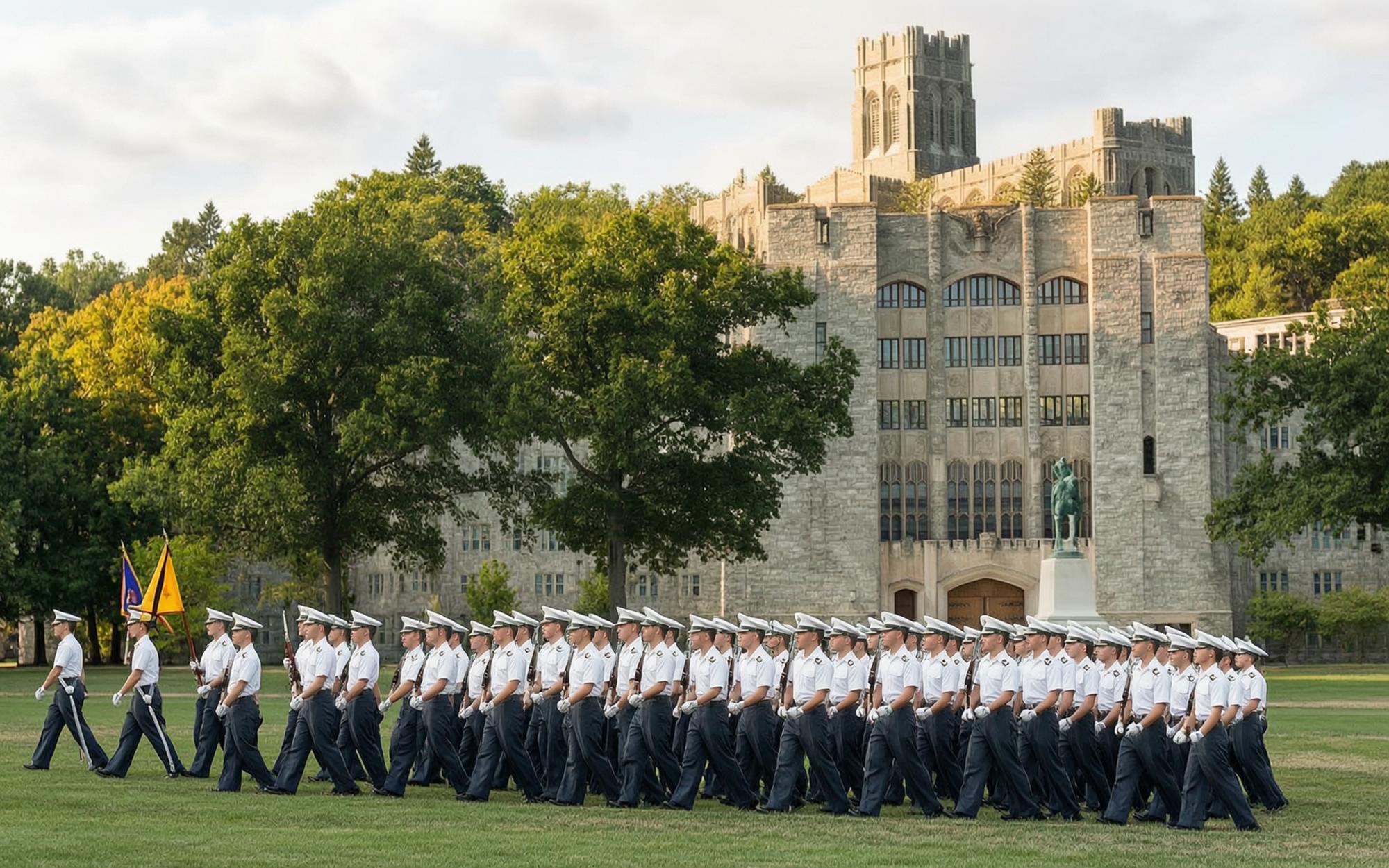
Hegseth said tenure can contribute to “academic stagnation” and “faculty complacency” and make institutions less able to adapt to emerging needs. He also raised concerns about how tenure can influence curriculum decisions.
According to Hegseth, tenure can help pull academy curricula away from educating future warfighters and toward the research priorities of tenured faculty. The policy is intended to refocus the academies on their warfighting mission.
This Could Be the Most Important Video Gun Owners Watch All Year
Civilian faculty members have been part of the academic structure at military academies for decades. In 1992, Congress enacted legislation that expanded the ability of the academies to employ civilian instructors.
Academy leaders have previously identified tenure as a tool for recruiting and retaining those civilian faculty members. Their comments described tenure as part of professional advancement and an incentive for faculty members to remain at the academies.
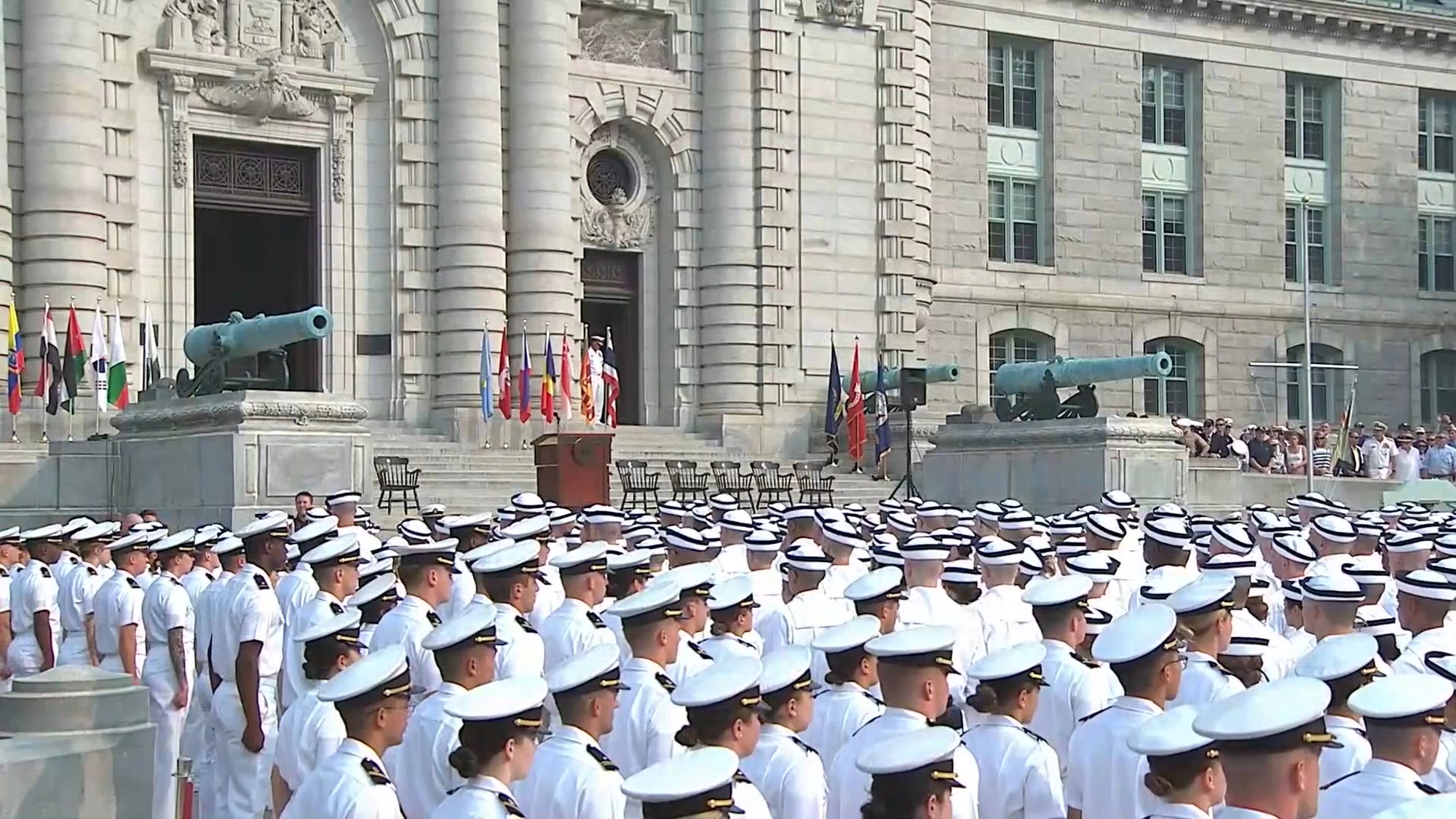
During a March 2025 Senate Armed Services Committee hearing, West Point Superintendent Lt. Gen. Steven Gilland said tenure provides civilian faculty with opportunities to advance within their disciplines.
Naval Academy Superintendent Vice Adm. Yvette Davids described tenure as both a recruiting tool and an incentive for civilian faculty members to stay. Her comments reflected the role tenure has played in the academy’s faculty employment system.
Air Force Academy Superintendent Lt. Gen. Tony Bauernfeind said tenure was part of the academic progression available to civilian faculty. The statements from the three superintendents highlighted how academy leaders had viewed tenure before Hegseth’s directive.
The memorandum does not state that existing tenured civilian professors will lose their tenure. It also does not specify the employment structure that will replace tenure for newly hired civilian faculty members.

The directive likewise does not describe how the military departments will carry out the change. Instead, it requires the departments to create hiring plans centered on flexibility and contributions to the warfighting mission.
Hegseth framed the policy as part of a broader effort to reshape the military academies around that mission. His memorandum argues that civilian academic practices have weakened the institutions’ focus on preparing officers for military service.
“To ensure our educational institutions remain firmly focused on this warfighting mission, we must address the structural mechanisms that have allowed civilian academic norms to dilute our focus on lethality,” the secretary wrote.
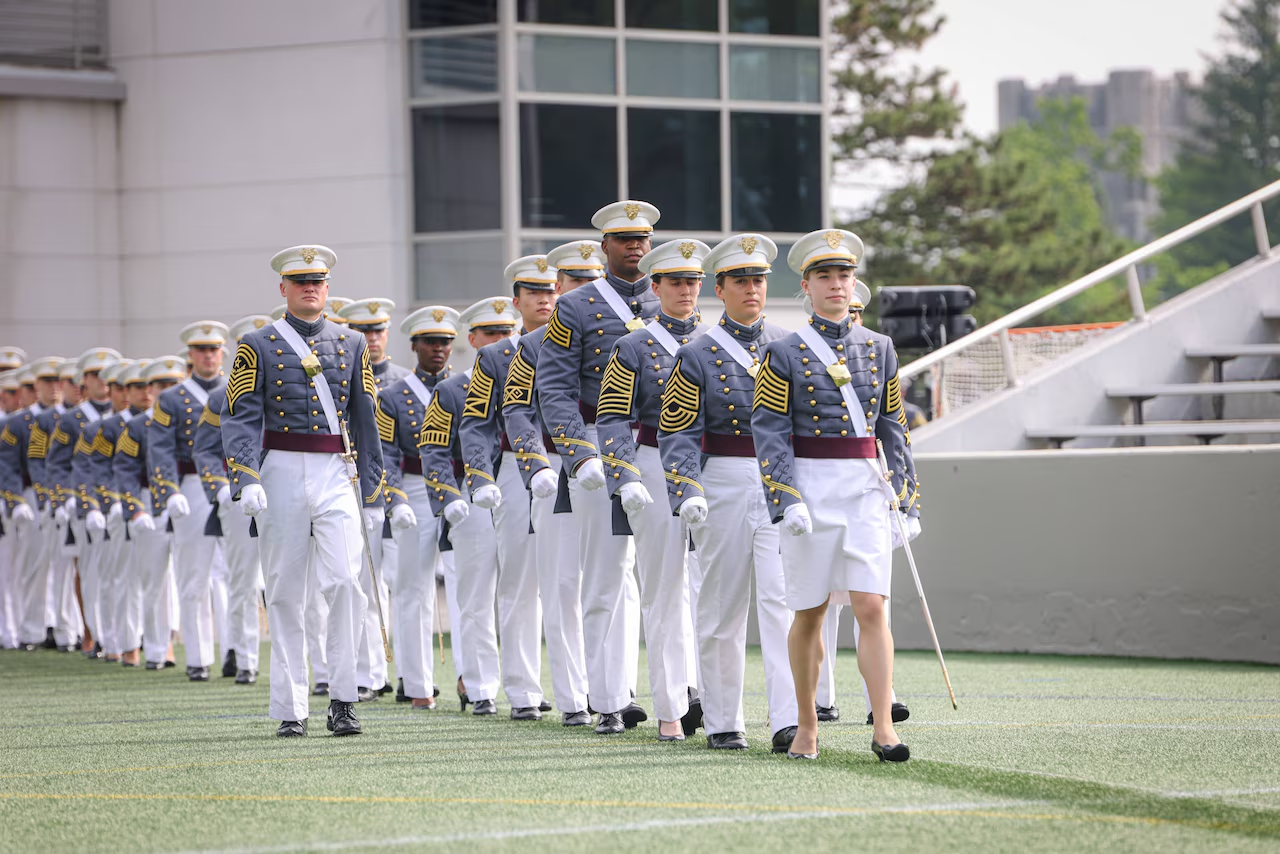
The order immediately ends future appointments of civilian professors to tenured positions while leaving several implementation details to the military departments. Existing tenure remains unaddressed, and the departments must now determine what hiring structure will follow.
For Hegseth, the guiding standard is whether faculty policies serve the academies’ responsibility to prepare officers for war. The directive places institutional flexibility, warfighting contributions and the education of future military leaders at the center of that standard.
Gold is the oldest answer. SoundMoney makes owning it as easy as the apps you already use.
The opinions expressed by contributors and/or content partners are their own and do not necessarily reflect the views of LifeZette. Contact us for guidelines on submitting your own commentary.
Join the Discussion
COMMENTS POLICY: We have no tolerance for messages of violence, racism, vulgarity, obscenity or other such discourteous behavior. Thank you for contributing to a respectful and useful online dialogue.