Boston Mayor Michelle Wu said the city will take steps to identify property owners who may lease parking spaces to U.S. Immigration and Customs Enforcement as the federal agency expands immigration enforcement operations, as reported by The Post Millennial.
Wu made the comments after reports indicated that ICE has been seeking to lease 250 parking spaces in Boston, a city that has declared itself a sanctuary city and has maintained policies limiting cooperation between local authorities and federal immigration officials.
During an interview with WCVB Channel 5's "On the Record," Wu, a Democrat, said Boston would submit Freedom of Information Act requests to obtain information about responses to ICE's search for parking in the area.
Wu said the city would then use that information to identify property owners who could potentially provide parking to the federal agency.
"We, as a city, will be filing another FOIA request for any responses that have come in for the Boston area so that we know what information they may be sifting through," said Mayor Wu.
Gold. Upgraded. Buy real gold from $1. Store it in America. Sell it with one click.
Wu said the city opposes an expansion of federal immigration enforcement activity in Boston and indicated that officials would contact property owners.
"We strongly oppose any expansion of their efforts here," she continued, asserting that her office would "be reaching out to property owners to try to make sure that they're not adding to a surge of unlawful and dangerous activity."
The Department of Homeland Security responded sharply to Wu's comments, arguing that the federal government has the authority to use private property for lawful operations and accusing the city of attempting to pressure property owners.
This Could Be the Most Important Video Gun Owners Watch All Year
"She knows she has NO authority to block us from using private property," DHS wrote on X. "So she's hunting down private property owners and threatening them for working with ICE — because she's rather intimidate law-abiding Bostonians than get criminal illegal aliens OFF the street."
These actions by sanctuary Mayor Michelle Wu are unhinged.
She knows she has NO authority to block us from using private property. So she’s hunting down private property owners and threatening them for working with ICE — because she’d rather intimidate law-abiding Bostonians… pic.twitter.com/ZmYsjCSt9H — Homeland Security (@DHSgov) August 18, 2026
The dispute reflects a broader conflict between the Trump administration and Boston over immigration enforcement.
Boston's sanctuary-city policies limit the circumstances under which local law enforcement agencies can cooperate with federal immigration authorities.
The city's approach has drawn criticism from the Trump administration, particularly over cases involving individuals who were released from local custody despite federal immigration interests.
President Donald Trump began his second term with an emphasis on expanding immigration enforcement and carrying out mass deportations.
ICE operations have subsequently become a major point of conflict between the federal government and jurisdictions that limit cooperation with federal immigration authorities.
The administration has repeatedly criticized Boston over its handling of individuals described by federal officials as criminal illegal aliens.
Federal officials have argued that releasing such individuals can create additional public-safety risks when they subsequently face allegations of new criminal conduct.
Wu's comments add another layer to the dispute by focusing on private property owners rather than local government cooperation alone.
Her proposed FOIA requests would seek information about property owners who have responded to ICE's parking-space search, after which city officials could contact those owners.
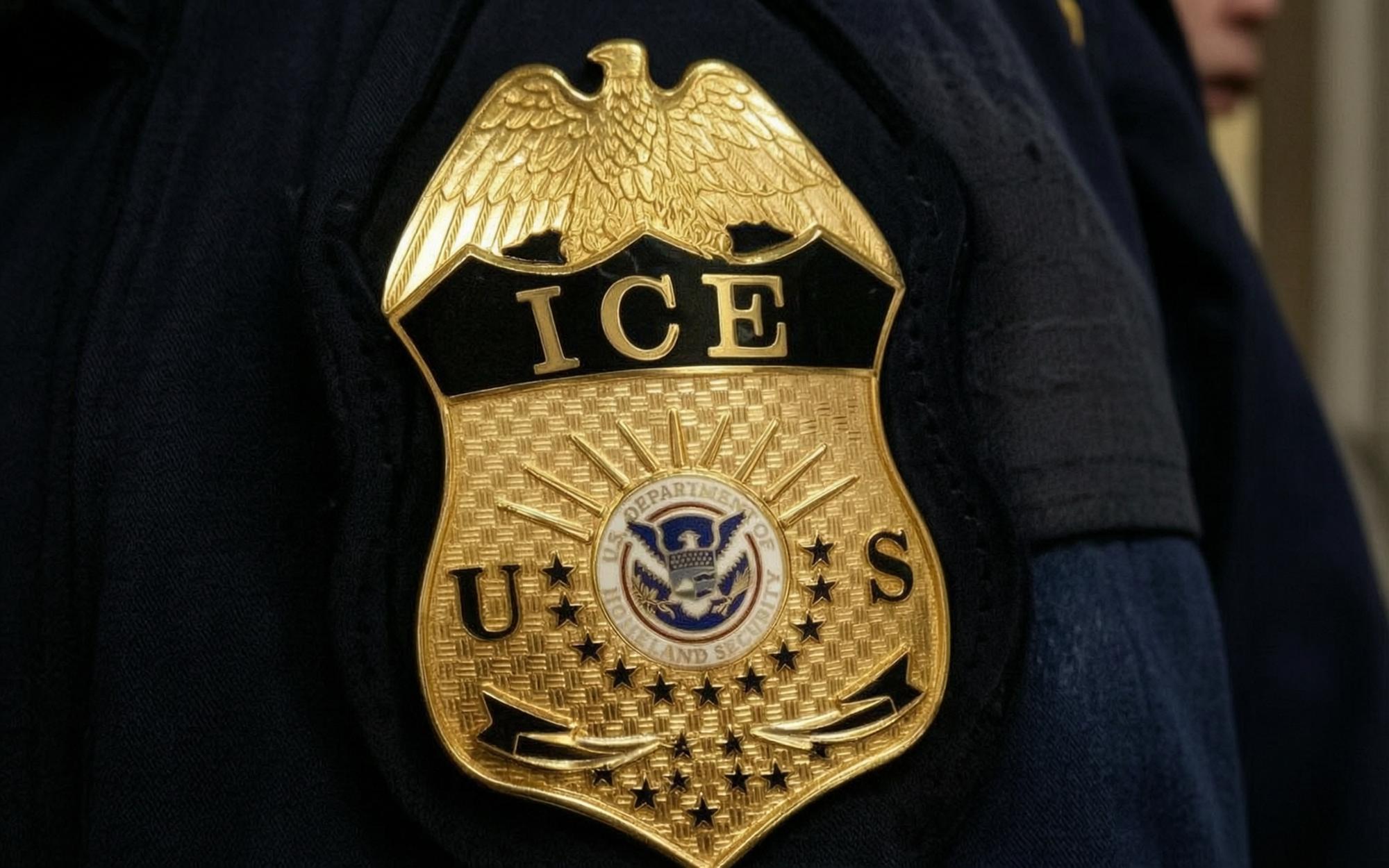
The federal government, meanwhile, maintains that local officials do not have authority to prevent ICE from conducting lawful federal operations on private property.
The disagreement also raises questions about how far a sanctuary city's policies can extend when federal agencies seek to conduct operations within municipal boundaries.
While Boston can establish rules governing its own employees and resources, DHS maintains that federal immigration authorities remain entitled to carry out federal responsibilities.
The parking dispute comes as immigration enforcement remains one of the most contentious issues between the Trump administration and Democratic-led cities.
Boston's sanctuary policies have made the city a frequent target of criticism from federal officials who argue that local restrictions interfere with federal enforcement.
Wu's administration has made clear that it intends to oppose what it views as an expansion of ICE activity in Boston. DHS has made an equally clear argument that the city cannot prevent federal authorities from using private property for lawful purposes.
The disagreement over 250 potential parking spaces is therefore part of a larger confrontation over immigration enforcement, federal authority, and the limits of local sanctuary policies.
Gold is the oldest answer. SoundMoney makes owning it as easy as the apps you already use.
The opinions expressed by contributors and/or content partners are their own and do not necessarily reflect the views of LifeZette. Contact us for guidelines on submitting your own commentary.
Join the Discussion
COMMENTS POLICY: We have no tolerance for messages of violence, racism, vulgarity, obscenity or other such discourteous behavior. Thank you for contributing to a respectful and useful online dialogue.