The U.S. Supreme Court ruled 6–3 on Friday to limit the authority of federal district courts to issue nationwide injunctions, delivering a significant decision in Trump v. CASA, Inc. and marking a major legal victory for President Donald J. Trump, as reported by the Gateway Pundit.
The ruling reinforces the separation of powers by curbing the ability of lower courts to block executive policies across the country.

The case centered around President Trump’s Executive Order No. 14160, titled Protecting the Meaning and Value of American Citizenship, issued earlier this year.
Here's What They're Not Telling You About Your Retirement
MORE NEWS: California Comic Carlos Mencia Shredded by DA Over His Hidden $8.7 Million Fortune [WATCH]
The order faced immediate legal challenges from advocacy groups, with federal district courts attempting to halt its implementation nationwide.
Writing for the majority, Justice Amy Coney Barrett held that such sweeping injunctions are not authorized under the Constitution or federal law. She was joined by Chief Justice John Roberts and Justices Clarence Thomas, Samuel Alito, Neil Gorsuch, and Brett Kavanaugh.

“Universal injunctions lack any historical support in the equitable traditions recognized by the Judiciary Act of 1789,” Barrett wrote. “Their use exceeds the constitutional authority of district courts and invites judicial overreach.”
This Could Be the Most Important Video Gun Owners Watch All Year
The decision narrows the scope of relief federal courts may grant in civil suits challenging federal policy, reaffirming that judicial remedies should be limited to the parties involved unless Congress explicitly states otherwise.
Justices Elena Kagan, Sonia Sotomayor, and Ketanji Brown Jackson dissented. In her majority opinion, Barrett directly addressed Jackson’s dissent and issued pointed criticism of her reasoning.
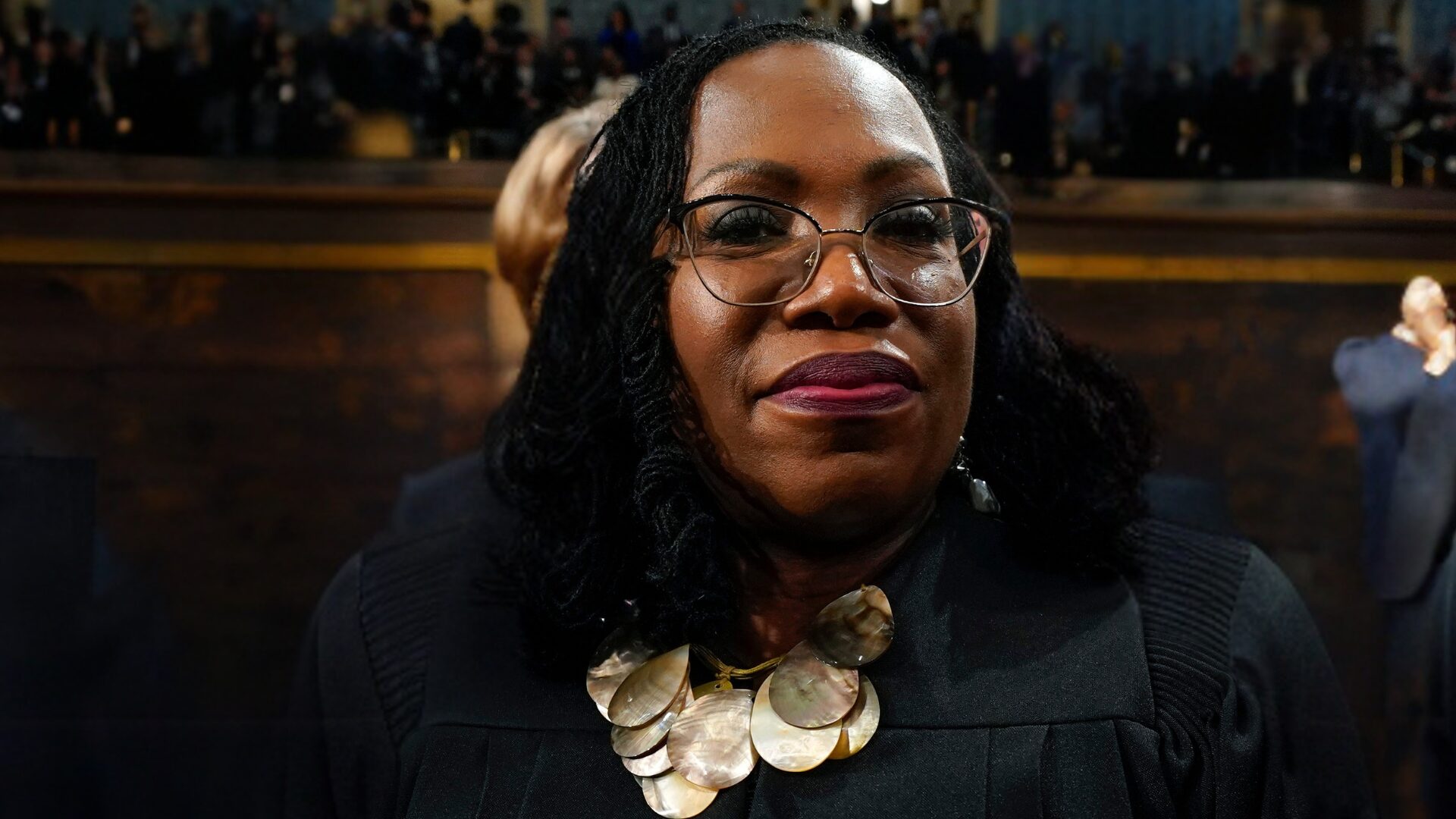
“We will not dwell on Justice Jackson’s argument, which is at odds with more than two centuries’ worth of precedent, not to mention the Constitution itself,” Barrett wrote.
“We observe only this: Justice Jackson decries an imperial executive while embracing an imperial judiciary.”
Barrett continued, stating:
“Justice Jackson skips over that part. Because analyzing the governing statute involves boring legalese.”
Supreme Court’s Birthright Citizenship Ruling on Nationwide Injunctions by Red Voice News
The exchange marked one of the most direct critiques from one Supreme Court Justice to another in a published opinion this term. Legal observers noted the sharp tone and its implications for future internal Court dynamics.
The ruling is expected to have a lasting impact on future challenges to executive orders, limiting the ability of advocacy groups to seek sweeping national blocks through individual courts.
It also reinforces executive discretion in enforcing immigration laws and citizenship regulations.
President Trump’s legal team issued a statement following the decision, calling it “a clear and decisive affirmation of presidential authority under the Constitution.”
The Hidden Facts Behind Your Healthcare Costs | The Rob Maness Show EP 675
The opinions expressed by contributors and/or content partners are their own and do not necessarily reflect the views of LifeZette. Contact us for guidelines on submitting your own commentary.
Join the Discussion
COMMENTS POLICY: We have no tolerance for messages of violence, racism, vulgarity, obscenity or other such discourteous behavior. Thank you for contributing to a respectful and useful online dialogue.